Commercial Gym Flooring Trends in 2026
Commercial gym flooring is evolving quickly as fitness centres, boutique studios, school gyms and high-performance training facilities look for surfaces that are safer, more durable and easier to maintain. In 2026, flooring is no longer just a practical foundation under equipment. It plays a major role in member experience, acoustic comfort, branding and long-term operating costs.
For Melbourne gym owners and facility managers, choosing the right rubber flooring also means thinking about local conditions. Seasonal temperature changes, heavy foot traffic, moisture brought in from wet weather and strict expectations around safety all influence which flooring systems perform best over time. Below, we explore the leading commercial gym flooring trends for 2026 and what they mean for Australian facilities.
1. High-density rubber flooring for multi-use spaces
One of the biggest trends in 2026 is the move towards high-density rubber flooring that can handle a wider range of activities in one space. Many commercial gyms are now combining strength zones, functional training, stretching areas and small group training into open-plan layouts. This puts more pressure on flooring to perform across different uses.
High-density rubber tiles and rolls are increasingly popular because they offer:
- Excellent impact resistance under free weights and resistance equipment
- Reliable slip resistance in busy training zones
- Long-term durability in high-traffic commercial environments
- Improved underfoot comfort for trainers and members
For Melbourne facilities, this trend makes practical sense. A robust rubber flooring system can cope with large daily attendance, regular equipment movement and debris or moisture tracked in during cooler and wetter months.
2. Better acoustic control in busy training environments
Noise management has become a much bigger priority in commercial gym design. In 2026, gym owners are placing more emphasis on flooring that helps reduce sound transfer from dropped weights, cardio equipment and constant foot traffic. This is especially important in mixed-use developments, apartment buildings, schools and recreation centres where neighbouring tenants or spaces may be sensitive to noise.
Acoustic rubber flooring is being specified more often for:
- Weight rooms and free weight areas
- Functional fitness zones
- PT studios in shared commercial buildings
- School and university fitness facilities
Thicker rubber systems, particularly those with shock-absorbing underlayers, can help reduce both impact noise and vibration. While every site is different, investing in sound-conscious flooring can improve user comfort and help minimise complaints in urban Melbourne locations.
3. Sustainable materials and low-maintenance finishes
Sustainability is shaping flooring decisions across the commercial sector, and gyms are no exception. In 2026, more facility operators are asking about rubber flooring made from recycled materials and products designed for long service life. This reflects a broader shift towards environmentally responsible fit-outs without compromising performance.
Rubber flooring remains a strong option because it is durable, repairable in many applications and relatively easy to maintain. Facility managers are also prioritising finishes that resist wear and simplify cleaning.
Practical sustainability considerations include:
- Choosing flooring with recycled rubber content where suitable
- Selecting modular tile systems that allow localised replacement
- Using surfaces that require minimal harsh chemical cleaning
- Planning layouts that reduce premature wear in high-impact areas
For commercial operators, the benefit is not just environmental. Low-maintenance flooring can reduce labour demands and help keep facilities looking presentable with less downtime.
4. Zoned flooring layouts for performance and safety
Rather than installing the same flooring throughout an entire gym, many designers in 2026 are using zoned flooring strategies. This approach matches flooring thickness, density and finish to the activity performed in each area.
For example:
- Heavy lifting zones may use thicker rubber tiles for enhanced impact absorption
- Cardio areas may prioritise stability and ease of cleaning
- Functional training spaces may use slip-resistant rubber with good grip under lateral movement
- Reception or circulation zones may feature a more refined finish that supports branding
This trend delivers better performance and can be more cost-effective than over-specifying flooring in every part of the facility. It also helps improve safety by making sure each activity area has an appropriate surface.
Where gyms include children’s activity spaces or adjacent recreation areas, it is also important to consider applicable Australian safety requirements. For playground and play environments, AS 4422 remains a key standard for impact attenuation and surfacing performance. While AS 4422 does not generally apply to standard adult gym floors, facility managers should be aware of it when designing broader recreation or family-friendly spaces.
5. Stronger visual design and brand integration
Commercial gym flooring in 2026 is becoming more visually intentional. Flooring is being used to define workout zones, reinforce brand identity and create a more premium member experience. Flecked rubber, custom colour selections and integrated wayfinding are all increasingly common.
In competitive Melbourne fitness markets, aesthetics matter. A well-designed floor can:
- Create a more professional first impression
- Help members navigate the space more easily
- Support brand colours and interior design themes
- Make social-media-friendly spaces more appealing
That said, good design should not come at the expense of performance. The most successful flooring selections balance style with slip resistance, durability and ease of maintenance.
6. Moisture-aware flooring choices for Melbourne conditions
Melbourne’s weather can be unpredictable, and commercial gyms often deal with wet shoes, humidity fluctuations and frequent cleaning. In 2026, there is a stronger focus on flooring systems that can better handle moisture exposure and day-to-day cleaning demands.
Rubber flooring is well suited to these conditions when correctly specified and installed. Key considerations include:
- Professional subfloor preparation to avoid moisture-related issues
- Proper adhesives or installation systems for the environment
- Slip-resistant finishes in entry points and high-sweat areas
- Regular cleaning routines to prevent grime build-up
For any commercial fit-out, local site conditions should always be assessed before selecting a flooring system. What works in a boutique studio may differ from what is needed in a large 24-hour gym.
Practical tips for choosing gym flooring in 2026
If you are planning a new gym, upgrade or refurbishment, keep these practical tips in mind:
- Assess each training zone separately rather than using a one-size-fits-all flooring solution
- Plan for acoustic performance if your facility is in a shared building or dense urban location
- Think long term and compare lifecycle value, not just upfront cost
- Choose commercial-grade products designed for heavy traffic and equipment loads
- Work with experienced installers to ensure proper subfloor preparation and fit-out quality
- Consider member experience, including comfort, appearance and ease of movement
Looking ahead
The key commercial gym flooring trends in 2026 reflect a wider shift towards smarter, more specialised and more sustainable fitness spaces. Rubber flooring continues to lead the market because it offers the durability, safety and flexibility that modern gyms need.
For Melbourne businesses, the best flooring choice will depend on your layout, training style, budget and site conditions. By focusing on performance, acoustic control, maintenance and visual appeal, commercial operators can create gym spaces that look better, function better and last longer.
If you are reviewing flooring options for a commercial gym, now is the ideal time to consider how 2026 trends can improve both daily operations and long-term value.
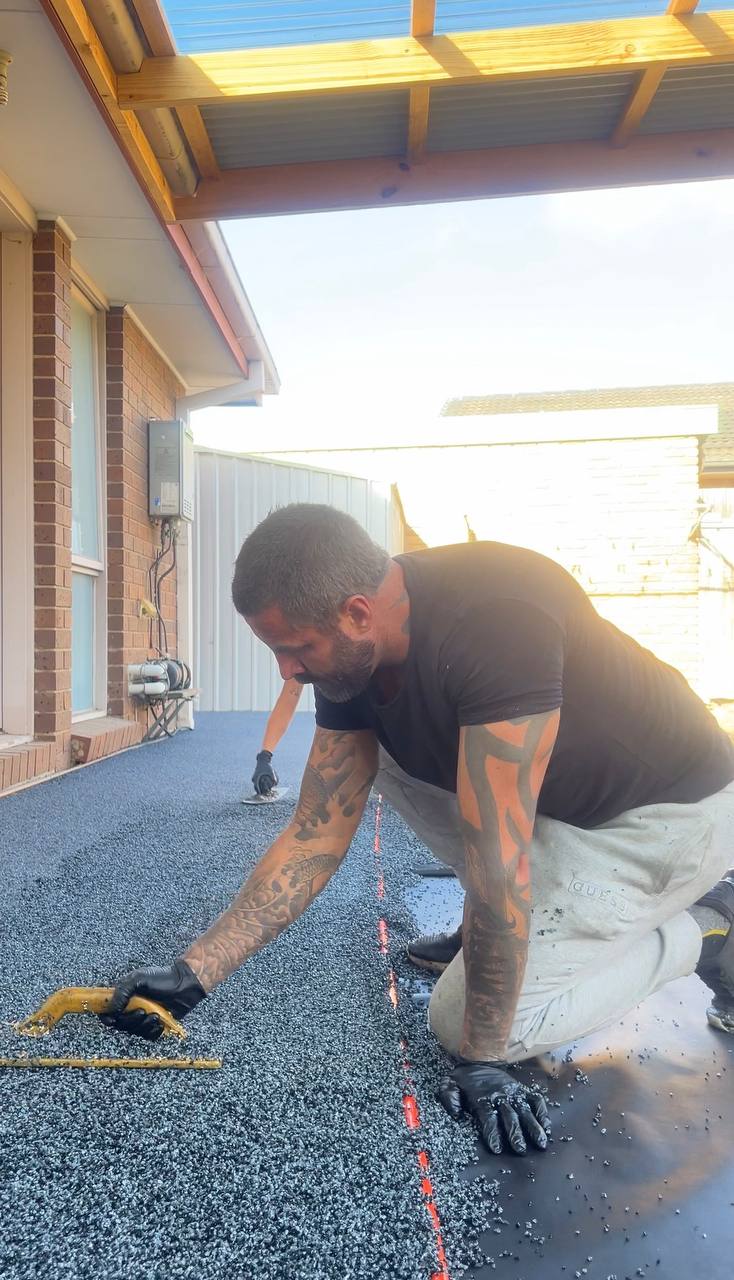
Written by Mitchell, Founder of Rubber Floor Solutions
Mitchell has 10+ years hands-on experience installing wetpour rubber flooring across Victoria. AS 4422 compliant installations for playgrounds, gyms, pools and equine facilities. Based in Melbourne, servicing all of Victoria.