When it comes to pool decks and wet areas, safety is paramount. Slippery surfaces around pools are a leading cause of accidents in Australian homes and commercial facilities. Non-slip rubber surfacing offers an excellent solution, combining superior grip with comfort and durability. Here's everything you need to know about choosing the right rubber surfacing for your pool deck.
Why Rubber Surfacing is Ideal for Wet Areas
Rubber flooring has become increasingly popular for pool surrounds and wet areas across Melbourne and throughout Australia. Unlike traditional concrete or tiles, rubber provides a cushioned, slip-resistant surface that remains safe even when saturated with water. The material's natural properties make it perfect for environments where moisture is constant.
Additionally, rubber surfacing is gentle on bare feet, reduces the risk of injury from falls, and can withstand Melbourne's variable weather conditions—from scorching summer heat to winter frost.
Key Features to Look For
1. Slip Resistance Rating
The most critical factor when selecting rubber surfacing for wet areas is the slip resistance rating. Look for products that meet Australian standards with a minimum P4 or P5 rating (AS/NZS 4586). This classification system measures how slip-resistant a surface is when wet. For pool decks, aim for the highest rating possible to ensure maximum safety.
2. Drainage Capabilities
Proper drainage is essential to prevent water pooling, which can create hazards and promote mould growth. Choose rubber surfacing with:
- Perforated or porous designs that allow water to drain through
- Textured surfaces that channel water away
- Adequate thickness to accommodate drainage systems underneath
3. UV Resistance
Melbourne's UV index can reach extreme levels during summer months. Select rubber surfacing specifically formulated with UV stabilisers to prevent fading, cracking, and deterioration. Quality UV-resistant rubber will maintain its colour and structural integrity for years, even under harsh Australian sun exposure.
4. Chlorine and Chemical Resistance
Pool chemicals, particularly chlorine, can degrade inferior rubber products. Ensure your chosen surfacing is specifically rated for pool environments and can withstand regular exposure to chlorinated water, pool cleaners, and other chemicals without breaking down or discolouring.
Types of Non-Slip Rubber Surfacing
Rubber Tiles
Interlocking rubber tiles are a popular choice for pool decks. They're easy to install, can be replaced individually if damaged, and come in various thicknesses and textures. Look for tiles with drainage holes and bevelled edges to prevent tripping hazards.
Poured-in-Place Rubber
For a seamless, customised finish, poured-in-place rubber surfacing offers excellent slip resistance and can be tailored to any pool shape. This option provides superior drainage and creates a smooth, attractive surface without seams or joints where water can accumulate.
Rubber Mats
Ideal for smaller areas or temporary solutions, rubber mats provide immediate slip protection. Choose mats with drainage holes and textured surfaces designed specifically for wet environments.
Thickness and Comfort Considerations
For pool decks, a thickness of 10-20mm typically provides the right balance between comfort, safety, and durability. Thicker options offer more cushioning—particularly beneficial for children and elderly users—but ensure the thickness doesn't create tripping hazards at transitions.
Colour and Aesthetic Choices
While safety is the priority, aesthetics matter too. Lighter colours help keep the surface cooler underfoot during hot Melbourne summers, though they may show stains more readily. Darker colours absorb more heat but can hide discolouration from pool chemicals. Consider earth tones or blues that complement your pool and outdoor area whilst providing practical benefits.
Maintenance Requirements
Quality non-slip rubber surfacing should be low-maintenance. Look for products that can be easily cleaned with water and mild detergent. Avoid surfaces with deep grooves that trap debris and are difficult to clean. Regular hosing and occasional scrubbing should be sufficient to maintain appearance and hygiene.
Professional Installation vs. DIY
While some rubber surfacing products are DIY-friendly, professional installation ensures proper substrate preparation, drainage integration, and adherence to safety standards. For permanent pool deck installations, professional fitting is recommended to guarantee longevity and performance.
Making Your Final Decision
Choosing the right non-slip rubber surfacing for your pool deck requires balancing safety, durability, aesthetics, and budget. Prioritise slip resistance and drainage, ensure the product is suitable for Australian conditions, and don't compromise on quality for areas where safety is critical.
By selecting appropriate rubber surfacing, you'll create a safer, more comfortable pool environment that your family can enjoy for years to come, regardless of Melbourne's unpredictable weather.
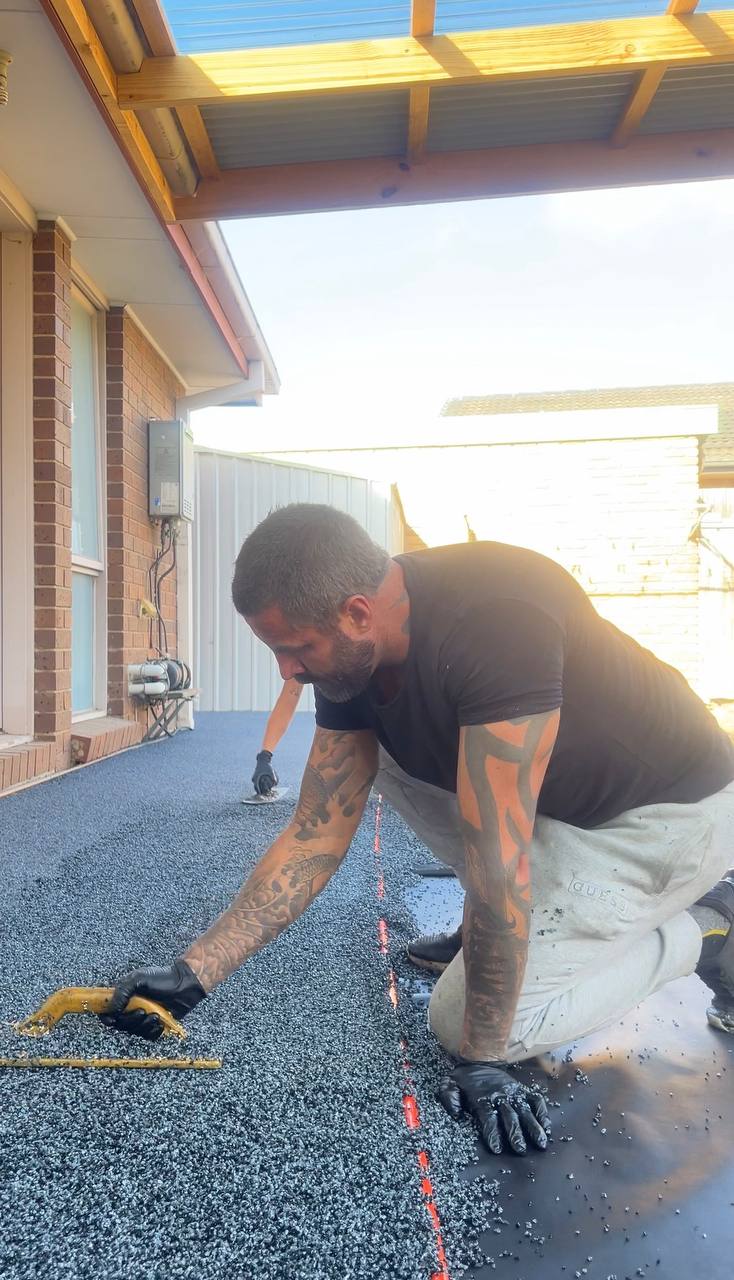
Written by Mitchell, Founder of Rubber Floor Solutions
Mitchell has 10+ years hands-on experience installing wetpour rubber flooring across Victoria. Installations for playgrounds, gyms, pools and equine facilities, with playground depth matched to fall height. Based in Melbourne, servicing all of Victoria.