Selecting the right flooring for high-traffic commercial spaces is a critical decision that impacts safety, maintenance costs, and longevity. Rubber flooring has become increasingly popular in Melbourne's bustling commercial environments, from shopping centres to fitness facilities, thanks to its exceptional durability and performance characteristics.
Understanding High-Traffic Requirements
High-traffic commercial spaces demand flooring that can withstand constant foot traffic, heavy equipment, and daily wear without compromising safety or aesthetics. In Melbourne's diverse commercial landscape, this includes retail stores, gyms, warehouses, healthcare facilities, and educational institutions.
The key is choosing rubber flooring that balances durability, safety, and maintenance efficiency whilst meeting Australian standards and building codes.
Critical Factors to Consider
1. Thickness and Density
For high-traffic areas, thickness matters significantly. Commercial rubber flooring should typically be between 6mm and 12mm thick, with denser options providing superior durability. Thicker flooring absorbs impact better, reduces fatigue for staff who stand for extended periods, and withstands heavy equipment movement.
Higher density rubber (above 950 kg/m³) offers enhanced resistance to indentation and wear, making it ideal for areas with trolleys, wheelchairs, or heavy machinery.
2. Wear Layer and Surface Finish
The wear layer is your first line of defence against daily abuse. Look for rubber flooring with a robust wear layer of at least 0.7mm for commercial applications. Surface finishes vary from smooth to textured, and your choice should reflect your specific needs:
- Smooth finishes: Easier to clean, ideal for healthcare and food service areas
- Textured or studded surfaces: Superior slip resistance for wet areas and gyms
- Coin or diamond patterns: Balance between traction and cleanability
3. Slip Resistance Ratings
Safety is paramount in commercial environments. In Australia, slip resistance is measured using the pendulum test, with results classified as P-ratings. For high-traffic commercial spaces, aim for:
- P4 rating (35-54) for general commercial areas
- P5 rating (>54) for wet areas, entries, and outdoor applications
Melbourne's rainy climate makes slip resistance particularly crucial, especially near entrances where moisture is tracked indoors.
4. Installation Method
The installation approach affects both performance and cost:
- Interlocking tiles: Quick installation, easy replacement of damaged sections, ideal for gyms and temporary spaces
- Glue-down sheets: Seamless appearance, maximum stability, best for permanent installations
- Loose-lay options: Minimal installation time, suitable for certain applications
For high-traffic areas, glue-down installation typically provides the most durable and stable solution, preventing edge curling and movement under heavy use.
Material Composition Matters
Not all rubber flooring is created equal. Understanding the material composition helps you make an informed choice:
Recycled rubber: Cost-effective and environmentally friendly, suitable for warehouses and industrial spaces. May have slight odour initially but offers excellent durability.
Virgin rubber: Premium option with consistent colour, minimal odour, and superior performance. Ideal for customer-facing areas like retail stores and reception areas.
Vulcanised rubber: Heat-treated for enhanced durability and resistance to chemicals, oils, and extreme temperatures.
Maintenance and Lifecycle Costs
While initial investment is important, consider the total cost of ownership. Quality rubber flooring requires minimal maintenance—regular sweeping and occasional mopping with pH-neutral cleaners suffice. This translates to lower labour costs and longer replacement cycles compared to alternative flooring options.
Premium rubber flooring can last 15-20 years in high-traffic commercial environments when properly maintained, making it a cost-effective long-term investment.
Making Your Final Decision
When selecting rubber flooring for your Melbourne commercial space, request samples to assess thickness, texture, and appearance in your actual environment. Consider lighting conditions, existing décor, and specific usage patterns.
Work with experienced suppliers who understand Australian standards and Melbourne's unique climate challenges. They can provide tailored recommendations based on your foot traffic levels, budget constraints, and aesthetic preferences.
The right rubber flooring choice will deliver years of reliable performance, enhance workplace safety, and project a professional image whilst minimising maintenance headaches and replacement costs.
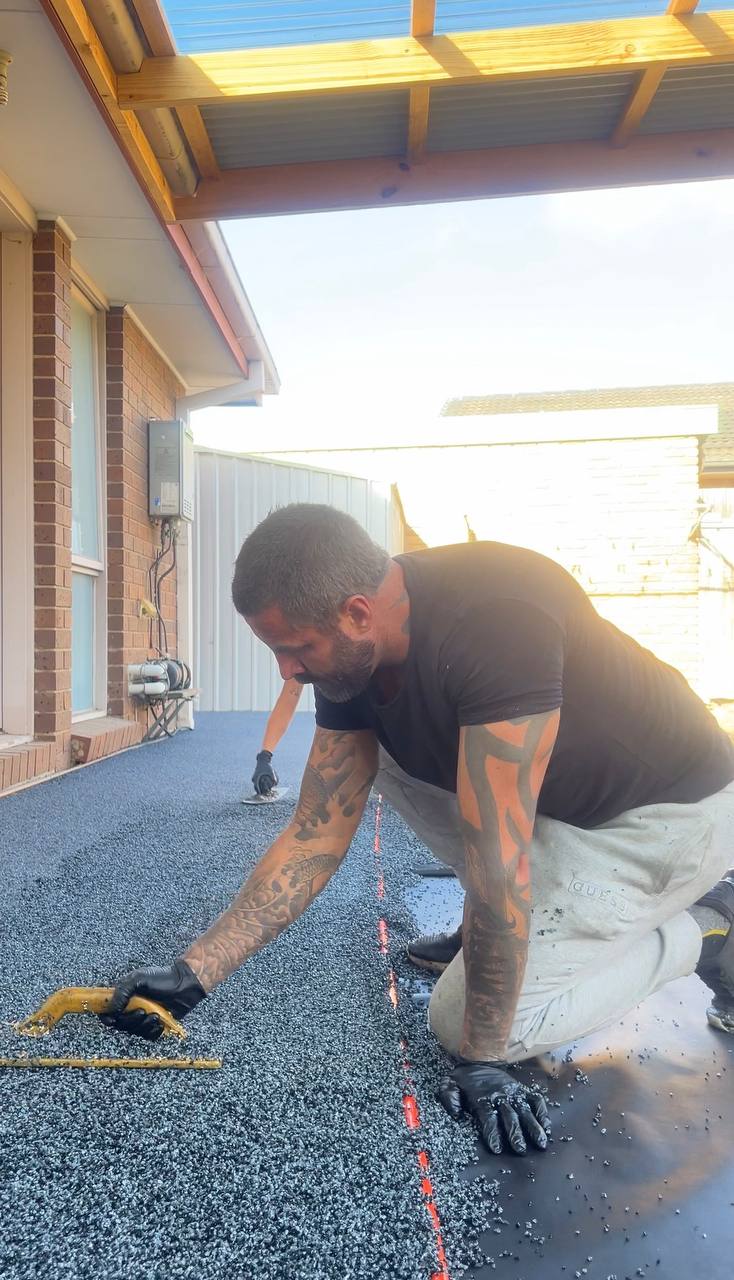
Written by Mitchell, Founder of Rubber Floor Solutions
Mitchell has 10+ years hands-on experience installing wetpour rubber flooring across Victoria. Installations for playgrounds, gyms, pools and equine facilities, with playground depth matched to fall height. Based in Melbourne, servicing all of Victoria.