Non-Slip Rubber Flooring for Pool Decks: Complete Guide
A safe, durable and attractive pool deck is essential in Melbourne where sun, rain and seasonal temperature swings combine to challenge outdoor surfaces. Non-slip rubber flooring is an increasingly popular choice for residential and commercial pools because it offers excellent traction, cushion underfoot and long-term resistance to chlorine and UV. This guide covers what you need to know — from Australian standards to installation and maintenance tips.
Why choose rubber for pool decks?
- Slip resistance: Rubber surfaces provide superior grip when wet, reducing slip-and-fall risk.
- Comfort and safety: Softer than concrete or tiles, rubber reduces impact from falls and is kinder on bare feet.
- Durability: Modern EPDM and recycled rubber products stand up to pool chemicals, sunlight and heavy foot traffic.
- Low heat build-up: Many rubber systems stay cooler than concrete in direct sun — a bonus in Melbourne summers.
- Design flexibility: Available as pavers, tiles, interlocking mats or poured-in-place surfaces in a range of colours and textures.
Relevant Australian standards
When selecting non-slip flooring for pool decks in Australia, check compliance with key standards:
- AS 4586 — Slip resistance classification of new pedestrian surface materials. Ensures materials meet slip-resistance targets for wet conditions.
- AS 3740 — Waterproofing of domestic wet areas, useful where rubber abuts wet zones and interfaces with tiled surrounds.
- Building Code of Australia (BCA) requirements may also apply for public pools; check local council regulations for commercial installations.
Types of rubber pool deck products
- Interlocking rubber pavers: Durable, easy to replace, good drainage through joints.
- Rubber tiles: Quick to install, consistent slip characteristics, suitable for DIY in some cases.
- Poured-in-place (EPDM) surfacing: Seamless, fully customisable finish with excellent slip resistance and water run-off.
- Roll goods: Cost-effective for uniform coverage but requires careful edge sealing.
Installation considerations for Melbourne conditions
- Substrate preparation: Ensure a clean, level, well-draining concrete or asphalt base. Any cracks or movement should be repaired before laying rubber.
- Drainage and fall: Provide adequate fall (recommended minimum 1% or 1:100) away from the pool to prevent ponding. Melbourne’s heavy autumn/winter rains make drainage critical.
- UV and temperature: Choose UV-stable products. While Melbourne summers can be hot, some suburban areas also see cooler mornings — choose materials rated for thermal expansion and contraction.
- Chemical resistance: Ensure the rubber product is resistant to chlorine and pool maintenance chemicals to avoid premature deterioration.
- Edge details: Seal transitions to tiles, coping and lawn areas to prevent water ingress and tripping hazards.
Maintenance and longevity
Rubber pool decks are relatively low maintenance but benefit from routine care:
- Regular cleaning: Sweep leaves and debris, hose down salt and chlorine residues. Periodic pressure washing (low pressure) keeps textures clear of algae.
- Avoid harsh chemicals: Use neutral pH cleaners recommended by the manufacturer; avoid solvents that can degrade rubber binders.
- Inspect and repair: Check joints and seams seasonally. Replace damaged tiles or pavers promptly to maintain safety and appearance.
- Reconditioning: Some poured systems benefit from an annual rinse and occasional top dressing to restore grip in high-traffic areas.
Cost and lifespan
Costs vary by product: interlocking pavers and tiles are mid-range, while poured-in-place systems cost more upfront but deliver a seamless finish. Expect a well-installed rubber pool deck to last 7–15 years depending on UV exposure, chemical load and maintenance. Choosing reclaimed rubber can reduce cost and environmental impact, but verify performance and warranty.
Practical tips — getting the best result
- Specify slip resistance: ask for AS 4586 wet-pendulum or ramp test results for the product.
- Match texture to use: finer textures for barefoot areas, coarser textures near ladders and steps.
- Plan drainage and landscaping together to avoid pooling and unwanted water flow onto lawns or structures.
- Hire an experienced installer: correct substrate prep and detailing make the difference between a short-lived job and a long-lasting deck.
Conclusion
Non-slip rubber flooring is an excellent choice for Melbourne pool decks, offering safety, comfort and weather resilience when selected and installed correctly. Prioritise products tested to Australian standards, plan for drainage and UV exposure, and maintain the surface with regular cleaning and inspections. For tailored advice and installation quotes in Melbourne, contact Rubber Floor Solutions — we can recommend compliant products and manage installation from substrate preparation to finishing touches.
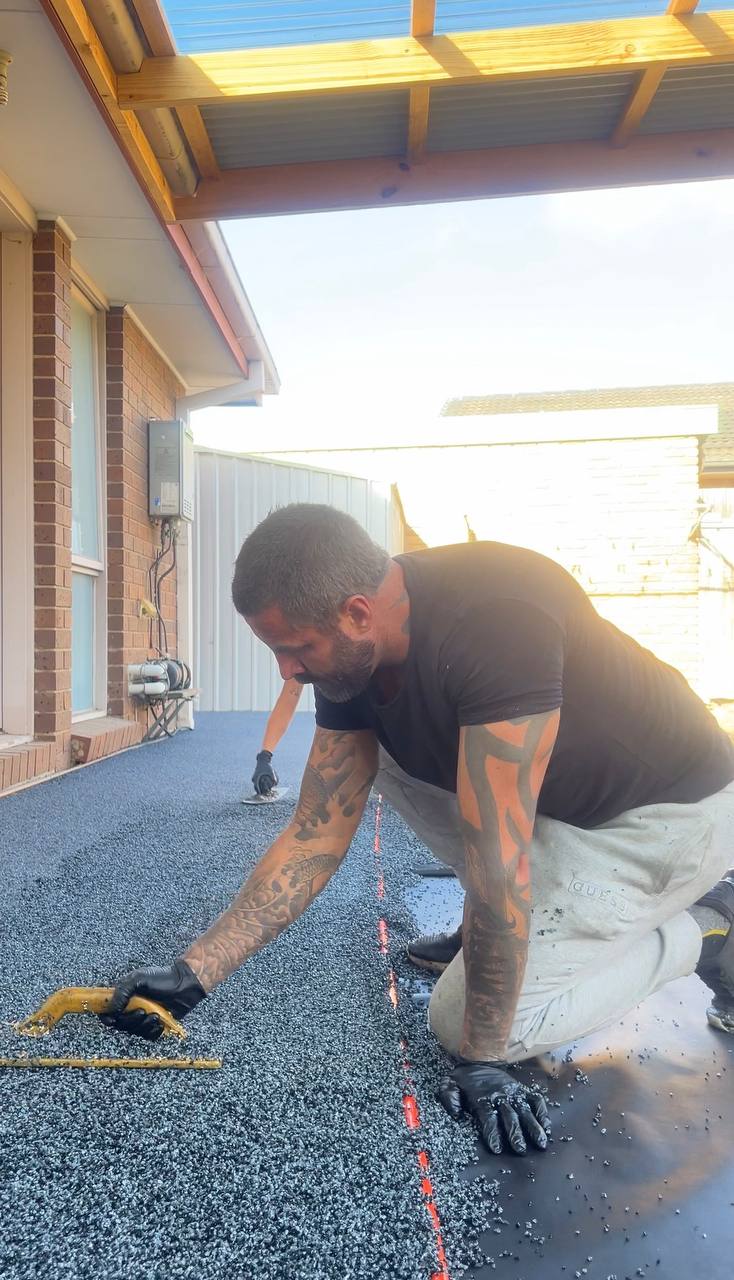
Written by Mitchell, Founder of Rubber Floor Solutions
Mitchell has 10+ years hands-on experience installing wetpour rubber flooring across Victoria. AS 4422 compliant installations for playgrounds, gyms, pools and equine facilities. Based in Melbourne, servicing all of Victoria.