Rubber Flooring vs Tiles: Which Is More Cost-Effective for Pool Areas?
When planning a pool surround, most property owners compare two popular options: rubber flooring and tiles. At first glance, tiles can seem like the obvious choice because they are familiar, widely available and often advertised at a low per-square-metre rate. However, the true cost of a pool area floor goes well beyond the initial purchase price.
In Melbourne, pool surrounds need to handle UV exposure, heavy rain, changing temperatures, chlorine, wet foot traffic and ongoing maintenance. That means the best-value surface is not always the cheapest to buy upfront. In many cases, rubber flooring delivers stronger long-term value because it offers comfort, slip resistance and lower repair demands.
Below, we break down the real cost comparison between rubber flooring and tiles for residential pools, apartment complexes, schools, hotels and aquatic centres.
1. Upfront Material and Installation Costs
Tiles
Standard outdoor or pool-grade tiles may have a lower advertised material cost, but installation is rarely simple. A tiled pool area usually requires:
- Surface preparation and levelling
- Adhesives and grout suitable for wet areas
- Waterproofing in some applications
- Skilled labour for laying and cutting
- Extra care around drains, curves and coping edges
While basic tile prices can look attractive, labour can quickly increase the overall budget, especially for larger or more detailed pool surrounds.
Rubber Flooring
Rubber flooring is typically priced higher per square metre than entry-level tiles, but installation can be more efficient depending on the system used. Rubber wet-area surfaces are available in tiles, rolls and pour-in-place systems, allowing more flexibility for pool decks and irregular layouts. Because rubber is often installed as a more forgiving surface, it can also help reduce the need for frequent replacements caused by cracking or chipping.
Cost tip: If you are comparing quotes, always ask for the installed price, not just the material rate. That gives you a more realistic view of the total project cost.
2. Maintenance Costs Over Time
Tiles
Tiles can perform well around pools, but they usually come with ongoing maintenance expenses. Common issues include:
- Grout discolouration and mould growth
- Slippery residues from sunscreen, pool chemicals and algae
- Cracked tiles caused by movement or impact
- Loose tiles that require re-adhesion
In Melbourne's variable climate, moisture and cooler conditions can encourage grime build-up, meaning tiled areas often need frequent cleaning to stay safe and presentable.
Rubber Flooring
Rubber flooring is generally easier to maintain. A quality rubber pool surface is designed to be water-resistant, easy to hose down and more forgiving underfoot. There is no grout to scrub, and the surface is less likely to chip when pool furniture or equipment is moved around.
Although routine cleaning is still essential, the maintenance burden is often lower, which can save time and money over the life of the installation.
3. Safety Costs: Slips, Falls and Injury Risk
Safety is one of the biggest hidden costs in any pool area. A surface that becomes slippery when wet can increase the risk of falls, which may lead to injury, liability and future resurfacing work.
Rubber flooring is widely chosen for wet recreational spaces because it offers better grip, cushioning and comfort under bare feet. This can be especially important for children, older adults and high-traffic public settings.
Tiles vary significantly in slip resistance. Some tiles are suitable for wet areas, while others become hazardous when splashed or coated in pool chemicals. It is important to check the relevant slip-resistance classification before specifying a tiled surface.
Important note on standards: AS 4422 applies to playground impact attenuation, so it is relevant for play spaces rather than pool surrounds. For pool areas, slip resistance is the more appropriate compliance focus, and products should be assessed against applicable wet-area testing such as AS 4586 and AS 4663. If your pool area connects to a playground or splash play zone, both safety considerations may need to be reviewed.
4. Durability in Melbourne Conditions
Melbourne weather is famously unpredictable. Pool surrounds can experience strong sun, cool nights, rain, wind and seasonal temperature swings. These conditions matter when comparing lifecycle costs.
Tiles in Melbourne
Tiles can last well when correctly selected and installed, but they may be vulnerable to:
- Cracking from substrate movement
- Fading or surface wear over time
- Grout deterioration in constantly wet environments
- Hot surface temperatures in direct sun
Rubber Flooring in Melbourne
Rubber flooring is valued for its resilience and comfort. Quality rubber surfaces can better absorb movement and remain more comfortable underfoot during hot days. They also provide a softer landing surface, which is a practical advantage around pools where slips are more likely.
For many Melbourne property owners, this translates into fewer repairs and a more user-friendly pool environment year-round.
5. Whole-of-Life Cost Comparison
If you only compare material prices, tiles may appear cheaper. But when you factor in installation complexity, cleaning, repairs, safety and user comfort, rubber flooring often performs better on a whole-of-life basis.
- Tiles may suit you if: you want a traditional look, have a straightforward layout and are prepared for higher maintenance.
- Rubber flooring may suit you if: you want better slip resistance, lower maintenance, improved comfort and long-term value.
For commercial and community pool areas, the cost of even a single slip incident or repeated tile repairs can quickly outweigh any upfront savings.
Practical Tips Before You Choose
- Ask for a full installed quote, including preparation, labour and finishing details.
- Check the product's slip-resistance suitability for wet barefoot areas.
- Consider maintenance time and cleaning costs, not just purchase price.
- Think about surface temperature and comfort in summer.
- Choose a supplier familiar with Melbourne conditions and Australian compliance requirements.
Final Verdict
For many pool areas, rubber flooring offers the better long-term investment. While tiles can sometimes come in lower upfront, rubber often wins on safety, comfort, maintenance and lifecycle cost. That makes it a strong option for Melbourne homes, schools, body corporate properties and aquatic facilities looking for a practical, durable and locally suitable solution.
If you are comparing surfaces for a new pool or a refurbishment, the smartest approach is to look beyond the sticker price. A floor that performs better in wet conditions and requires less upkeep can deliver much better value over time.
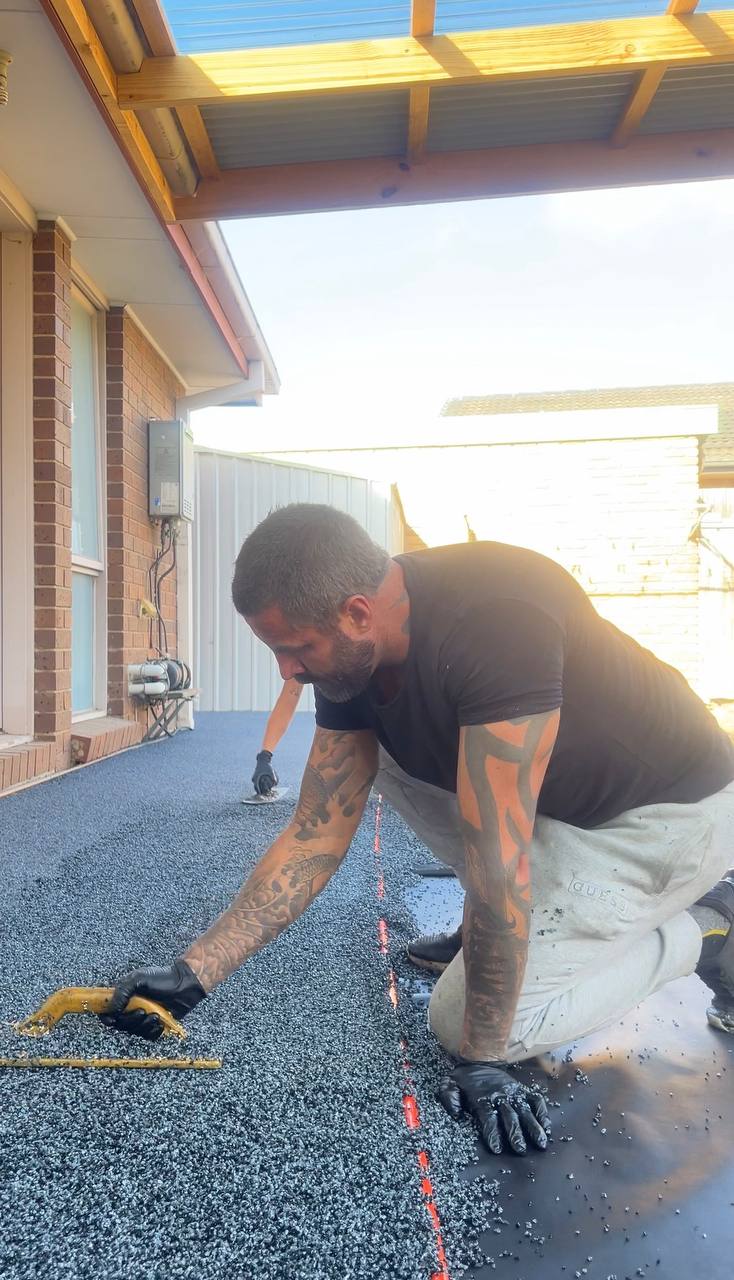
Written by Mitchell, Founder of Rubber Floor Solutions
Mitchell has 10+ years hands-on experience installing wetpour rubber flooring across Victoria. Installations for playgrounds, gyms, pools and equine facilities, with playground depth matched to fall height. Based in Melbourne, servicing all of Victoria.