Setting up a gym in Melbourne requires careful consideration of your flooring choices. Whether you're outfitting a commercial fitness centre or a home gym, understanding the distinct demands of weightlifting versus cardio zones is crucial for safety, performance, and longevity.
Why Different Zones Need Different Flooring
Weightlifting and cardio activities place vastly different stresses on gym flooring. Dropped barbells create intense impact forces, while treadmills generate continuous vibration and friction. Selecting inappropriate flooring can lead to premature wear, safety hazards, and costly replacements.
Rubber Flooring for Weightlifting Zones
Thickness Matters Most
For weightlifting areas, thickness is your primary concern. Olympic lifting platforms and heavy dumbbell zones require rubber flooring between 15mm and 25mm thick. This substantial thickness absorbs the shock of dropped weights, protecting both your subfloor and the equipment itself.
In Melbourne's varied climate, where temperature fluctuations can affect material performance, thicker rubber maintains its shock-absorption properties more consistently throughout the year.
Density and Durability
Look for high-density rubber flooring with a minimum density of 950 kg/m³. This ensures the material won't compress permanently under heavy loads. Recycled rubber tiles or rolls work excellently for weightlifting zones, offering:
- Superior impact resistance for dropped weights
- Excellent noise reduction (crucial for multi-level buildings)
- Natural grip that prevents equipment slippage
- Resistance to damage from metal plates and bars
Surface Texture Considerations
A slightly textured or raised pattern surface provides optimal grip for lifters' feet whilst remaining easy to clean. Avoid overly smooth surfaces that become slippery when wet from sweat or Melbourne's humid summer conditions.
Rubber Flooring for Cardio Zones
Thinner, Firmer Options
Cardio areas function best with rubber flooring between 6mm and 12mm thick. This thinner profile provides sufficient cushioning for joints during running and aerobics whilst maintaining the stability needed for equipment like treadmills, ellipticals, and stationary bikes.
Vibration Dampening
Treadmills and other cardio machines generate constant vibration. Quality rubber flooring reduces this vibration transmission, which is particularly important in commercial gyms or home setups in apartment buildings. Look for products specifically rated for vibration dampening.
Moisture and Hygiene
Cardio zones typically experience more sweat and moisture than weightlifting areas. Select rubber flooring with:
- Non-porous surfaces that resist bacteria and odour
- Easy-to-clean finishes for regular sanitisation
- Antimicrobial treatments (optional but beneficial)
- Sealed edges to prevent moisture penetration
Installation Considerations for Melbourne Gyms
Climate Adaptation
Melbourne's temperature variations mean your rubber flooring will expand and contract. Always leave appropriate expansion gaps (typically 10-15mm) around the perimeter. For installations during winter, account for summer expansion.
Subfloor Preparation
Ensure your concrete subfloor is level, dry, and clean before installation. Melbourne's older buildings may have moisture issues—conduct a moisture test before laying rubber flooring to prevent adhesive failure or mould growth.
Hybrid Zones and Multipurpose Spaces
Many gyms feature multipurpose areas used for both activities. For these spaces, opt for a middle-ground solution: 12-15mm rubber flooring offers reasonable protection for moderate weightlifting whilst providing adequate cushioning for cardio exercises.
Making Your Final Decision
When choosing rubber gym flooring for your Melbourne facility, consider:
- Primary use: What percentage of activity is weightlifting versus cardio?
- Budget: Thicker flooring costs more but lasts longer in heavy-use areas
- Installation method: Interlocking tiles offer flexibility; rolled rubber provides seamless coverage
- Maintenance requirements: Commercial gyms need easily cleanable surfaces
- Acoustic needs: Upper-floor locations require superior sound dampening
By matching your rubber flooring specifications to your specific training zones, you'll create a safer, more durable, and better-performing gym environment that withstands Melbourne's demanding conditions for years to come.
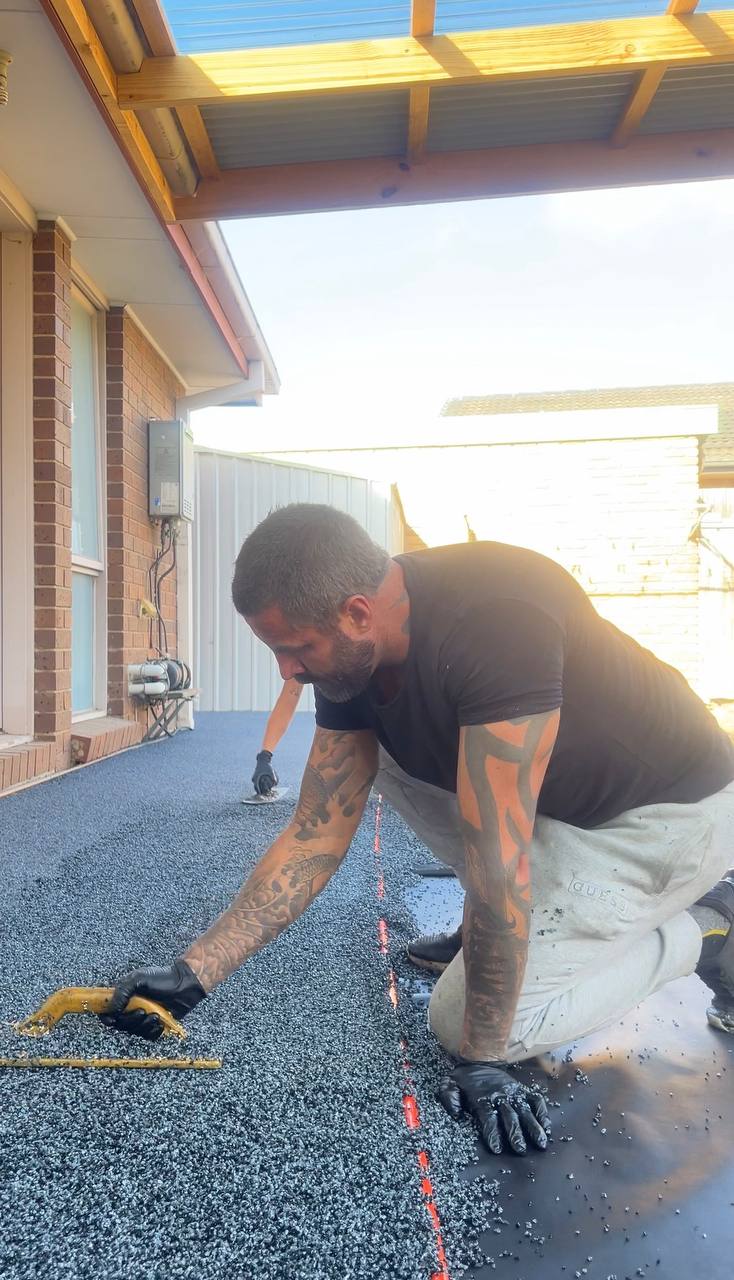
Written by Mitchell, Founder of Rubber Floor Solutions
Mitchell has 10+ years hands-on experience installing wetpour rubber flooring across Victoria. Installations for playgrounds, gyms, pools and equine facilities, with playground depth matched to fall height. Based in Melbourne, servicing all of Victoria.