Why playground safety standards matter
Playgrounds should be fun, stimulating and safe for children of all ages. In Australia, playground safety standards help schools, councils, childcare centres and community organisations create spaces that reduce the risk of serious injury while still encouraging active play. Understanding these standards is especially important when choosing playground surfacing, as the surface plays a major role in protecting children from falls.
For property owners and managers in Melbourne, it is also important to consider local conditions. Wet winters, hot summer days, UV exposure and ongoing wear from busy community spaces can all affect the performance of playground flooring. Choosing compliant, durable and low-maintenance surfacing is a practical step towards improving safety and long-term value.
The key Australian standard: AS 4422
One of the most important standards for playground owners to understand is AS 4422, which relates to playground surfacing and its ability to provide impact attenuation. In simple terms, this standard helps determine whether a surface can absorb enough impact to reduce the likelihood of serious head injury if a child falls.
AS 4422 is commonly used alongside broader playground design and equipment standards, but when it comes to flooring, it is the benchmark that directly addresses the safety performance of the surface itself. It assesses whether a surface is suitable for the critical fall height of the equipment installed above it.
What is critical fall height?
Critical fall height refers to the maximum height from which a child can fall onto a surface and still have an acceptable level of protection from serious head injury, based on testing. Different playground surfaces have different ratings, and the flooring selected must be suitable for the equipment being installed.
For example, a soft-fall rubber system may be designed and tested to support a particular fall height. If taller climbing equipment is installed, the surfacing specification may need to be adjusted to meet the higher impact requirement.
Why compliant surfacing is so important
Not all playground surfaces perform the same way. Materials that look soft or resilient may not necessarily meet Australian safety requirements. Compliant playground surfacing should be properly tested and installed to suit the site, equipment and intended use.
Rubber soft-fall surfacing is a popular option because it can be engineered to meet specific fall height requirements while also offering excellent durability, slip resistance and ease of maintenance. It is particularly well suited to schools, parks, early learning centres and public playgrounds where safety, accessibility and appearance all matter.
Benefits of rubber playground surfacing
- Impact absorption: Designed to help reduce injury risk from falls.
- Consistent coverage: Provides an even surface without loose material displacement.
- Accessibility: Easier for prams, wheelchairs and mobility aids compared with loose-fill options.
- Low maintenance: Does not require frequent topping up like bark or mulch.
- Custom design: Available in colours and patterns to suit schools, councils and branded spaces.
How Melbourne conditions affect playground surfacing
Melbourne weather can be unpredictable, with sudden rain, cooler winters and strong UV exposure across the year. These conditions can influence how playground flooring performs over time. A surface that works well in one environment may not deliver the same durability or slip resistance in another.
When planning a playground in Melbourne, it is wise to consider:
- Drainage: Proper sub-base preparation and drainage help prevent water pooling and premature wear.
- Slip resistance: Wet weather can create hazards, so surface texture and finish are important.
- UV stability: Quality rubber materials should resist fading and degradation under Australian sun.
- Temperature: Some surfaces can become uncomfortably hot in summer, so material choice and colour selection matter.
A professionally installed rubber surface designed for local conditions can provide more reliable year-round performance and support ongoing compliance.
Installation and testing considerations
Meeting Australian playground safety standards is not only about choosing the right product. Installation quality is equally important. Even a tested product may fail to perform as intended if it is installed incorrectly, laid at the wrong thickness or placed over an unsuitable base.
Before installing playground flooring, it is important to review:
- The type and height of playground equipment
- The required critical fall height rating
- Site conditions, including slope and drainage
- Accessibility needs
- Ongoing maintenance requirements
It is also recommended to work with experienced suppliers and installers who understand Australian compliance requirements and can provide documentation for testing and product performance.
Ask for documentation
When comparing playground surfacing options, always ask for evidence that the product has been tested to the relevant standard. This may include laboratory test results, product specifications and installation guidance. Documentation helps demonstrate that the surface is appropriate for the intended use and supports due diligence for schools, councils and facility managers.
Practical tips for playground owners and managers
If you are responsible for a playground upgrade or new installation, the following steps can help improve safety and compliance:
- Review your equipment heights: Make sure the surfacing matches the fall height requirements of each play element.
- Inspect existing surfaces: Look for cracks, wear, drainage issues or hardening that may reduce impact protection.
- Plan for maintenance: Regular inspections help identify issues before they become safety risks.
- Choose qualified installers: Proper installation is essential for performance and longevity.
- Think long term: Consider lifecycle cost, not just upfront price, when selecting surfacing.
Creating safer playgrounds with confidence
Understanding Australian playground safety standards is an important part of creating safer, more reliable play spaces. AS 4422 provides clear guidance on the impact performance required for playground surfacing, helping owners and managers select materials that are suitable for the equipment and environment.
For Melbourne schools, councils and community spaces, rubber playground surfacing offers a practical solution that balances compliance, durability and visual appeal. With the right design, testing and installation, it can help create playgrounds that are safer for children and easier to maintain over time.
If you are planning a new playground or upgrading an existing one, working with a knowledgeable rubber flooring specialist can make the process much simpler. The right advice early on can help you meet Australian standards, suit Melbourne conditions and create a play space that performs well for years to come.
References & Standards
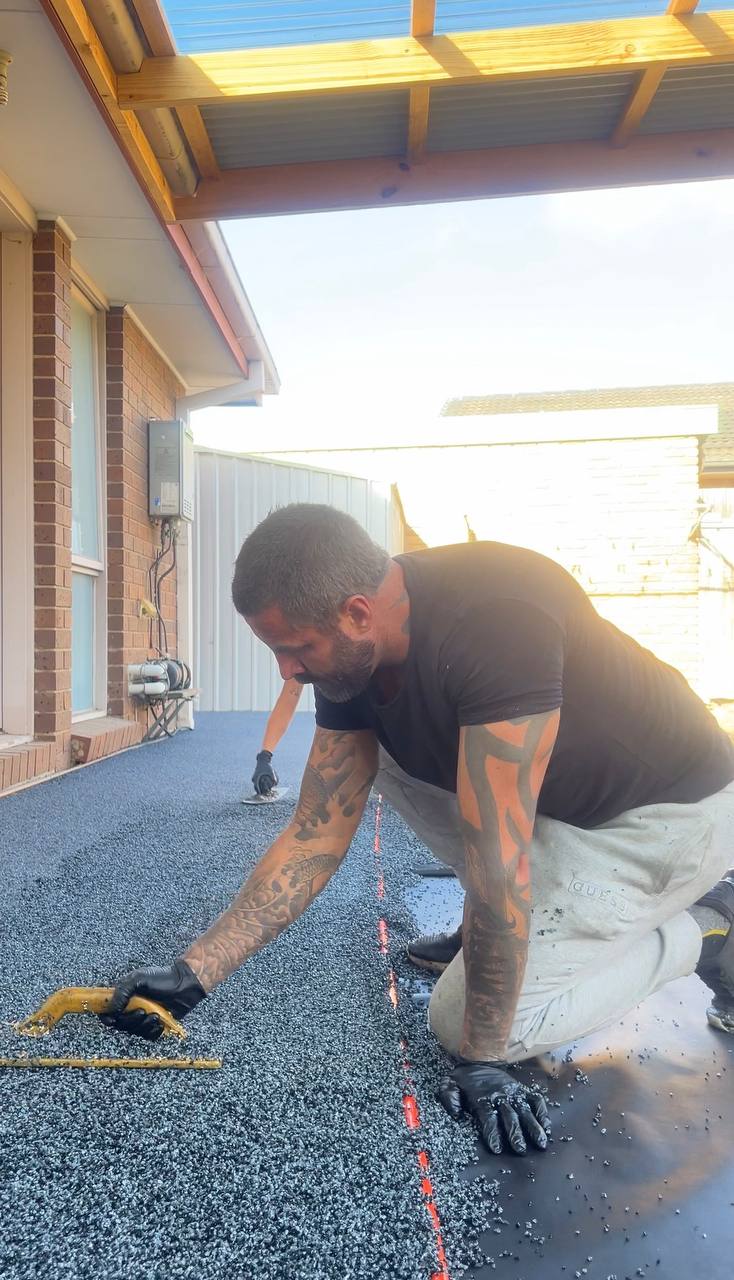
Written by Mitchell, Founder of Rubber Floor Solutions
Mitchell has 10+ years hands-on experience installing wetpour rubber flooring across Victoria. Installations for playgrounds, gyms, pools and equine facilities, with playground depth matched to fall height. Based in Melbourne, servicing all of Victoria.