5 Signs Your Playground Rubber Surfacing Needs Replacement
Playground rubber surfacing is a vital feature for ensuring the safety of children, especially in Melbourne where fluctuating weather can take its toll on outdoor materials. Over time, even the highest quality rubber surfacing will show signs of wear and tear. Knowing when it's time to replace it is crucial to meet Australian safety standards like AS 4422, which governs impact-attenuating surfacing for playgrounds. Below, we outline five clear signs that it's time to replace your rubber surfacing.
1. Visible Cracks and Tears
One of the most obvious signs that your rubber surfacing needs attention is the appearance of cracks, tears, or splits. These imperfections not only look unsightly but can also pose tripping hazards. Melbourne's changing weather—hot summers and rainy winters—can cause the material to expand and contract, accelerating damage. If you notice cracks that are deep or widespread, it’s time to consider a replacement.
2. Fading Colours
Rubber playground surfaces are often brightly coloured to appeal to children. However, prolonged exposure to UV rays can cause the colours to fade over time. While some fading is natural, excessive discolouration may indicate that the material has degraded, which can affect its overall performance and safety. Opting for UV-resistant materials during replacement can help extend the lifespan of your surfacing.
3. Reduced Impact Absorption
One of the key functions of rubber playground surfacing is to cushion falls and reduce the risk of injuries. Over time, the material may lose its elasticity and impact-absorbing properties. This is particularly concerning in high-traffic areas around slides, swings, and climbing equipment. Regular drop testing in accordance with AS 4422 can help you assess whether your surface still meets safety standards.
4. Water Pooling or Poor Drainage
Proper drainage is essential for playground surfacing, especially in Melbourne, where sudden rains are common. If you notice water pooling in certain areas, it could indicate that the surface has become uneven or the drainage system is no longer effective. Standing water not only shortens the lifespan of the surfacing but can also create slippery and unsafe conditions for children.
5. Unpleasant Odours or Mould Growth
Rubber surfacing can sometimes develop unpleasant smells or harbour mould and mildew, especially if water is allowed to collect. This is a clear sign of material degradation and poses both safety and hygiene concerns. Regular cleaning can help, but if the issue persists, replacement might be the best option.
When to Act
Addressing these issues promptly ensures your playground remains safe and attractive for children. If you’re unsure whether it's time for a replacement, consulting a professional can help you evaluate the condition of your surfacing. At Rubber Floor Solutions, we specialise in installing and maintaining playground rubber surfacing tailored to Melbourne’s unique conditions.
Final Thoughts
Rubber playground surfacing plays a vital role in ensuring the safety and enjoyment of children. By keeping an eye out for these five signs, you can determine when it’s time for a replacement and maintain compliance with Australian safety standards. Need expert advice or a quote? Contact Rubber Floor Solutions today for a free consultation!
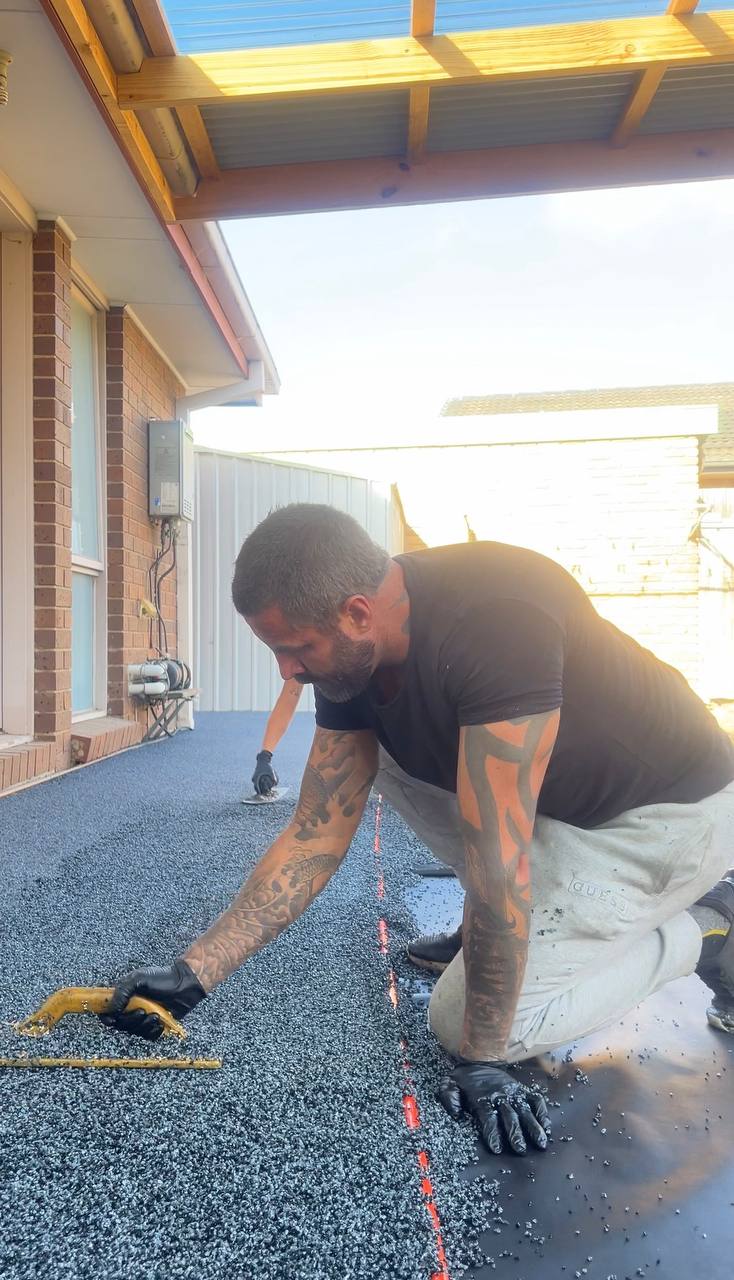
Written by Mitchell, Founder of Rubber Floor Solutions
Mitchell has 10+ years hands-on experience installing wetpour rubber flooring across Victoria. AS 4422 compliant installations for playgrounds, gyms, pools and equine facilities. Based in Melbourne, servicing all of Victoria.