When it comes to playground safety, the depth of your rubber surfacing isn't just a detail—it's a critical factor that can prevent serious injuries. But with varying recommendations and standards, how do you know what's really necessary for your Melbourne playground?
Understanding AS 4422: Australia's Playground Safety Standard
In Australia, playground surfacing must comply with AS 4422 (Playground Surfacing—Specifications, Requirements and Test Method). This standard determines the minimum depth of impact-absorbing materials based on the critical fall height of your playground equipment.
The critical fall height is the maximum height from which a child could fall onto the surface. Different equipment has different fall heights, and your rubber surfacing depth must accommodate the highest point.
Recommended Rubber Surfacing Depths by Fall Height
Here's a practical breakdown of minimum rubber surfacing depths required for various fall heights:
- Fall height up to 1.5 metres: Minimum 50mm rubber thickness
- Fall height 1.5-2.0 metres: Minimum 75mm rubber thickness
- Fall height 2.0-2.5 metres: Minimum 100mm rubber thickness
- Fall height 2.5-3.0 metres: Minimum 125mm rubber thickness
- Fall height above 3.0 metres: Minimum 150mm+ rubber thickness
These are minimum recommendations—many safety-conscious facilities opt for greater depths to provide an extra margin of protection.
Types of Rubber Surfacing and Depth Considerations
Wet Pour Rubber Surfacing
Wet pour rubber is applied in layers, typically consisting of a shock-absorbing base layer (SBR rubber) and a colourful EPDM top layer. The base layer provides the critical fall protection, while the 10-15mm top layer offers UV resistance and aesthetics. For a 100mm total depth, you'd typically have 85-90mm of SBR base and 10-15mm EPDM top coat.
Rubber Tiles and Pavers
Interlocking rubber tiles come in standard thicknesses (typically 20mm, 30mm, 40mm, or 50mm). For higher fall heights, you may need to install multiple layers or choose thicker commercial-grade tiles specifically designed for playground use.
Rubber Mulch or Loose Fill
Loose rubber mulch requires greater depth than bonded surfaces—typically 200-300mm for adequate protection. However, this depth can decrease over time due to displacement and compaction, requiring regular maintenance.
Melbourne-Specific Considerations
Melbourne's variable weather conditions affect rubber surfacing performance:
- UV exposure: Our intense summer sun can degrade rubber over time, potentially reducing shock absorption. Consider adding 10-20mm extra depth as a safety buffer.
- Temperature fluctuations: Rubber expands and contracts with Melbourne's temperature swings. Proper installation with expansion joints prevents surface lifting that could reduce effective depth.
- Heavy rainfall: Ensure your rubber surfacing has adequate drainage. Wet pour systems should include a porous base layer to prevent water pooling, which can affect fall protection.
Common Mistakes to Avoid
1. Measuring fall height incorrectly: Always measure from the highest accessible point, not the platform height. A 2-metre platform with overhead equipment might have a 2.5-metre critical fall height.
2. Skimping on borders: Impact areas should extend at least 1.8 metres beyond equipment in all directions. Don't reduce depth at the edges—children often fall outward.
3. Ignoring substrate preparation: The base under your rubber surfacing must be stable and level. An uneven concrete or compacted aggregate base can create low spots that reduce effective cushioning depth.
4. Choosing aesthetics over safety: While colourful designs are appealing, never compromise on depth to save costs. Safety must always come first.
Professional Assessment is Essential
While these guidelines provide a starting point, every playground is unique. A professional assessment should consider:
- Specific equipment configurations and fall heights
- Expected usage levels (high-traffic areas may need extra depth)
- Site-specific drainage requirements
- Local council regulations (some Melbourne councils have additional requirements)
- Budget constraints balanced with safety needs
Maintenance and Longevity
Even properly installed rubber surfacing requires monitoring. Conduct annual inspections to check for:
- Compression or thinning in high-use areas
- Surface damage or wear
- Proper drainage function
- Compliance with current fall height requirements
Quality rubber surfacing installed at the correct depth should provide 10-15 years of safe service in Melbourne conditions when properly maintained.
The Bottom Line
There's no one-size-fits-all answer to rubber playground surfacing depth. The right thickness depends on your equipment's fall height, the type of rubber surfacing, and site-specific factors. However, AS 4422 compliance is non-negotiable, and erring on the side of greater depth is always the safer choice.
For Melbourne playgrounds, we recommend consulting with certified installers who understand both Australian standards and local conditions. The investment in proper depth now prevents injuries and liability issues down the track—making it the smartest decision for any playground project.
References & Standards
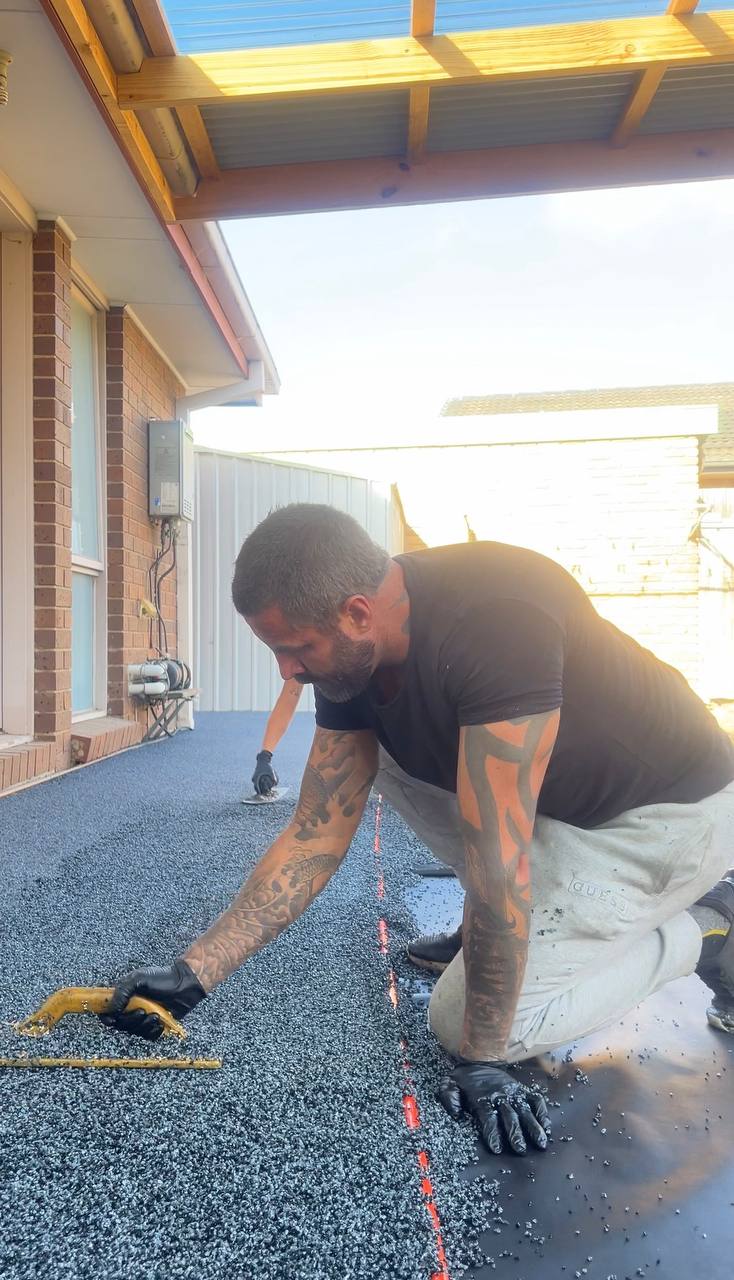
Written by Mitchell, Founder of Rubber Floor Solutions
Mitchell has 10+ years hands-on experience installing wetpour rubber flooring across Victoria. Installations for playgrounds, gyms, pools and equine facilities, with playground depth matched to fall height. Based in Melbourne, servicing all of Victoria.