Inclusive playgrounds are designed so children of all ages and abilities can play, explore and interact together. For schools, councils, childcare centres and community spaces across Melbourne, the right surface plays a major role in making that happen. Rubber surfacing is one of the most effective ways to improve accessibility, comfort and safety while supporting long-term durability in local conditions.
When inclusive design is approached thoughtfully, playgrounds become more welcoming for children using wheelchairs or mobility aids, children with sensory sensitivities, carers with prams, and older family members supervising play. A well-specified rubber surface can help remove common barriers and support a better overall user experience.
Why inclusive playground design matters
An inclusive playground is about more than meeting minimum safety requirements. It creates a space where children can participate with confidence, move independently and engage socially. Traditional loose-fill materials such as mulch, sand or gravel can shift, create uneven areas and make movement difficult for many users. These surfaces may also require frequent topping up and can become messy after rain or heavy use.
By comparison, poured in place rubber and rubber wet pour systems provide a smooth, stable and continuous surface. This makes it easier for wheelchairs, walking frames and prams to move through the playground. It also helps reduce trip hazards and supports safer access between equipment, seating areas and pathways.
How rubber surfacing supports inclusion
1. Improved accessibility
Rubber surfacing creates a firm, even base that supports easier movement across the play area. This is especially important around accessible carousels, ramps, transfer platforms and ground-level play features. A continuous surface also improves access for parents, grandparents and carers who need to move comfortably through the space.
2. Better fall protection
Safety remains a core part of inclusive design. Rubber playground surfacing can be installed to meet the required critical fall height for specific equipment. In Australia, playground impact attenuation should be assessed in line with AS 4422, which covers surfacing used to reduce injury risk from falls. Choosing a compliant surface is essential for both safety and peace of mind.
3. Sensory-friendly design options
Inclusive playgrounds often include sensory elements for children who respond differently to sound, touch and colour. Rubber surfacing can support this through colour zoning, pathways, patterns and wayfinding features. Different colours can help define quiet zones, active play zones or circulation routes without creating clutter or confusion.
Because rubber is also softer underfoot than concrete or asphalt, it can feel more comfortable and less intimidating for many users.
4. Cleaner, lower-maintenance play spaces
Loose materials can be difficult to manage in high-traffic settings. Rubber surfacing stays in place, reducing migration and helping keep playgrounds tidier. This is particularly useful for schools and public spaces where maintenance teams need a practical, reliable solution.
Meeting Australian standards
When planning an inclusive playground, compliance should never be an afterthought. Playground surfacing should be tested and specified according to AS 4422 to ensure it provides the required impact attenuation for the equipment installed. The surface depth, sub-base preparation and installation quality all influence performance.
It is important to work with an experienced supplier and installer who understands:
- how to match surfacing depth to the playground equipment’s fall height
- how to prepare the base for stability and drainage
- how to maintain consistency across access routes and play zones
- how Melbourne site conditions may affect installation and long-term performance
For councils, schools and commercial projects, asking for documentation on testing and compliance is a smart step before installation begins.
Designing for Melbourne weather conditions
Melbourne’s climate can be tough on outdoor surfaces. From hot summer UV exposure to sudden downpours and cool winter mornings, playground materials need to perform across changing conditions. Quality rubber surfacing is well suited to this environment when properly installed.
Consider drainage
Heavy rain can create pooling if the base is not designed correctly. A professionally installed rubber surface should include appropriate drainage considerations so water can move away efficiently and the area can return to use sooner after wet weather.
Choose UV-stable materials
Strong sunlight can fade lower-quality materials over time. UV-stable rubber systems help maintain colour and appearance, which is especially important in schools, parks and childcare settings where presentation matters.
Plan for temperature changes
Melbourne is known for variable weather, sometimes in a single day. A durable rubber surfacing system should be flexible enough to handle temperature fluctuations without premature cracking or breakdown.
Practical tips for creating a more inclusive playground
- Create continuous pathways: Connect entries, equipment, seating and shade areas with smooth rubber paths so users can move easily throughout the space.
- Use colour with purpose: Apply contrasting colours to highlight routes, define zones and support visual wayfinding.
- Include quiet spaces: Pair active play areas with calmer zones where children can regulate and rest.
- Match surfacing to equipment: Ensure the rubber depth is suitable for the relevant fall heights and use requirements.
- Think beyond the playground equipment: Accessibility should include access to benches, picnic areas, drink fountains and surrounding paths.
- Schedule routine inspections: Check for wear, edge lifting or drainage issues so the surface remains safe and attractive over time.
Choosing the right rubber surfacing solution
Not every playground has the same needs. The best solution will depend on the age group, site layout, budget, level of traffic and required accessibility outcomes. Poured in place rubber is a popular option for inclusive playgrounds because it allows seamless installation, custom colours and project-specific thicknesses for compliance with AS 4422.
In Melbourne, local knowledge also matters. A supplier familiar with council expectations, school requirements and local weather conditions can help you select a surface that performs well year after year.
Final thoughts
Creating an inclusive playground is about giving every child the chance to join in, move freely and feel welcome. Rubber surfacing supports this goal by improving accessibility, enhancing safety and delivering reliable performance in Melbourne conditions. When paired with thoughtful design and proper compliance with AS 4422, it can help transform a standard playground into a truly inclusive community space.
If you are planning a new playground or upgrading an existing one, investing in the right rubber surface is a practical step towards a safer, more accessible and more enjoyable play environment for everyone.
References & Standards
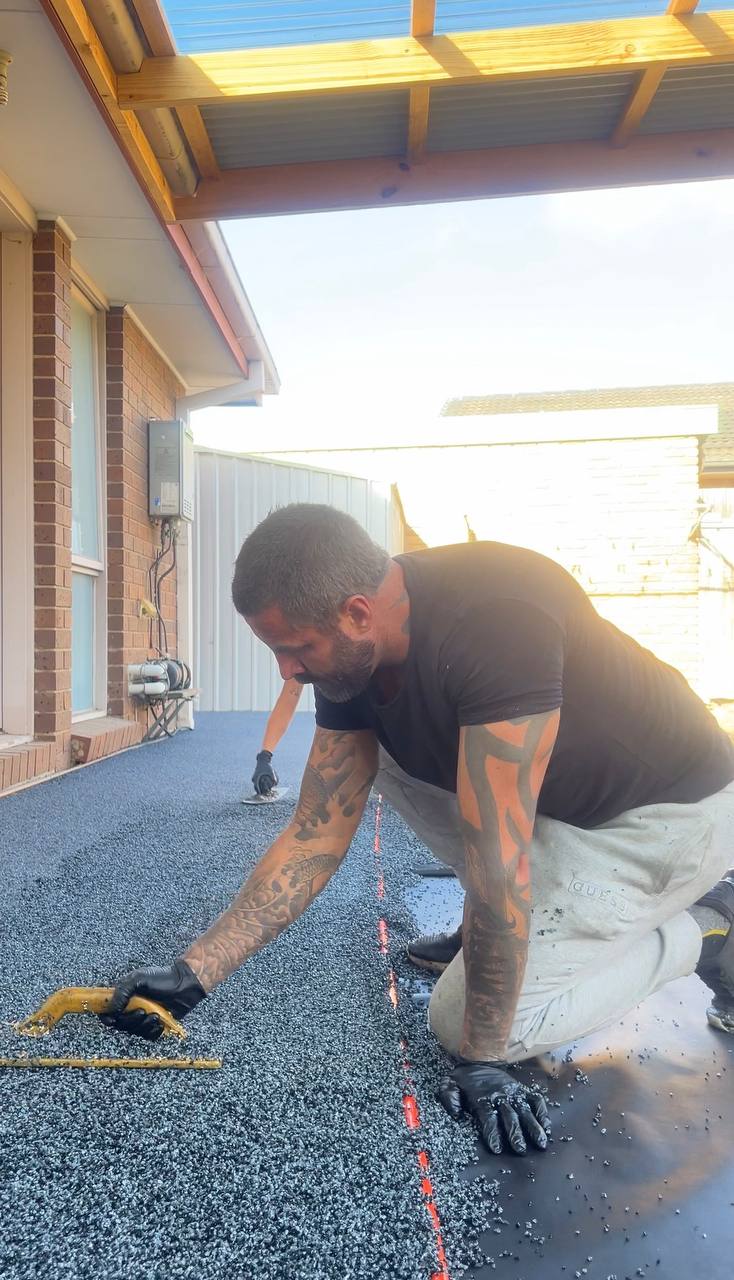
Written by Mitchell, Founder of Rubber Floor Solutions
Mitchell has 10+ years hands-on experience installing wetpour rubber flooring across Victoria. AS 4422 compliant installations for playgrounds, gyms, pools and equine facilities. Based in Melbourne, servicing all of Victoria.