Creating inclusive playgrounds with rubber surfacing
Inclusive playgrounds give children of all abilities the chance to play, learn and socialise. In Melbourne, where weather ranges from hot, UV‑intense summers to wet winters, choosing the right surface is critical. Rubber surfacing is a leading choice for accessibility, impact protection and durability. This guide explains how to design, specify and maintain rubber surfaces that meet AS 4422 and support inclusion.
Why rubber surfacing supports inclusion
- Accessibility — Poured rubber and interlocking tiles can provide a firm, stable and level surface for wheelchairs, walkers and prams, reducing barriers to movement.
- Impact protection — Rubber surfacing can be designed to meet the impact attenuation requirements of AS 4422, protecting children from injuries from falls.
- Customisable sensory cues — Colour contrast, patterns and tactile inserts help children with vision impairment, while varied textures support sensory play.
- Low maintenance — Properly specified rubber resists erosion, compaction and weed growth better than loose-fill surfaces, which helps keep play areas safe and usable year-round.
Complying with AS 4422 and local requirements
AS 4422 sets out requirements for playground surfacing, including impact attenuation and testing methods for different surfacing systems. For an inclusive playground you must:
- Specify surfacing tested to AS 4422 for the critical fall heights in each play area. Consult manufacturers' test reports and independent lab data.
- Ensure a continuous, non-slip finish, especially in transition zones, ramps and entries to play equipment. Slip resistance when wet is important in Melbourne's variable climate.
- Coordinate with accessibility standards such as AS 1428 and local council guidelines to confirm gradients, clear paths and transfer spaces are appropriate.
Design tips for true inclusion
- Use colour contrast to delineate play zones, steps and edges. High contrast helps children with low vision navigate independently.
- Include tactile markers and differing textures to give sensory cues for orientation and play. Place tactile strips at entries and key nodes.
- Create clear access routes that are at least 1.2–1.5 metres wide to allow two users or a carer and mobility device to pass comfortably.
- Plan fall zones carefully around swings, slides and climbing equipment. Use impact-tested rubber surfacing with the correct thickness for the specified critical fall height.
- Integrate inclusive equipment such as transfer platforms, accessible swings and ground-level play panels close to accessible routes.
Melbourne climate: choosing and maintaining resilient surfaces
Melbourne conditions present two main challenges: strong UV and heat in summer, and heavy or prolonged rain in winter. Practical measures include:
- Specify UV‑stabilised pigments and binders to reduce colour fade and surface breakdown during hot months.
- Design effective drainage so water does not pond on surfacing. Slight falls and sealed joints reduce slip risk and bacterial growth.
- Choose certificated materials that retain flexibility over a wide temperature range to avoid cracking in cold or softening in extreme heat.
- Regular housekeeping: clear leaves, grit and organic debris after storms to preserve slip resistance and appearance.
Practical maintenance and inspection schedule
A regular maintenance plan keeps surfacing safe and inclusive.
- Monthly visual checks for surface tears, lifted seams, drainage blockages and colour‑contrasting areas that have worn away.
- Quarterly cleaning with low‑pressure washing and mild detergents to remove grime and moss. Avoid harsh solvents that damage rubber binders.
- Annual professional audit to verify impact attenuation performance for critical fall heights and to carry out patch repairs where needed.
- Immediate repairs to trip hazards, exposed edges or gaps — repair work should be scheduled within days or weeks, depending on severity.
Checklist for project teams
- Confirm AS 4422 test data for specified surfacing system.
- Coordinate surfacing layout with accessible routes and inclusive equipment.
- Specify UV‑stabilised materials and drainage design for Melbourne weather.
- Plan ongoing maintenance, inspections and budget for periodic repairs.
- Engage certified installers experienced in poured rubber or modular tile systems.
Rubber surfacing, when specified and installed correctly, creates safer and more inclusive playgrounds that perform in Melbourne's climate. For tailored advice on compliance with AS 4422, material selection and maintenance plans, get in touch with Rubber Floor Solutions — we can help you deliver accessible, durable and beautiful play spaces.
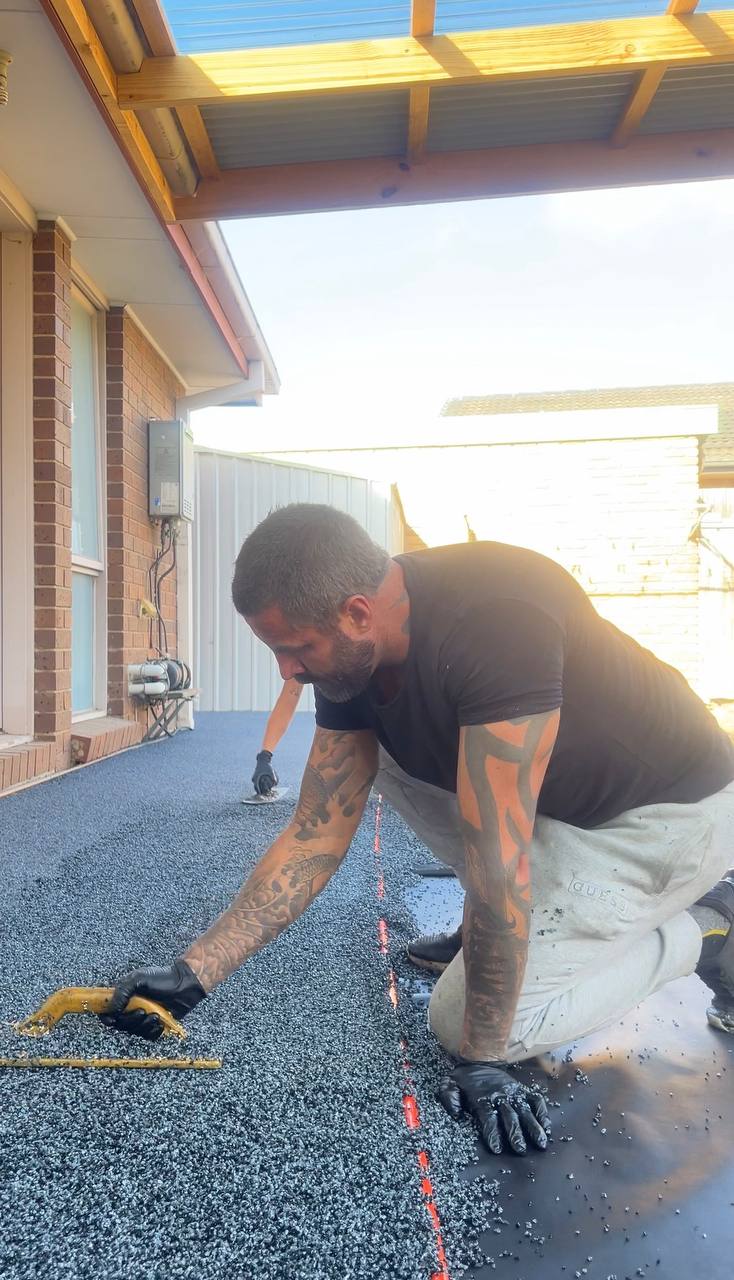
Written by Mitchell, Founder of Rubber Floor Solutions
Mitchell has 10+ years hands-on experience installing wetpour rubber flooring across Victoria. AS 4422 compliant installations for playgrounds, gyms, pools and equine facilities. Based in Melbourne, servicing all of Victoria.