Rubber gym flooring is a popular choice for fitness facilities across Melbourne, offering durability, shock absorption, and comfort. However, maintaining proper hygiene is crucial for both the longevity of your flooring and the health of gym users. This comprehensive guide will walk you through the best practices for cleaning and sanitising your rubber gym floors.
Why Regular Cleaning Matters
Gym environments are breeding grounds for bacteria, sweat, and grime. Without proper maintenance, rubber flooring can harbour germs, develop unpleasant odours, and deteriorate prematurely. Regular cleaning not only protects your investment but also creates a safe, welcoming environment for your members.
Daily Cleaning Routine
1. Remove Loose Debris
Start by sweeping or vacuuming the entire floor surface to remove dust, dirt, and debris. This prevents particles from being ground into the rubber during wet cleaning, which can cause premature wear.
2. Spot Clean High-Traffic Areas
Focus on areas around weight racks, cardio equipment, and entrance points where sweat and dirt accumulate most. Use a damp microfibre mop with a pH-neutral cleaner specifically designed for rubber flooring.
3. Damp Mop the Surface
Mix your cleaning solution according to manufacturer instructions—typically 30-60ml of cleaner per 5 litres of warm water. Mop the entire floor using a well-wrung mop to avoid excess water, which can seep into seams and cause damage.
Deep Cleaning and Sanitising (Weekly)
Step 1: Prepare Your Cleaning Solution
For sanitising, you'll need:
- pH-neutral rubber floor cleaner
- Disinfectant suitable for rubber surfaces (avoid harsh chemicals like bleach)
- Two buckets (one for cleaning solution, one for rinse water)
- Microfibre mops or soft-bristle brushes
- Clean, dry towels or a wet vacuum
Step 2: Apply Cleaning Solution
Work in sections, applying your cleaning solution generously. Allow it to sit for 2-3 minutes to break down oils and grime. For stubborn stains, use a soft-bristle brush in circular motions—never use abrasive scrubbers that can damage the rubber surface.
Step 3: Scrub and Agitate
Using your mop or brush, thoroughly scrub the floor to lift embedded dirt and sweat. Pay special attention to textured surfaces where bacteria can hide.
Step 4: Rinse Thoroughly
Rinse the floor with clean water to remove all cleaning solution residue. Any leftover cleaner can create a slippery surface and attract more dirt.
Step 5: Apply Disinfectant
Once the floor is clean, apply a rubber-safe disinfectant. Follow the product's contact time requirements (usually 5-10 minutes) to ensure effective sanitisation. This step is particularly important during flu season or in Melbourne's humid summer months when bacteria multiply rapidly.
Step 6: Final Rinse and Dry
Rinse away the disinfectant and dry the floor thoroughly using clean towels or a wet vacuum. Proper drying prevents moisture-related issues and reduces slip hazards.
Products to Avoid
Protect your rubber flooring investment by steering clear of:
- Bleach and harsh chemicals: These can break down rubber compounds and cause discolouration
- Oil-based cleaners: They leave residue that attracts dirt and creates slippery surfaces
- Abrasive scrubbers: Steel wool or harsh brushes can scratch and damage the surface
- Steam cleaners: Excessive heat can warp or damage rubber flooring
Maintenance Tips for Melbourne Gyms
Melbourne's variable weather conditions require special consideration:
- During humid summer months, increase ventilation and cleaning frequency to prevent mould growth
- Use entrance mats to minimise dirt and moisture tracked in during rainy periods
- Maintain consistent indoor temperature to prevent rubber expansion and contraction
- Implement a "no outdoor shoes" policy to reduce contamination
Professional Deep Cleaning
Consider scheduling professional deep cleaning services every 6-12 months. Professional cleaners have specialised equipment and expertise to restore your rubber flooring to optimal condition, extending its lifespan significantly.
Conclusion
Maintaining clean, sanitised rubber gym flooring doesn't have to be complicated. By following this step-by-step guide and establishing consistent cleaning routines, you'll ensure a hygienic environment for your gym members while protecting your flooring investment for years to come. Remember, prevention through daily maintenance is always easier and more cost-effective than dealing with neglected floors.
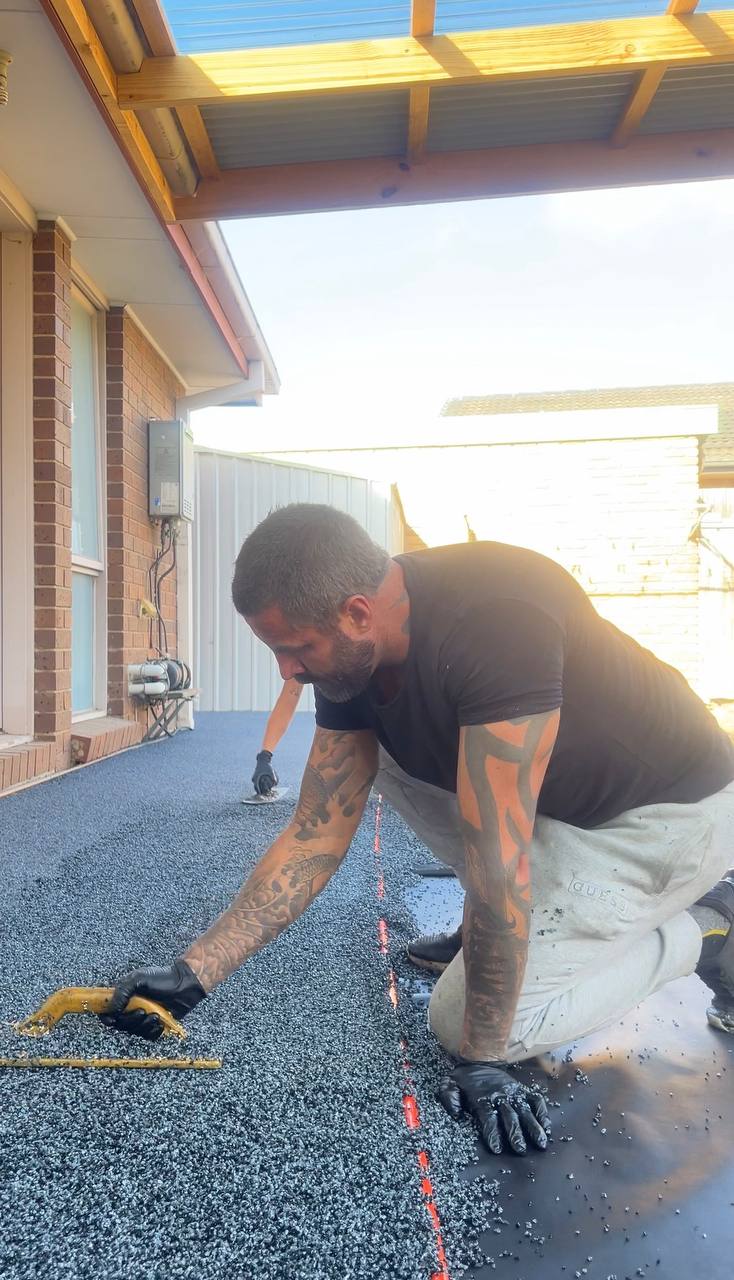
Written by Mitchell, Founder of Rubber Floor Solutions
Mitchell has 10+ years hands-on experience installing wetpour rubber flooring across Victoria. Installations for playgrounds, gyms, pools and equine facilities, with playground depth matched to fall height. Based in Melbourne, servicing all of Victoria.