How to Maintain Your Rubber Flooring for Maximum Longevity
Rubber flooring is one of the most durable and resilient flooring options available, but like any investment in your home or commercial space, it requires proper care to keep it performing at its best. Whether you've installed rubber flooring in your gym, playground, kitchen, or commercial space across Melbourne, following a consistent maintenance routine will ensure your floors look great and last for decades.
Daily Cleaning Habits That Make a Difference
The foundation of long-lasting rubber flooring is a simple daily cleaning routine. Melbourne's unpredictable weather — from dusty summer days to muddy winter footfall — means dirt and debris can accumulate quickly.
- Sweep or dry mop daily: Use a soft-bristle broom or microfibre dry mop to remove loose dirt, dust, and debris before it gets ground into the surface.
- Wipe up spills immediately: Rubber is naturally resistant to moisture, but allowing liquids to pool or seep into seams can cause long-term damage. Blot spills promptly with a clean cloth.
- Use entrance mats: Place heavy-duty mats at all entry points to capture grit and moisture before it reaches your rubber flooring. This is especially important during Melbourne's wet winter months.
Weekly Deep Cleaning for a Fresh Finish
Once a week, give your rubber floors a more thorough clean to remove built-up grime and maintain their appearance.
- Damp mop with a pH-neutral cleaner: Avoid harsh chemicals, bleach, or solvent-based cleaners, as these can degrade the rubber compound over time. A mild, pH-neutral floor cleaner diluted in warm water is ideal.
- Avoid excessive water: While rubber is water-resistant, saturating the floor or allowing water to sit in seams can cause lifting or mould growth beneath the surface. Use a well-wrung mop.
- Rinse thoroughly: After mopping with a cleaning solution, go over the floor with clean water to remove any residue that could leave a dull film.
Protecting Your Rubber Floors from Damage
Prevention is always better than cure, and a few simple protective measures can significantly extend the life of your rubber flooring.
Furniture and Equipment
- Use rubber or felt furniture pads: Heavy furniture and gym equipment can indent or tear rubber flooring over time. Fit protective pads or coasters under legs and bases to distribute weight evenly.
- Avoid dragging heavy items: Always lift and carry heavy objects rather than dragging them across the surface, which can cause surface tears and scuff marks.
Sun and Heat Exposure
Melbourne's summer sun can be intense, and prolonged UV exposure can cause rubber flooring to fade or become brittle over time. If your rubber flooring is installed in a sun-exposed area, consider using UV-protective window film or blinds to reduce direct sunlight. Outdoor rubber flooring, such as that used in playgrounds compliant with AS 4422, is typically UV-stabilised, but regular inspection is still recommended.
Dealing with Stains and Scuff Marks
Despite your best efforts, stains and scuff marks are inevitable — particularly in high-traffic areas. Here's how to tackle them effectively:
- Scuff marks: A small amount of rubbing alcohol on a clean cloth can lift most scuff marks. Test in an inconspicuous area first.
- Oil and grease stains: Apply a small amount of dish soap directly to the stain, let it sit for a few minutes, then scrub gently with a soft brush and rinse clean.
- Stubborn stains: For particularly tough stains, a diluted solution of white vinegar and water can be effective. Avoid abrasive scrubbing pads that can scratch the surface.
Periodic Inspection and Repairs
Even the most well-maintained rubber flooring will eventually show signs of wear. Conducting a periodic inspection — ideally every three to six months — allows you to catch minor issues before they become costly problems.
- Check seams and edges: Look for lifting, separation, or curling at the edges, which can create trip hazards and allow moisture ingress.
- Inspect for cracks or tears: Small surface cracks can often be repaired with a rubber flooring adhesive, but larger damage may require section replacement.
- Assess colour and texture: Significant fading or surface degradation may indicate the flooring is nearing the end of its service life.
When to Call the Professionals
While routine maintenance is well within the capabilities of most property owners, some situations call for professional attention. If you notice widespread lifting, persistent odours, significant cracking, or structural damage, it's time to contact the team at Rubber Floor Solutions. Our Melbourne-based experts can assess the condition of your flooring and recommend the most cost-effective solution — whether that's a professional deep clean, targeted repairs, or a full replacement.
With the right care and attention, quality rubber flooring can serve you reliably for 10 to 20 years or more. A small investment of time in regular maintenance pays enormous dividends in the long run — keeping your space safe, attractive, and performing at its best.
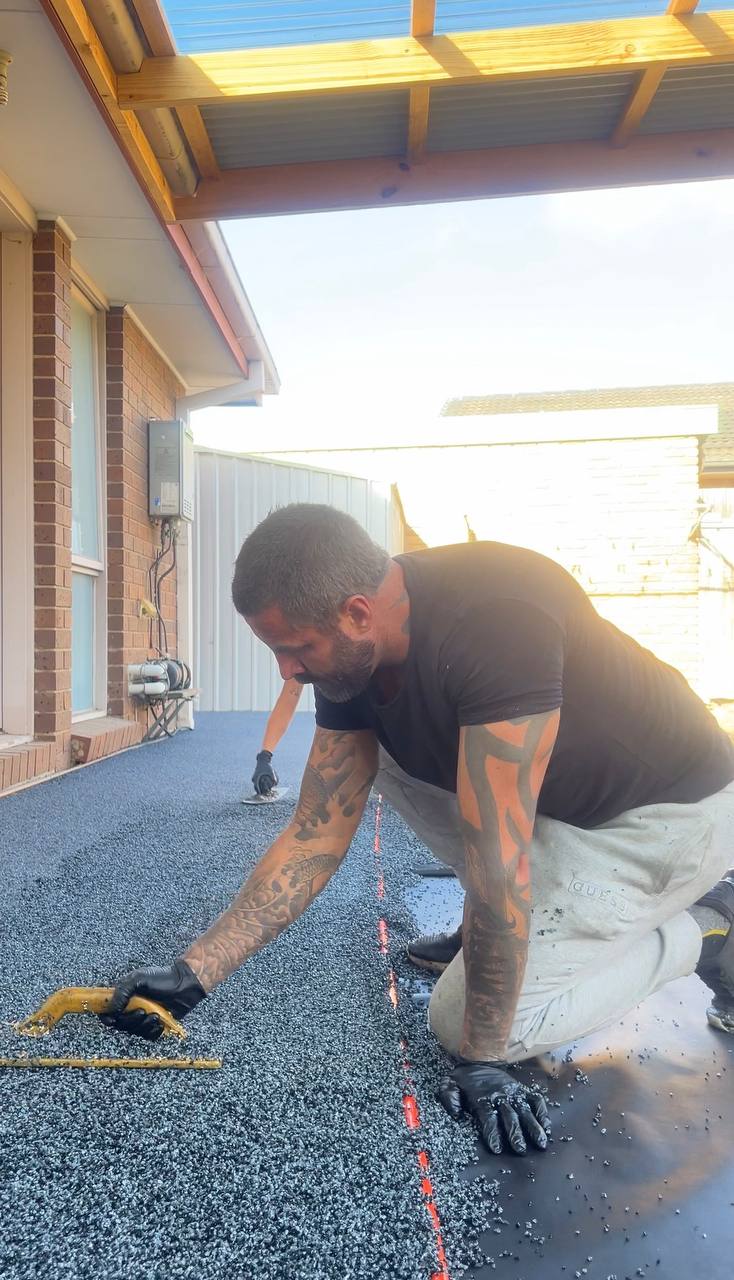
Written by Mitchell, Founder of Rubber Floor Solutions
Mitchell has 10+ years hands-on experience installing wetpour rubber flooring across Victoria. AS 4422 compliant installations for playgrounds, gyms, pools and equine facilities. Based in Melbourne, servicing all of Victoria.