Why site preparation matters for rubber flooring
Rubber flooring is durable, slip-resistant and well suited to Melbourne homes, schools, gyms, playgrounds and commercial spaces. However, even the highest-quality product can underperform if the site is not properly prepared before installation. Poor drainage, uneven subfloors, moisture issues and limited access can all lead to delays, higher costs and a shorter floor lifespan.
If you want a smooth installation and long-lasting results, site preparation should never be an afterthought. Below, we outline the key steps to get your site ready for rubber flooring installation, with practical advice tailored to Melbourne conditions.
1. Confirm the purpose of the area
Before any physical preparation begins, be clear about how the space will be used. Rubber flooring requirements vary depending on whether the area is a playground, gym, walkway, pool surround, school yard or commercial fit-out.
- Playgrounds: The flooring system may need to comply with AS 4422 for impact attenuation.
- Gyms and fitness spaces: You may need a thicker product for shock absorption and equipment protection.
- Outdoor areas: Drainage, UV exposure and heat retention should be considered.
- Commercial entries and walkways: Slip resistance and heavy foot traffic are key factors.
Knowing the intended use early helps ensure the site is prepared to the right specification and avoids changes later in the project.
2. Inspect the existing surface
The subfloor or base underneath the rubber flooring must be stable, level and suitable for the selected system. In Melbourne, we often see installations over concrete, asphalt and compacted road base, but each surface requires a different preparation approach.
What to check
- Levelness: Uneven areas can affect appearance, drainage and adhesion.
- Cracks or damage: These should be repaired before installation.
- Loose material: Dust, flaking concrete or debris can compromise bonding.
- Previous coatings or adhesives: Old residues may need to be removed.
- Base strength: The substrate must be structurally sound and able to support the flooring.
A professional site inspection can identify issues early and save time on installation day. If the base is in poor condition, it is usually more cost-effective to fix it upfront than deal with lifting, bubbling or premature wear later.
3. Address drainage and moisture
Melbourne weather can be unpredictable, with sudden rain, cool mornings and seasonal temperature swings. That means moisture management is one of the most important parts of site preparation, especially for outdoor installations.
Rubber flooring should never be installed over a base that holds water or has ongoing moisture problems. Standing water can weaken adhesives, affect curing and lead to surface failure over time.
Practical drainage tips
- Check that the area has an appropriate fall or slope so water drains away correctly.
- Make sure nearby pits, channels and stormwater points are clear and functional.
- Avoid installing after heavy rain unless the base has fully dried.
- For concrete, test for excess moisture before adhesive-based systems are installed.
- In outdoor spaces, remove low spots where puddles may form.
If your site is exposed to regular rainfall or irrigation, discuss drainage solutions before installation begins. A dry, well-drained base is essential for long-term performance.
4. Ensure the site is clean and accessible
One of the simplest ways to avoid delays is to make sure installers can access the site easily and work in a clean environment. This is particularly important for schools, strata properties and commercial projects where timing and access can be restricted.
Before the installation team arrives
- Remove furniture, equipment, bins, play items or obstacles from the area.
- Clear dust, dirt, leaves and loose debris from the surface.
- Confirm vehicle and material access for installers.
- Provide access to power and water if needed.
- Make sure other trades have finished their work in the area.
If the site is still active with builders, landscapers or electricians, coordination is important. Rubber flooring is often one of the finishing trades, so it should be installed after heavy works are complete to avoid damage.
5. Plan around Melbourne weather conditions
Melbourne is known for variable weather, and this can affect both installation scheduling and curing times. Rubber flooring products, adhesives and wet-pour systems generally perform best within specific temperature and moisture ranges.
Cold mornings, high humidity or rain can delay installation or extend curing time. On very hot days, some surfaces can also heat up quickly, which may affect handling and finishing.
Weather planning advice
- Book installation during a stable weather window where possible.
- Avoid washing down the area immediately before the installers arrive.
- Allow extra time in winter for drying and curing.
- Use temporary protection if there is a risk of rain during curing.
- Ask your installer how soon the area can be used after installation.
For schools, childcare centres and public spaces, this timing is especially important because the area may need to remain closed until the floor is fully cured and safe to use.
6. Check compliance requirements
Site preparation is not only about the base itself. It is also about making sure the finished installation will meet the relevant performance and safety requirements.
For playgrounds, one of the key standards is AS 4422, which relates to impact attenuation for surfacing under and around play equipment. If the site includes play structures, accurate measurements, fall heights and proper base preparation are all important before the rubber surface is installed.
Depending on the project, you may also need to consider:
- Slip resistance requirements
- Accessibility and transition heights
- Edge detailing and trip prevention
- Council or school specifications
- Drainage and civil works integration
Confirming these requirements early helps prevent costly changes after installation.
7. Prepare a final pre-installation checklist
Before installation day, it helps to run through a simple checklist with your contractor.
- Has the correct rubber flooring product been selected?
- Is the base level, dry and structurally sound?
- Have cracks, holes or damaged areas been repaired?
- Is drainage working properly?
- Is the site clear and ready for access?
- Has the weather forecast been reviewed?
- Have compliance requirements such as AS 4422 been confirmed where relevant?
A short pre-start review can make the entire process more efficient and reduce the risk of rework.
Set your project up for success
Good site preparation is the foundation of a successful rubber flooring installation. Whether you are upgrading a Melbourne playground, fitting out a gym or improving an outdoor walkway, the right preparation will help your floor look better, perform better and last longer.
The key steps are simple: check the base, fix drainage, manage moisture, ensure access, plan for Melbourne weather and confirm compliance requirements. If you are unsure where to start, a professional site assessment can provide clear recommendations before work begins.
At Rubber Floor Solutions, we help Melbourne clients prepare sites properly so their rubber flooring delivers safe, durable and attractive results for years to come.
References & Standards
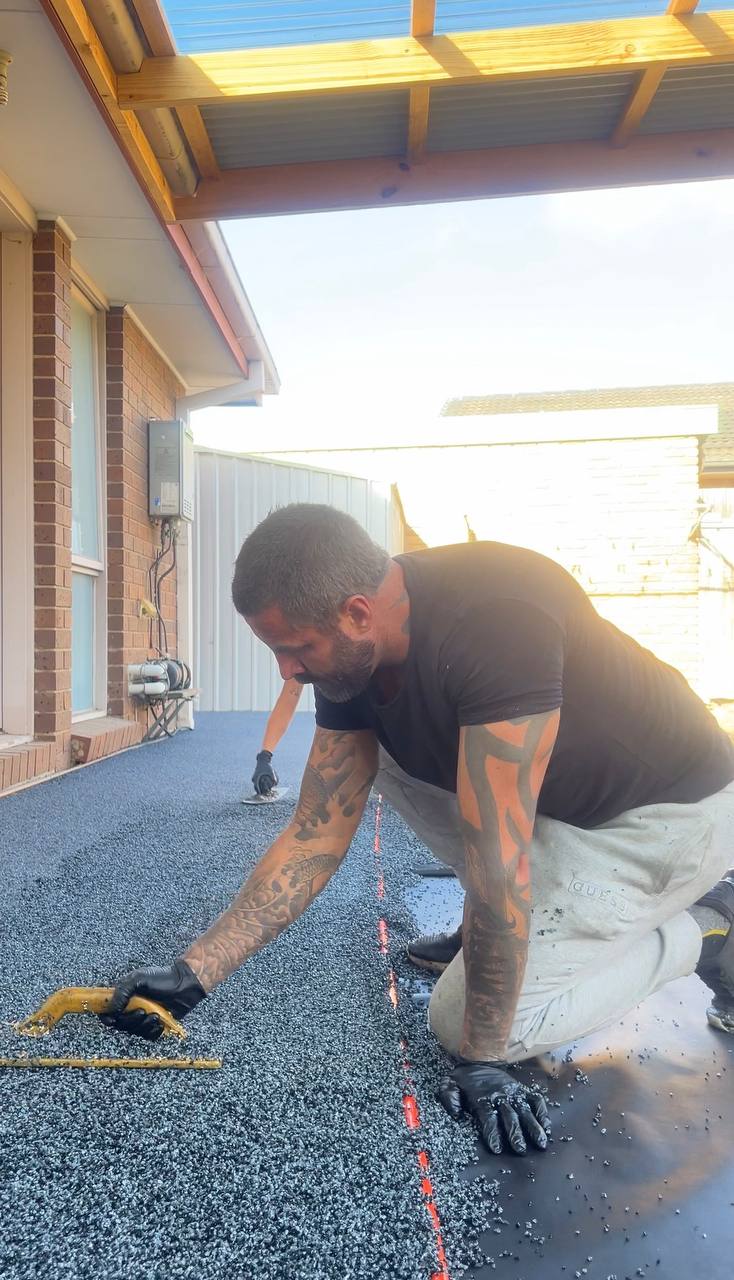
Written by Mitchell, Founder of Rubber Floor Solutions
Mitchell has 10+ years hands-on experience installing wetpour rubber flooring across Victoria. Installations for playgrounds, gyms, pools and equine facilities, with playground depth matched to fall height. Based in Melbourne, servicing all of Victoria.