How to prepare your site for rubber flooring installation in Melbourne
Proper site preparation is the most important factor in achieving a long-lasting, safe rubber floor. Whether you’re installing wetpour for a playground, rubber tiles for a gym or outdoor rubber paving, careful planning mitigates problems caused by Melbourne’s variable weather, underlying substrate issues and compliance requirements such as AS 4422 for playground surfacing.
1. Start with a site inspection and plan
Book a site assessment with your flooring supplier or installer. Key items to check:
- Substrate type (concrete, asphalt, compacted roadbase) and condition.
- Existing falls and drainage paths.
- Nearby trees, services and potential contamination (oil, paint, chemicals).
- Access for deliveries, plant and waste removal.
- If it’s a playground, confirm fall heights and impact attenuation requirements under AS 4422.
2. Clear, demolish and remove unsuitable material
Remove old surfacing, loose debris, weeds and organic material. For outdoor projects in Melbourne, roots and leaf litter can trap moisture and cause delamination — remove these thoroughly. If there is existing asphalt or old rubber that’s unsound, it typically needs to be removed or profiled so the new system can bond correctly.
3. Fix drainage and falls
Ensure the surface drains away from buildings and play areas. Rubber surfaces are not a waterproof barrier; they rely on good falls and drainage to avoid ponding. Aim for a consistent fall where possible (a practical target is typically in the order of 1–2% depending on the site). Discuss local council requirements for public areas — many Melbourne councils expect positive drainage and controlled run-off.
4. Prepare the substrate
Each substrate has specific preparation needs:
- Concrete: Repair cracks, remove laitance, and ensure the surface is mechanically prepared (shot blasting or scabbling) for good adhesion. Check for moisture ingress and perform a moisture test if required.
- Asphalt: Ensure it’s stable and free of oils. Potholes and areas of soft asphalt should be removed and repaired.
- Compacted base: For wetpour or large outdoor areas, the base should be compacted to specification and have a stable substrate to avoid settling.
5. Moisture testing and contamination checks
Moisture in the substrate can cause bond failure. Carry out moisture tests where adhesives or resin systems are specified. Test for contaminants (oil, fuel spills, residues) and remove or remediate accordingly — concrete contaminated with oil may need to be replaced or treated.
6. Edge details, joints and services
Plan edge terminations, expansion joints and locations of drains and utilities. Rubber systems generally need solid edge support; install edge restraints or aluminium profiles as needed. For areas subject to large temperature swings in Melbourne, allow for expansion joints and specify adhesive systems that tolerate movement.
7. Plan the installation window around Melbourne weather
Melbourne weather is famously changeable. Try to schedule installations in drier months (spring and summer periods are generally more reliable) and avoid heavy rain or cold snaps. Rain delays are common in winter; wet conditions disrupt adhesive cures and resin systems. Communicate clear timeframes with your installer and allow contingency days.
8. Site safety, access and logistics
Provide a secure, dry storage area for materials. Ensure clear access for trucks and plant. Mark service locations and hazards. For public or school sites, arrange cordons and signage to keep the area safe during works.
9. Final checklist before the crew arrives
- Site cleared of furniture, rubbish and vegetation.
- Substrate repairs completed and inspected.
- Positive drainage established and outlets clear.
- Deliveries and storage area confirmed.
- Weather window confirmed and contingency planned.
- Compliance requirements (AS 4422 for play areas, council permits) checked and documented.
Need help with site preparation?
Rubber Floor Solutions offers site assessments and tailored preparation plans across Melbourne. Contact us to arrange a pre-installation inspection — we’ll check substrate suitability, drainage, compliance with AS 4422 for playgrounds and provide a practical scope of works so your installation proceeds smoothly and on schedule.
Quick tip: A small investment in correct site preparation prevents most common failures — adhesion issues, ponding, or premature wear — saving time and cost over the life of the floor.
References & Standards
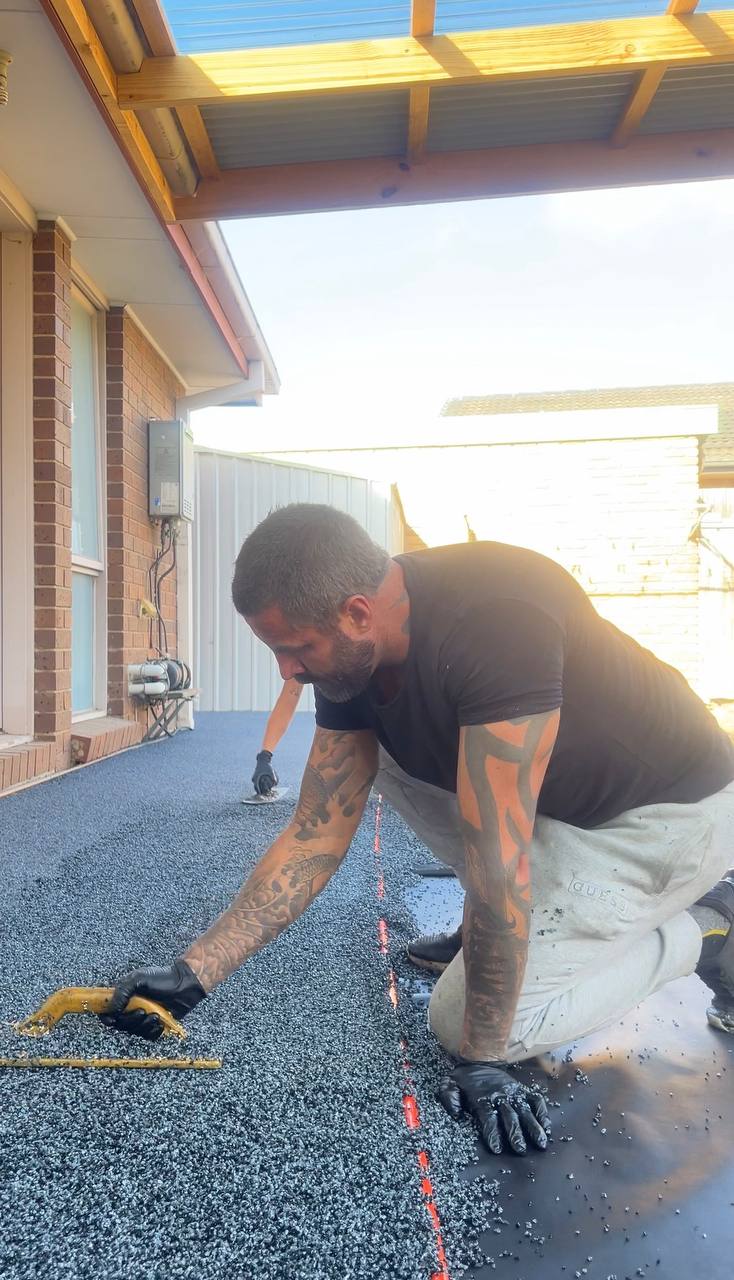
Written by Mitchell, Founder of Rubber Floor Solutions
Mitchell has 10+ years hands-on experience installing wetpour rubber flooring across Victoria. AS 4422 compliant installations for playgrounds, gyms, pools and equine facilities. Based in Melbourne, servicing all of Victoria.