Why weather matters for rubber flooring installation
When planning a rubber flooring project, many people focus on product choice, colour and budget. However, weather conditions can have a major impact on installation timing, especially for outdoor areas and partially enclosed spaces. Temperature, humidity, rain and even Melbourne's well-known day-to-day weather swings can affect how adhesives cure, how rubber expands or contracts, and how well the flooring bonds to the substrate.
Whether you are installing rubber flooring in a gym, childcare centre, playground, rooftop area or commercial walkway, timing the job correctly can help avoid delays, lifting edges, uneven seams and premature wear. In Melbourne, where you can experience four seasons in one day, planning around the weather is not just helpful, it is essential.
Temperature and adhesive performance
One of the biggest weather-related factors is temperature. Most rubber flooring products and adhesives perform best within a recommended installation range set by the manufacturer. If conditions are too cold, adhesives may become thick, slow to cure or fail to bond properly. If it is too hot, they can flash off too quickly, reducing working time and affecting adhesion.
Melbourne winters often bring cool mornings and lower daytime temperatures, which can slow installation progress. On the other hand, summer heat can make outdoor surfaces extremely warm, particularly on concrete or asphalt bases exposed to direct sun.
Practical tip
- Check the manufacturer's recommended temperature range before booking installation.
- Schedule outdoor works for mild days where possible.
- If installing indoors, allow the space to reach a stable temperature before and during the job.
- Avoid laying flooring first thing in the morning if the substrate is still cold from overnight conditions.
Rain and moisture in the substrate
Rain is an obvious installation risk for outdoor rubber flooring, but it can also create hidden problems that last well beyond the wet weather itself. After rainfall, concrete and other base surfaces can retain moisture. Installing rubber over a damp substrate may interfere with adhesive curing and lead to bubbling, poor bond strength or mould-related issues in some environments.
This is particularly important in Melbourne, where showers can arrive suddenly and where cooler months may leave outdoor surfaces damp for longer. Even if the top of the slab appears dry, moisture deeper in the substrate can still affect the result.
Why this matters for playgrounds
For playground rubber surfacing, installation quality directly affects safety and durability. Projects designed to meet AS 4422 for playground impact attenuation should be installed under suitable site conditions so the finished surface performs as intended. If moisture compromises adhesion or curing, the surface may not deliver consistent long-term performance.
Practical tip
- Do not install immediately after rain without checking substrate moisture levels.
- Allow extra drying time during winter and in shaded areas.
- Use moisture testing where required, especially on concrete slabs.
- Keep an eye on the forecast for at least 24 to 48 hours before outdoor installation.
Humidity and curing times
Humidity can also influence installation timing. High humidity may slow the curing process of some adhesives and coatings, while fluctuating conditions can make it harder to predict when the floor will be ready for foot traffic. In commercial spaces, this affects handover times and can disrupt business operations if not planned properly.
Melbourne's humidity is often less extreme than in some other Australian cities, but it can still vary enough to influence curing, particularly in enclosed spaces with limited ventilation.
Practical tip
- Allow extra cure time during humid weather.
- Improve airflow in indoor areas where possible, while avoiding dust contamination.
- Do not return furniture, gym equipment or heavy traffic to the floor before the adhesive has fully cured.
Expansion, contraction and material acclimatisation
Rubber flooring can expand and contract slightly in response to temperature changes. If the material is installed without proper acclimatisation, it may not sit correctly once conditions shift. This can lead to gaps, movement at joins or stress around edges.
Acclimatisation is especially important in Melbourne because a cool delivery day can be followed by a warm installation afternoon, or vice versa. Bringing the product to site and allowing it to settle in the installation environment helps reduce movement after laying.
Practical tip
- Store rubber flooring on site for the recommended acclimatisation period before installation.
- Keep materials flat and protected from direct sun, rain and extreme temperatures.
- Make sure the substrate and the flooring are at similar stable temperatures before laying begins.
Best times of year for rubber flooring installation in Melbourne
There is no single perfect season for every project, but spring and autumn often provide the most stable installation conditions in Melbourne. These months typically offer milder temperatures and fewer extremes, making them ideal for both indoor and outdoor works.
Summer can still be suitable, but installers may need to start earlier in the day to avoid peak heat. Winter projects are possible too, particularly indoors, though they may require extra care with temperature control, moisture checks and curing times.
- Spring: Good all-round conditions, but keep an eye on sudden showers.
- Summer: Best for dry conditions, but heat management is important.
- Autumn: Often ideal for stable temperatures and reliable scheduling.
- Winter: Suitable for indoor jobs, with extra attention to cold and damp conditions.
How to plan your installation for better results
If you want your rubber flooring to look great and perform well for years, timing should be part of the project plan from the start. Weather cannot be controlled, but it can be managed with good preparation.
- Book installation with some flexibility in the schedule.
- Review the short-term forecast before confirming outdoor works.
- Ask your installer about ideal temperature and moisture conditions for your chosen product.
- Allow enough time for acclimatisation and curing, not just the physical laying of the floor.
- For playgrounds and safety surfaces, ensure installation methods support compliance with the required performance standards, including AS 4422 where relevant.
Final thoughts
Rubber flooring is a durable and practical solution for many commercial and recreational spaces, but the best results depend on more than just choosing a quality product. Weather plays a key role in installation timing, affecting adhesion, curing, moisture levels and overall finish. In Melbourne conditions, careful scheduling can make the difference between a smooth project and a costly callback.
If you are planning a rubber flooring installation, working with an experienced local team can help you navigate seasonal conditions, site preparation and timing. The right advice at the right stage will protect your investment and help your flooring perform as intended.
References & Standards
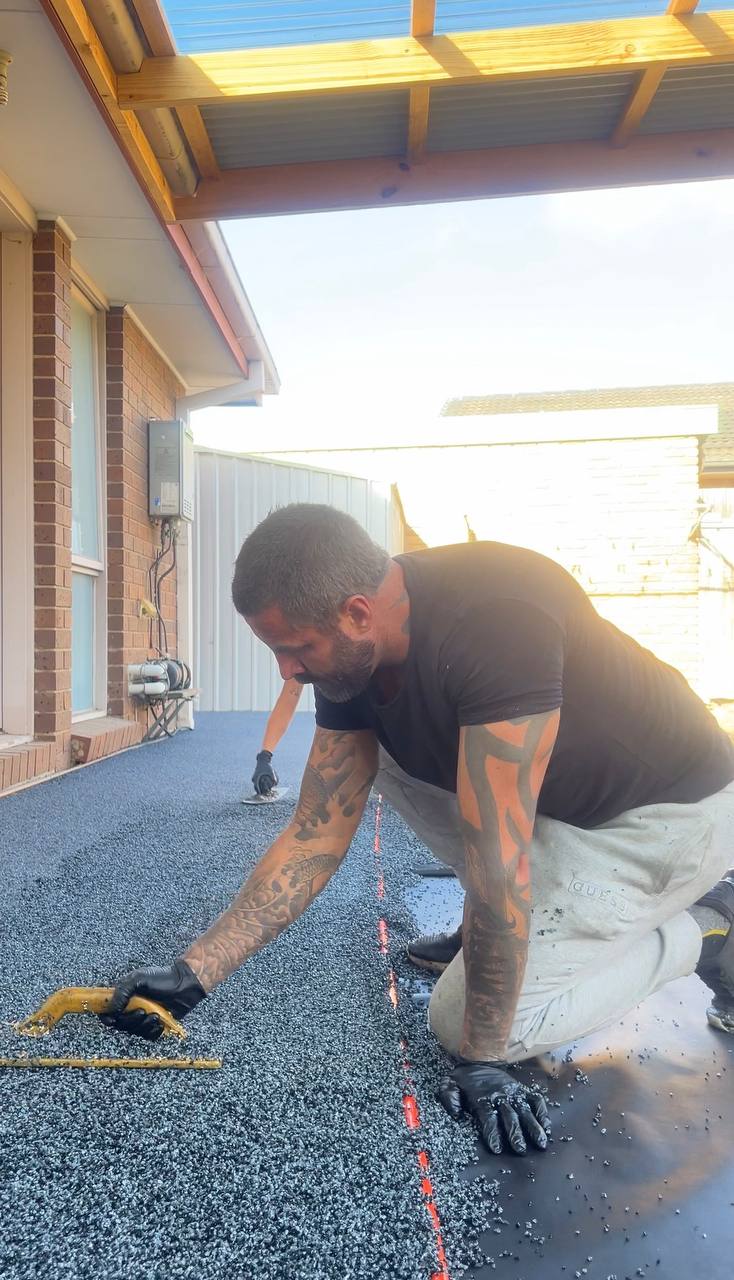
Written by Mitchell, Founder of Rubber Floor Solutions
Mitchell has 10+ years hands-on experience installing wetpour rubber flooring across Victoria. Installations for playgrounds, gyms, pools and equine facilities, with playground depth matched to fall height. Based in Melbourne, servicing all of Victoria.