When selecting rubber flooring for your home, playground, gym, or commercial space, you'll quickly encounter two popular options: SBR (Styrene-Butadiene Rubber) and EPDM (Ethylene Propylene Diene Monomer). Both offer excellent performance, but understanding their differences is crucial for making the right choice for your specific needs.
What Is SBR Rubber?
SBR is a synthetic rubber made from styrene and butadiene. It's the most commonly used rubber in the world, found in everything from car tyres to conveyor belts. In flooring applications, SBR is typically made from recycled rubber tyres, making it an environmentally friendly and cost-effective option.
Key Characteristics of SBR:
- Excellent abrasion resistance and durability
- Good tensile strength and elasticity
- Cost-effective due to recycled content
- Black or dark grey in colour (natural state)
- Moderate UV resistance
What Is EPDM Rubber?
EPDM is a synthetic rubber made from ethylene, propylene, and a diene monomer. It's manufactured as virgin rubber specifically for various applications, including roofing membranes, automotive seals, and premium rubber flooring. EPDM is known for its superior weather resistance and vibrant colour options.
Key Characteristics of EPDM:
- Exceptional UV and weather resistance
- Available in a wide range of colours
- Non-fading in direct sunlight
- Excellent temperature resistance (-40°C to 120°C)
- Superior ozone resistance
SBR vs EPDM: The Key Differences
1. UV and Weather Resistance
This is where EPDM truly shines. In Melbourne's variable climate—from scorching summer sun to cool, wet winters—EPDM maintains its integrity and colour far better than SBR. While SBR can withstand outdoor conditions reasonably well, it will fade and may become brittle over time when exposed to constant UV radiation. For outdoor applications like playgrounds, pool surrounds, or outdoor gym areas, EPDM is the superior choice.
2. Colour Options
SBR rubber is typically black or dark grey due to its recycled tyre content. While it can be mixed with coloured EPDM granules for aesthetic appeal, the base material remains dark. EPDM offers vibrant, permanent colours—reds, blues, greens, yellows, and more—that won't fade. This makes EPDM ideal for playgrounds, decorative applications, and areas where aesthetics matter.
3. Cost Considerations
SBR is generally 30-50% less expensive than EPDM. This cost difference stems from SBR's recycled content versus EPDM's virgin rubber production. For budget-conscious projects or indoor applications where UV resistance isn't critical, SBR offers excellent value. However, when considering long-term durability in outdoor settings, EPDM's higher upfront cost may be offset by its longevity.
4. Durability and Wear Resistance
Both materials offer excellent durability, but in different ways. SBR excels in high-traffic indoor environments like gyms, weight rooms, and commercial spaces. Its dense composition provides superior impact absorption and wear resistance for heavy equipment. EPDM, while also durable, is engineered more for environmental resistance than extreme mechanical wear.
5. Environmental Impact
SBR wins points for sustainability, as it's typically made from recycled tyres—diverting waste from landfills. EPDM is virgin rubber, requiring more resources to manufacture. However, EPDM's longer lifespan in outdoor applications means less frequent replacement, which can offset its environmental footprint over time.
Best Applications for Each Material
Choose SBR When:
- Installing indoor gym or fitness flooring
- Budget is a primary concern
- Colour isn't a priority (black/dark grey is acceptable)
- The area has minimal UV exposure
- You need maximum impact absorption for heavy weights
- Installing commercial or industrial flooring
Choose EPDM When:
- Installing outdoor playgrounds (especially for AS 4422 compliance)
- UV and weather resistance are critical
- Vibrant, permanent colours are desired
- The surface will face Melbourne's harsh sun exposure
- Installing around pools or water features
- Creating decorative patterns or designs
- Long-term durability outweighs upfront cost
Can You Mix SBR and EPDM?
Absolutely! Many rubber flooring products use a blend of SBR and EPDM to balance cost and performance. A common configuration is an SBR base layer for structural support and impact absorption, topped with an EPDM wear layer for UV resistance and colour. This approach is particularly popular for outdoor playgrounds and sports surfaces.
Australian Standards and Compliance
For playground installations in Melbourne and throughout Australia, AS 4422 sets the standards for impact-absorbing surfaces. Both SBR and EPDM can meet these requirements when properly installed at appropriate thicknesses. However, EPDM's superior weather resistance makes it easier to maintain compliance over time, as it won't degrade as quickly in outdoor conditions.
Making Your Decision
The choice between SBR and EPDM ultimately depends on your specific application, budget, and priorities:
For indoor gyms and commercial spaces: SBR offers unbeatable value and performance.
For outdoor playgrounds and recreational areas: EPDM's UV resistance and colour retention justify the higher cost.
For mixed-use or transitional spaces: Consider a blended product that combines the strengths of both materials.
Get Expert Advice
Still unsure which rubber flooring is right for your Melbourne project? The team at Rubber Floor Solutions can assess your specific needs, site conditions, and budget to recommend the perfect solution. We work with both SBR and EPDM products and can provide samples, quotes, and professional installation services.
Whether you're outfitting a home gym, installing a compliant playground surface, or creating a commercial fitness space, choosing the right rubber material ensures years of safe, durable performance. Contact us today to discuss your project and discover which option—SBR, EPDM, or a blend—will deliver the best results for your investment.
References & Standards
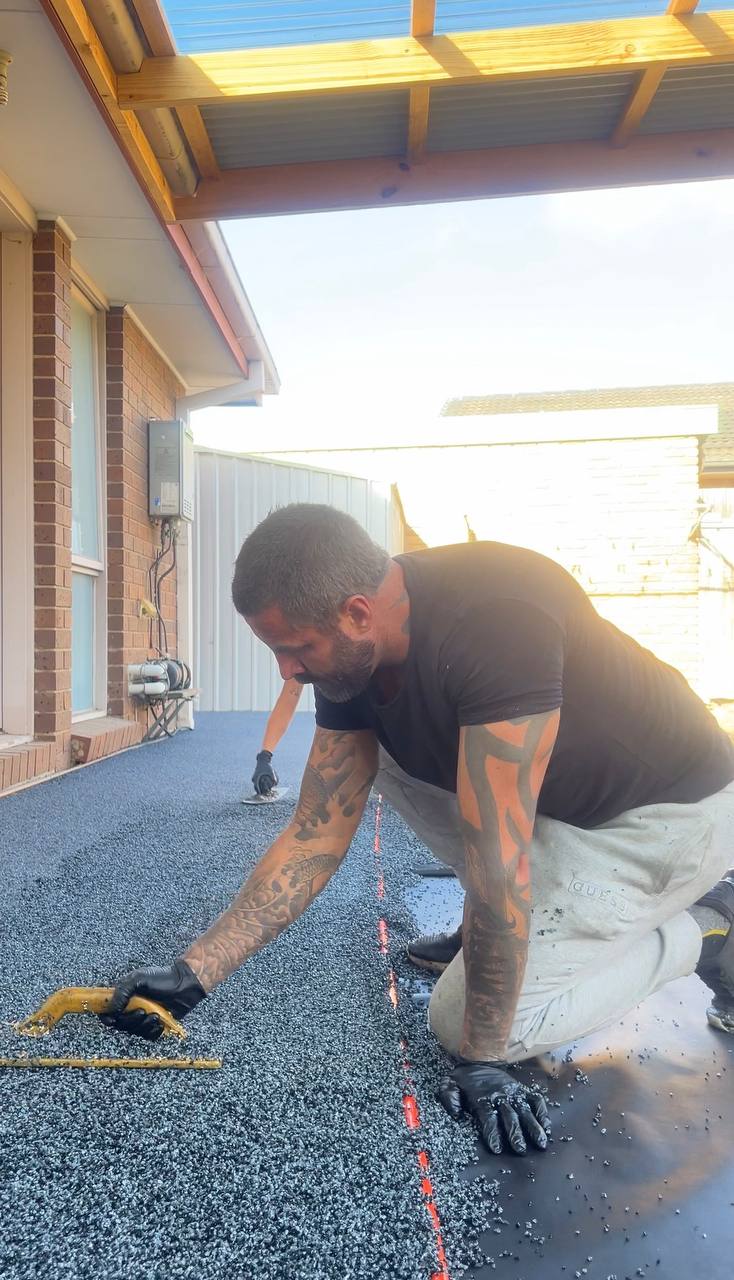
Written by Mitchell, Founder of Rubber Floor Solutions
Mitchell has 10+ years hands-on experience installing wetpour rubber flooring across Victoria. Installations for playgrounds, gyms, pools and equine facilities, with playground depth matched to fall height. Based in Melbourne, servicing all of Victoria.