If you're searching for SBR vs EPDM, you're probably weighing up two of the most common materials used in rubber flooring across Australia. Both are excellent, but they perform very differently depending on where they're installed. Here's a clear breakdown to help you choose the right option for your Melbourne project.
What Is SBR Rubber?
SBR (Styrene Butadiene Rubber) is a synthetic rubber, most commonly made from recycled car and truck tyres. The tyres are shredded into granules, the steel and fibre are removed, and the granules are bound together with polyurethane to create mats, tiles, or poured-in-place surfaces.
It's typically black or dark speckled, and it's the go-to choice for budget-conscious and sustainability-focused projects.
What Is EPDM Rubber?
EPDM (Ethylene Propylene Diene Monomer) is a virgin synthetic rubber manufactured specifically for outdoor durability. EPDM granules are produced in a wide range of vibrant colours, such as red, green, blue, terracotta, and beige. They are usually used as a wearing course on top of an SBR base layer.
SBR vs EPDM: Key Differences
1. Colour and Appearance
- SBR: Limited to black, or black with small coloured flecks. Colour-coated SBR can fade over time.
- EPDM: Colour is mixed through the granule, offering bright, consistent colour and creative design options like logos, games and pathways.
2. UV Resistance and Melbourne Weather
Melbourne's "four seasons in one day" climate, combined with strong Australian UV, is tough on outdoor surfaces. EPDM has superior UV and weather resistance and holds its colour far longer. SBR is durable, but if it's exposed to prolonged sun, surface-coated colours can fade and the surface may become more brittle over the years.
3. Durability and Lifespan
- SBR: Very tough and impact-resistant, ideal for heavy loads such as gym weights. Indoor lifespan is excellent.
- EPDM: Typically lasts 10 to 15+ years outdoors with proper maintenance, thanks to its stability against sun, rain, and temperature swings.
4. Cost
SBR is the more affordable option because it uses recycled material. EPDM costs more per square metre due to its virgin raw material and colour pigments. However, many outdoor projects use both: an SBR base for cushioning with an EPDM top layer for colour and UV protection, which balances cost and performance.
5. Safety and Impact Absorption
For playgrounds, the key consideration is critical fall height (CFH) under AS 4422, the Australian standard for playground surfacing. Both materials can meet AS 4422 requirements when installed at the correct thickness. The thickness of the SBR base layer largely determines impact attenuation, while EPDM provides the durable, slip-resistant wearing surface. Always request test certification for the specific system installed.
6. Environmental Impact
SBR wins for sustainability, diverting thousands of end-of-life tyres from landfill. EPDM is virgin material, though it's long-lasting and low maintenance. Many councils and schools like the combination: recycled SBR base plus EPDM top layer.
7. Odour and Indoor Use
SBR can have a noticeable rubber smell when newly installed, which usually fades with ventilation. EPDM has less odour, making it popular for some indoor settings, but SBR remains the standard in gyms because of its toughness and value.
Quick Comparison Table
- Cost: SBR lower, EPDM higher
- Colour range: SBR limited, EPDM extensive
- UV resistance: SBR moderate, EPDM excellent
- Best for: SBR for gyms, bases, and budgets; EPDM for playgrounds, pool surrounds, and visible outdoor areas
- Sustainability: SBR recycled; EPDM virgin
Which Should You Choose?
Choose SBR if:
- You're flooring a home gym, commercial gym, or garage
- Budget is a priority
- Colour isn't important
- You want a recycled, eco-friendly product
Choose EPDM if:
- You're building a playground, school, or childcare centre surface
- The area is exposed to full Melbourne sun and rain
- You want bright, lasting colour or custom designs
- Appearance matters, such as for pool surrounds, walkways, or commercial entrances
Choose both if:
For most outdoor playgrounds, a two-layer system is the best answer: an SBR cushioning base, topped with a 10 mm or thicker EPDM wearing course. This delivers AS 4422 compliant impact protection, colour retention, and sensible pricing.
Practical Tips Before You Buy
- Check drainage: Melbourne's rain demands a well-prepared, free-draining sub-base for outdoor installs.
- Ask for certification: For playgrounds, confirm CFH test reports and AS 4422 compliance.
- Consider maintenance: Sweep regularly and hose down. Avoid harsh solvents, which can degrade rubber.
- Use professional installers: Poured-in-place surfaces rely on correct mixing, temperature, and curing conditions.
- Plan for shade: Dark rubber can get hot in summer, so shade sails or lighter EPDM colours help keep surfaces comfortable.
Final Thoughts
The SBR vs EPDM debate isn't about one being better overall. It's about matching the material to the job. SBR offers affordability, strength, and recycled credentials, while EPDM brings colour, UV stability, and a premium finish. For many Melbourne projects, combining them gives you the best of both worlds.
Not sure which suits your space? Contact the team at Rubber Floor Solutions for a free quote and expert advice tailored to your site, budget, and compliance requirements.
References & Standards
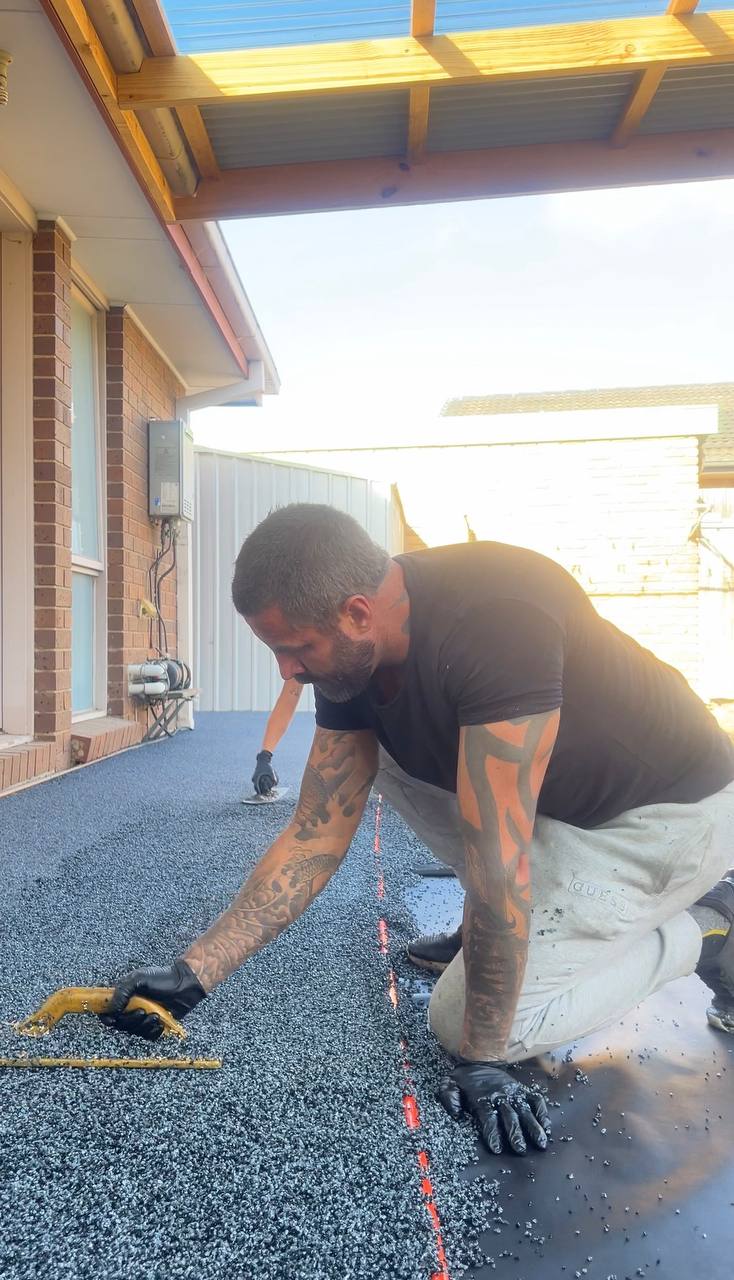
Written by Mitchell, Founder of Rubber Floor Solutions
Mitchell has 10+ years hands-on experience installing wetpour rubber flooring across Victoria. Installations for playgrounds, gyms, pools and equine facilities, with playground depth matched to fall height. Based in Melbourne, servicing all of Victoria.