If you're researching rubber flooring, you've likely come across two acronyms: SBR and EPDM. Both are popular in playgrounds, gyms, and commercial spaces, but they perform very differently. Here's a clear breakdown to help you choose the right one for your Melbourne project.
What Is SBR Rubber?
SBR (Styrene Butadiene Rubber) is typically made from recycled tyre rubber. Granules are bound together with polyurethane to create mats, tiles, rolls or poured-in-place surfaces. It is usually black or dark grey, sometimes with coloured flecks added.
Because it's made from recycled material, SBR is the budget-friendly and eco-conscious choice, diverting thousands of end-of-life tyres from landfill.
What Is EPDM Rubber?
EPDM (Ethylene Propylene Diene Monomer) is a virgin synthetic rubber manufactured specifically for outdoor performance. It is produced in a wide range of vibrant, consistent colours and is widely used as the wear layer on playground surfaces.
SBR vs EPDM: Key Differences
1. Colour and Appearance
- SBR: Limited to black, or black with coloured flecks. Surface colour-coated SBR is available but can fade over time.
- EPDM: Offers a full palette of through-body colours including red, blue, green, yellow and custom blends. Colour is consistent throughout the granule.
2. UV Resistance and Melbourne Weather
Melbourne's "four seasons in one day" climate, combined with strong Australian UV, is tough on outdoor surfaces. EPDM has excellent UV and weather resistance and holds its colour for years. SBR is more prone to fading and surface breakdown when exposed to long-term sun, which is why it's better suited to indoor or covered areas, or used as a base layer beneath EPDM.
3. Cost
- SBR: Considerably cheaper per square metre, making it ideal for large areas and tight budgets.
- EPDM: A higher upfront cost, offset by longer outdoor life and lower maintenance.
4. Durability and Lifespan
Both are hard-wearing. Indoors, SBR can last 10+ years in gyms and commercial spaces. Outdoors, EPDM generally outlasts SBR because it resists cracking, fading and weathering. With proper installation, EPDM wear layers commonly perform well for 10 to 15 years or more.
5. Safety and Impact Absorption
Both materials absorb impact well. For playgrounds, compliance with AS 4422 (Playground surfacing – Specifications, requirements and test method) depends on the critical fall height of the system. Typically this is achieved with an SBR shock-pad base layer topped with an EPDM wear course, with thickness tailored to the height of your equipment. Always request test certification for your specific installation.
6. Slip Resistance and Drainage
Poured-in-place systems in both materials are porous, allowing rain to drain through, which is valuable during Melbourne's wetter months. EPDM surfaces retain a textured, slip-resistant finish when wet, though correct installation and falls are essential for both.
7. Sustainability
SBR wins on recycled content. EPDM is virgin material but is long-lasting and often used in thinner wear layers over recycled bases, balancing performance with environmental impact.
Quick Comparison Table
- Cost: SBR (lower) vs EPDM (higher)
- Colour range: SBR (limited) vs EPDM (extensive)
- UV resistance: SBR (moderate) vs EPDM (excellent)
- Best location: SBR (indoor, covered, base layers) vs EPDM (outdoor, surface layers)
- Recycled content: SBR (high) vs EPDM (low)
Which Should You Choose?
Choose SBR if:
- You're flooring a home gym, commercial gym or weights room
- The area is indoors or fully covered
- Budget and recycled content are priorities
- Colour isn't important
Choose EPDM if:
- You're building a playground, school yard or childcare centre
- The surface will face sun, rain and heavy foot traffic
- You want bright, long-lasting colour
- You need a premium, low-maintenance finish
Or Combine Both
For most Melbourne playgrounds, the best-value solution is a dual-layer system: a durable SBR base for cushioning, topped with a 10 to 15 mm EPDM wear layer for colour and weather protection. You get compliance, performance and cost-efficiency in one.
Practical Tips Before You Buy
- Check the critical fall height of your equipment and ask for AS 4422 compliance documentation.
- Prepare the sub-base properly. Concrete or compacted crushed rock with correct drainage is vital for longevity.
- Consider installation conditions. Poured systems need dry weather, so plan around Melbourne's wetter months.
- Plan maintenance. Regular sweeping and occasional low-pressure washing keeps both surfaces looking great.
- Ask about warranties and what they cover, particularly for colour fade on outdoor installs.
Final Verdict
There's no single winner in the SBR vs EPDM debate. SBR is the practical, economical choice for indoor and base-layer applications, while EPDM is the go-to for colourful, weatherproof outdoor surfaces. Matching the material to your location, budget and safety requirements is the key to a floor that performs for years.
Not sure which suits your project? Contact the team at Rubber Floor Solutions for a free consultation and quote tailored to your Melbourne site.
References & Standards
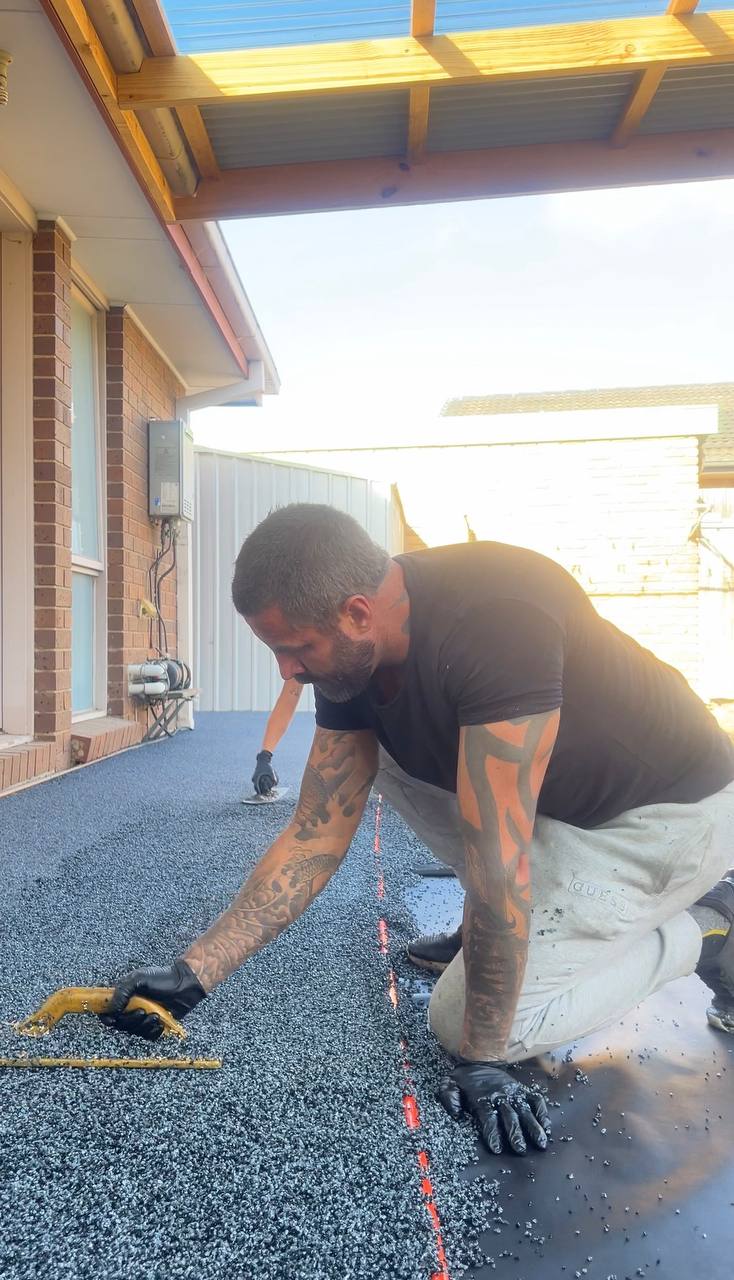
Written by Mitchell, Founder of Rubber Floor Solutions
Mitchell has 10+ years hands-on experience installing wetpour rubber flooring across Victoria. Installations for playgrounds, gyms, pools and equine facilities, with playground depth matched to fall height. Based in Melbourne, servicing all of Victoria.