When choosing rubber flooring for your Melbourne property, you'll quickly encounter two popular options: SBR (Styrene-Butadiene Rubber) and EPDM (Ethylene Propylene Diene Monomer). Both offer excellent performance, but understanding their differences is crucial for making the right investment.
What Is SBR Rubber?
SBR is a synthetic rubber made from styrene and butadiene. It's the most commonly used rubber in the world, found in everything from car tyres to conveyor belts. In flooring applications, SBR is typically made from recycled rubber, making it an economical and environmentally friendly choice.
Key Characteristics of SBR:
- Excellent abrasion resistance and durability
- Good shock absorption properties
- Cost-effective solution
- Typically black or dark grey in colour
- Made from recycled materials (usually old tyres)
What Is EPDM Rubber?
EPDM is a synthetic rubber specifically engineered for superior weather resistance and longevity. It's manufactured from virgin rubber rather than recycled materials, which gives it distinct performance advantages in certain environments.
Key Characteristics of EPDM:
- Superior UV and ozone resistance
- Excellent weathering properties
- Available in vibrant, fade-resistant colours
- Maintains flexibility in extreme temperatures
- Made from virgin rubber materials
The Critical Differences: SBR vs EPDM
1. UV and Weather Resistance
This is where EPDM truly shines. Melbourne's harsh UV levels and variable weather conditions can take their toll on outdoor surfaces. EPDM rubber contains carbon black and other stabilisers that provide exceptional resistance to UV degradation, ozone, and weathering.
SBR, while durable, will gradually fade and harden when exposed to prolonged sunlight. For outdoor applications in Melbourne's climate, this is a significant consideration. If your flooring will receive direct sunlight for extended periods, EPDM is the superior choice.
2. Colour Options
EPDM rubber can be manufactured in virtually any colour, and these colours are integrated throughout the material—not just surface-applied. This means even as the surface wears, the colour remains consistent. Popular colours include red, green, blue, terracotta, and custom blends.
SBR is typically limited to black or dark grey tones due to its recycled tyre composition. While some coloured EPDM granules can be added to SBR surfaces, the base material remains dark.
3. Cost Considerations
SBR rubber flooring is generally 20-40% less expensive than EPDM. This makes it an attractive option for budget-conscious projects, particularly for indoor applications or areas with limited sun exposure.
EPDM's higher cost reflects its virgin material composition and superior performance characteristics. However, the longer lifespan and reduced maintenance requirements often justify the initial investment.
4. Durability and Lifespan
Both materials offer excellent durability, but in different ways:
SBR provides outstanding abrasion resistance, making it ideal for high-traffic areas like gyms, warehouses, and indoor play areas. It can withstand heavy equipment and constant foot traffic without significant wear.
EPDM excels in maintaining its properties over time, particularly outdoors. While both materials are durable, EPDM will maintain its flexibility, colour, and structural integrity for longer in outdoor environments—often 15-20 years compared to 8-12 years for SBR in similar conditions.
5. Environmental Considerations
SBR rubber flooring is typically made from recycled tyres, diverting waste from landfills and giving new life to materials that would otherwise pose environmental challenges. This makes it an excellent sustainable choice.
EPDM, while made from virgin materials, offers sustainability through longevity. Its extended lifespan means less frequent replacement and reduced long-term material consumption.
Best Applications for Each Material
Choose SBR When:
- Installing indoor flooring (gyms, basements, garages)
- Budget is a primary concern
- The area receives minimal direct sunlight
- Colour isn't a critical factor
- You want maximum recycled content
- High abrasion resistance is the priority
Choose EPDM When:
- Installing outdoor surfaces (playgrounds, pool surrounds, pathways)
- The area receives significant sun exposure
- Specific colours are required for aesthetics or safety
- Compliance with AS 4422 playground standards is needed
- Maximum longevity is desired
- The surface must maintain flexibility in temperature extremes
Melbourne-Specific Considerations
Melbourne's climate presents unique challenges with its "four seasons in one day" reputation. Temperature fluctuations, intense summer UV, and occasional heavy rain all impact flooring performance.
For outdoor applications in Melbourne, EPDM's superior weather resistance makes it the recommended choice. The investment in EPDM typically pays off through reduced maintenance and longer replacement cycles.
For indoor applications—such as home gyms, commercial fitness centres, or warehouse flooring—SBR offers excellent performance at a lower cost, making it the practical choice.
Compliance and Safety Standards
If you're installing playground surfacing, AS 4422 compliance is mandatory. Both SBR and EPDM can meet these standards when properly installed with adequate fall height ratings. However, EPDM's colour options make it easier to create engaging, visually stimulating play environments while maintaining safety compliance.
Making Your Decision
The choice between SBR and EPDM ultimately depends on your specific requirements:
Budget-conscious indoor projects: SBR delivers excellent value and performance.
Outdoor applications requiring longevity: EPDM's weather resistance and colour stability justify the higher investment.
Playground surfacing: EPDM offers safety compliance plus aesthetic appeal.
High-traffic commercial spaces: Either material works well; choose based on indoor vs outdoor location.
Both SBR and EPDM rubber flooring offer distinct advantages. By understanding their differences and matching them to your specific Melbourne project requirements, you'll make an informed decision that delivers lasting value and performance.
Need expert advice on which rubber flooring solution is right for your project? Contact Rubber Floor Solutions for a personalised consultation and quote tailored to your Melbourne property's unique needs.
References & Standards
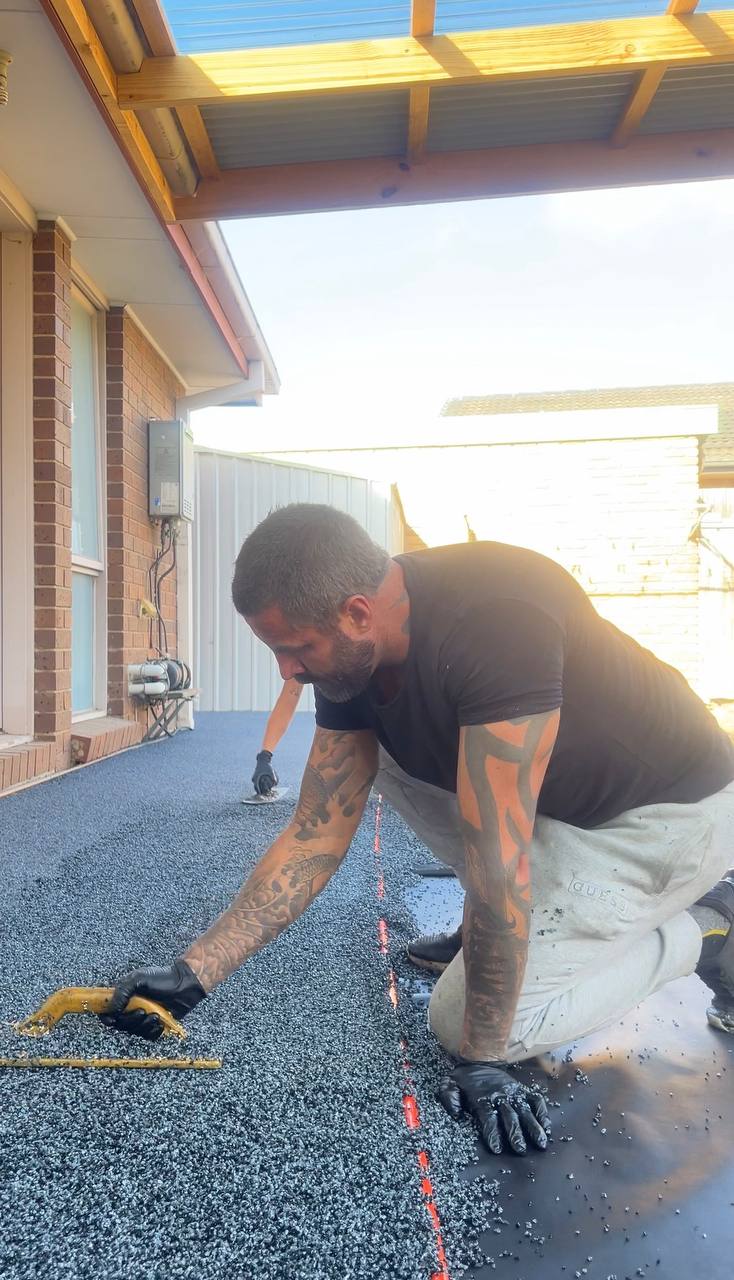
Written by Mitchell, Founder of Rubber Floor Solutions
Mitchell has 10+ years hands-on experience installing wetpour rubber flooring across Victoria. Installations for playgrounds, gyms, pools and equine facilities, with playground depth matched to fall height. Based in Melbourne, servicing all of Victoria.