When selecting rubber flooring for your home, playground, or commercial space, you'll quickly encounter two popular options: SBR (Styrene-Butadiene Rubber) and EPDM (Ethylene Propylene Diene Monomer). Both materials offer excellent performance, but understanding their differences is crucial for making the right choice for your Melbourne project.
What Is SBR Rubber?
SBR is a synthetic rubber compound made from styrene and butadiene. It's commonly used in applications where cost-effectiveness and durability are priorities. You'll find SBR in:
- Gym flooring and fitness centres
- Indoor commercial spaces
- Garage flooring
- Underlay for artificial turf
SBR rubber typically appears black or dark grey because it's often made from recycled rubber tyres, making it an environmentally friendly choice.
What Is EPDM Rubber?
EPDM is a premium synthetic rubber known for its superior weather resistance and colour stability. This material is manufactured from virgin rubber, which allows for:
- Vibrant, long-lasting colours
- Excellent UV resistance
- Superior weatherproofing
- Lower density and better cushioning
EPDM is the preferred choice for outdoor playgrounds, running tracks, and areas requiring colourful, fade-resistant surfaces.
Key Differences: SBR vs EPDM
UV and Weather Resistance
EPDM is the clear winner for outdoor applications. Melbourne's harsh UV rays can cause SBR rubber to fade, harden, and degrade over time. EPDM's molecular structure provides exceptional resistance to UV radiation, ozone, and extreme temperatures, making it ideal for our variable Melbourne climate.
SBR performs adequately outdoors in shaded areas but will deteriorate faster when exposed to direct sunlight. For indoor applications, this difference becomes negligible.
Colour Options and Aesthetics
EPDM offers virtually unlimited colour options that remain vibrant for years. This makes it perfect for:
- Colourful playground surfaces
- Decorative pathways
- Branded sports facilities
- Educational environments requiring colour-coded zones
SBR is typically limited to black, dark grey, or brown tones due to its recycled rubber content. However, some manufacturers offer coloured SBR options, though they won't match EPDM's vibrancy or longevity.
Cost Considerations
SBR is significantly more affordable, often costing 30-50% less than EPDM. This makes SBR an excellent choice for:
- Large indoor installations
- Budget-conscious projects
- Temporary or short-term applications
- Areas with minimal UV exposure
EPDM's higher initial cost is offset by its longer lifespan and minimal maintenance requirements, particularly in outdoor settings.
Durability and Lifespan
Both materials are highly durable, but their longevity depends on the environment:
Indoors: SBR and EPDM perform similarly, with both lasting 15-20+ years with proper maintenance.
Outdoors: EPDM can last 15-25 years, whilst SBR may need replacement after 8-12 years due to UV degradation.
Safety and Compliance
Both SBR and EPDM can meet Australian Standard AS 4422 for playground surfacing when installed correctly. The critical factor is the thickness and installation method, not necessarily the material type.
EPDM's lower density provides slightly better shock absorption per millimetre of thickness, which can be advantageous for playground critical fall heights.
Environmental Impact
SBR often contains recycled rubber from tyres, making it an eco-friendly option that diverts waste from landfills. EPDM is made from virgin materials but lasts longer, reducing replacement frequency and long-term environmental impact.
Which Should You Choose?
Choose SBR If:
- Your installation is primarily indoors
- Budget is a primary concern
- Colour variety isn't important
- You're covering large areas like gyms or warehouses
- The area receives minimal direct sunlight
Choose EPDM If:
- Your project is outdoors or receives significant UV exposure
- You need vibrant, long-lasting colours
- You're installing playground surfacing
- Long-term value outweighs initial cost
- You're in Melbourne's harsher sun-exposed areas
Melbourne-Specific Considerations
Melbourne's climate presents unique challenges with intense summer UV, temperature fluctuations, and occasional heavy rain. For outdoor installations, EPDM's weather resistance justifies the additional investment.
However, Melbourne's many indoor sports facilities, gyms, and commercial spaces are perfect candidates for cost-effective SBR rubber flooring.
Making Your Decision
The SBR vs EPDM decision ultimately depends on your specific application, budget, and longevity requirements. There's no universally "better" option—only the right choice for your particular needs.
For outdoor playgrounds, colourful sports surfaces, or UV-exposed areas, EPDM is worth the investment. For indoor gyms, garage flooring, or budget-conscious projects, SBR delivers excellent performance at a lower price point.
Still unsure which rubber flooring material suits your Melbourne project? Contact the experts at Rubber Floor Solutions for personalised advice and a free quote. We'll assess your specific requirements and recommend the optimal solution for your space.
References & Standards
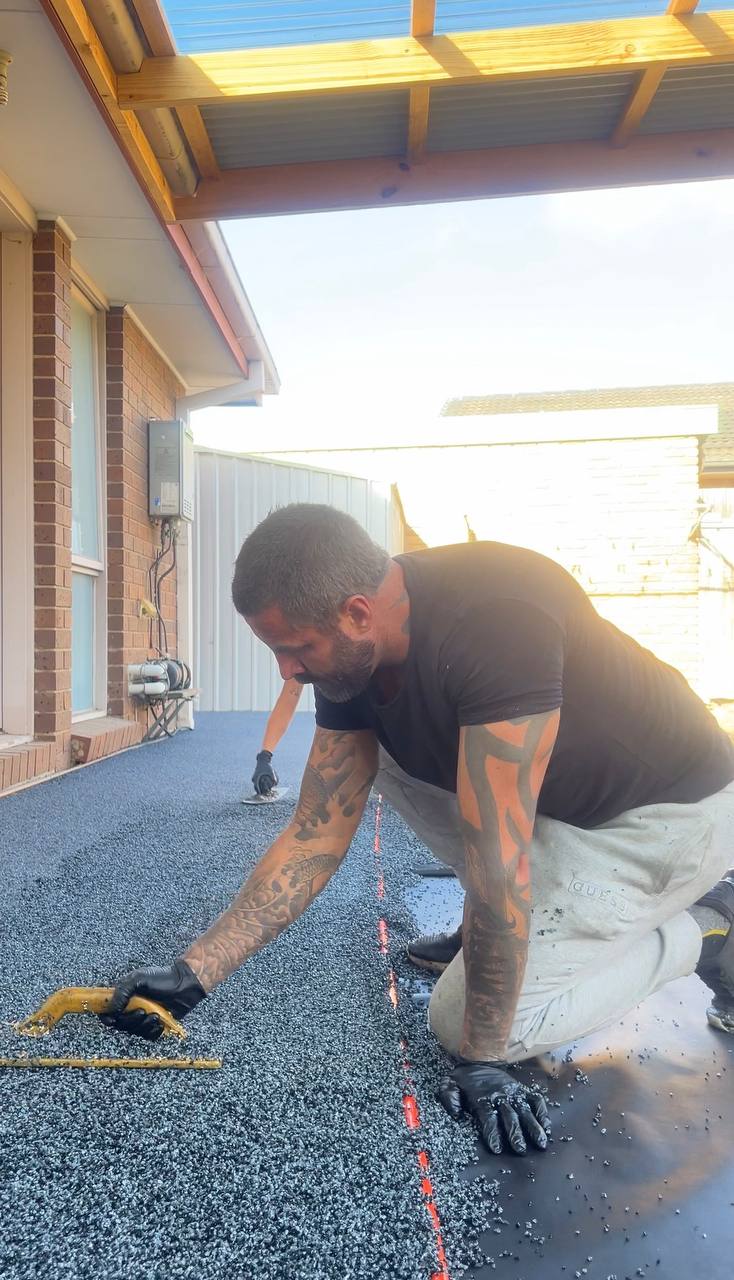
Written by Mitchell, Founder of Rubber Floor Solutions
Mitchell has 10+ years hands-on experience installing wetpour rubber flooring across Victoria. Installations for playgrounds, gyms, pools and equine facilities, with playground depth matched to fall height. Based in Melbourne, servicing all of Victoria.