When selecting rubber flooring for your Australian project, you'll likely encounter two popular options: SBR (Styrene-Butadiene Rubber) and EPDM (Ethylene Propylene Diene Monomer). Both materials offer excellent durability and versatility, but understanding their differences is crucial for making the right choice.
What Is SBR Rubber?
SBR is a synthetic rubber compound made from styrene and butadiene. It's one of the most commonly used rubber materials worldwide, particularly in automotive tyres and flooring applications. SBR rubber is often produced from recycled materials, making it an economical and environmentally conscious choice.
Key Characteristics of SBR:
- Excellent abrasion resistance
- Good shock absorption properties
- Cost-effective solution
- Strong tensile strength
- Available in various colours (though colour may fade with UV exposure)
What Is EPDM Rubber?
EPDM is a synthetic rubber made from ethylene and propylene. It's manufactured specifically for outdoor applications and is renowned for its superior weather resistance. EPDM is typically produced as virgin rubber, resulting in a more consistent and premium product.
Key Characteristics of EPDM:
- Outstanding UV and weather resistance
- Excellent colour stability
- Superior ozone resistance
- Extended lifespan in outdoor environments
- Maintains flexibility in extreme temperatures
SBR vs EPDM: The Critical Differences
1. UV and Weather Resistance
This is the most significant difference between the two materials. EPDM offers superior UV resistance, making it the preferred choice for outdoor applications in Melbourne's harsh sun. EPDM maintains its colour and structural integrity for years, even under direct sunlight.
SBR, whilst durable, will degrade more quickly when exposed to UV rays. The colour will fade, and the material may become brittle over time. For indoor applications, this isn't a concern, but outdoor installations require careful consideration.
2. Cost Considerations
SBR is generally 20-40% less expensive than EPDM. This cost difference reflects the manufacturing process and raw materials used. SBR often incorporates recycled rubber, reducing production costs, whilst EPDM is typically virgin rubber manufactured to higher specifications.
For budget-conscious projects or indoor installations, SBR offers excellent value. However, for outdoor areas, the longer lifespan of EPDM may offset the initial cost difference.
3. Durability and Lifespan
Both materials are highly durable, but in different environments:
- Indoor applications: SBR and EPDM perform similarly, with both lasting 10-15+ years
- Outdoor applications: EPDM can last 15-20+ years, whilst SBR typically lasts 5-10 years before showing significant wear
4. Colour Retention
EPDM maintains vibrant colours throughout its lifespan, even in full sun exposure. This makes it ideal for playgrounds, sports facilities, and decorative outdoor areas where aesthetics matter.
SBR colours will fade over time when exposed to UV light. Whilst this doesn't affect the material's performance, it may impact the visual appeal of your installation.
5. Environmental Conditions
Melbourne's variable weather patterns present unique challenges:
- Hot summers: EPDM handles heat better, maintaining flexibility up to 150°C
- UV exposure: EPDM resists degradation from Australia's intense UV levels
- Temperature fluctuations: EPDM remains stable across wider temperature ranges
- Wet conditions: Both materials offer excellent water resistance
Best Applications for Each Material
Choose SBR For:
- Indoor gym flooring and fitness centres
- Warehouse and commercial flooring
- Underlay and acoustic applications
- Budget-conscious projects
- Temporary or short-term installations
- Areas with minimal UV exposure
Choose EPDM For:
- Outdoor playgrounds (AS 4422 compliant installations)
- Sports courts and running tracks
- Pool surrounds and wet areas
- Rooftop terraces and balconies
- Any outdoor area requiring colour retention
- Long-term outdoor installations
Australian Standards Compliance
For playground installations in Australia, AS 4422 sets the critical fall height requirements. Both SBR and EPDM can meet these standards when installed at appropriate thicknesses. However, EPDM's superior weather resistance ensures the surface maintains its shock-absorbing properties longer in outdoor environments.
Making Your Decision
The choice between SBR and EPDM ultimately depends on your specific requirements:
Budget-focused? SBR offers excellent value for indoor applications.
Outdoor installation? EPDM's superior UV resistance makes it the clear choice for Melbourne's climate.
Colour important? EPDM maintains vibrant colours indefinitely.
Long-term investment? EPDM's extended lifespan provides better value over time for outdoor areas.
Expert Advice for Melbourne Projects
At Rubber Floor Solutions, we've installed both SBR and EPDM surfaces across Melbourne. Our recommendation: don't compromise on outdoor installations. Melbourne's UV levels are among the highest globally, and the initial savings from SBR will be offset by earlier replacement costs.
For indoor projects, SBR provides outstanding performance at a competitive price point. The material's excellent shock absorption and durability make it ideal for gyms, commercial spaces, and indoor recreational areas.
Need help deciding which material suits your project? Contact our team for a personalised assessment and obligation-free quote. We'll evaluate your specific requirements, location, and budget to recommend the optimal solution.
References & Standards
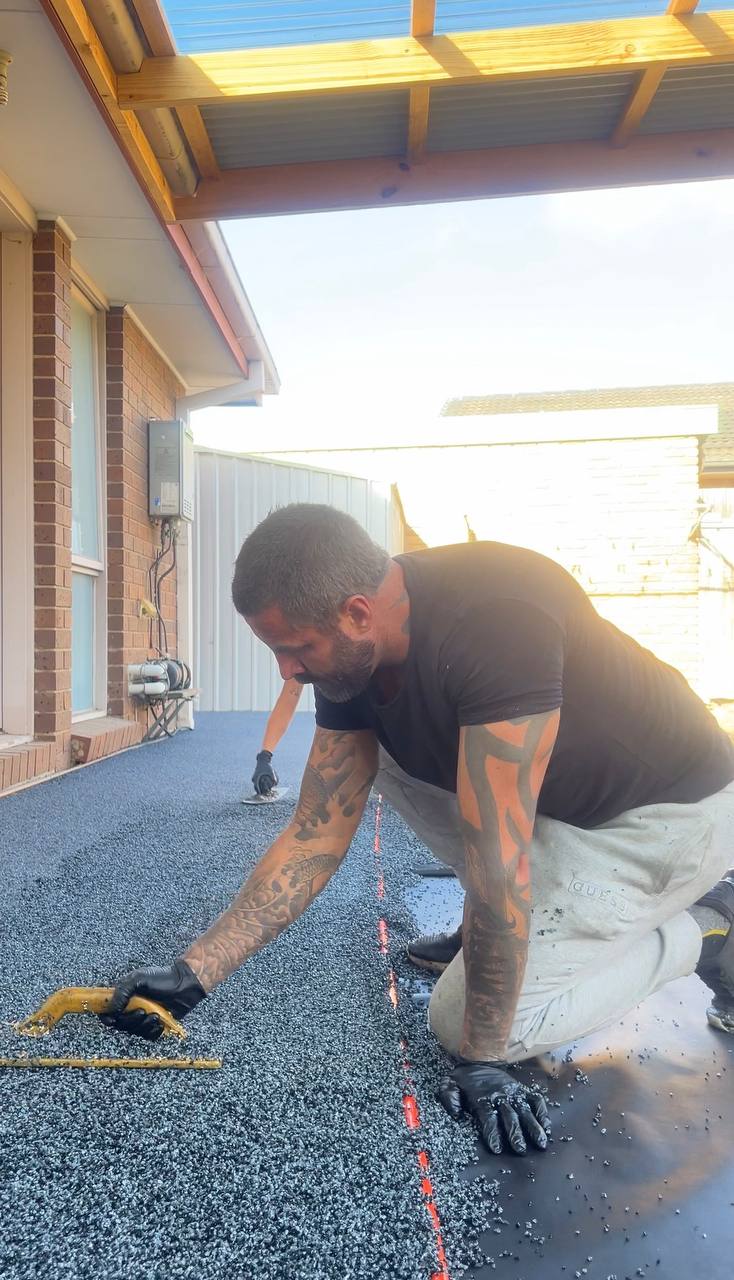
Written by Mitchell, Founder of Rubber Floor Solutions
Mitchell has 10+ years hands-on experience installing wetpour rubber flooring across Victoria. Installations for playgrounds, gyms, pools and equine facilities, with playground depth matched to fall height. Based in Melbourne, servicing all of Victoria.