When choosing rubber flooring for your Melbourne property, you'll quickly encounter two popular options: SBR (Styrene-Butadiene Rubber) and EPDM (Ethylene Propylene Diene Monomer). Both offer excellent performance, but understanding their differences is crucial for making the right investment.
What Is SBR Rubber?
SBR is a synthetic rubber compound made from styrene and butadiene. It's the most commonly used rubber in commercial applications, including:
- Gym flooring and weight rooms
- Commercial playgrounds
- Underlay for artificial turf
- Industrial matting
SBR typically appears in black, as it's often made from recycled tyres. This makes it an environmentally friendly and cost-effective choice for large-scale projects.
What Is EPDM Rubber?
EPDM is a synthetic rubber made from ethylene, propylene, and a diene monomer. It's known for its superior weather resistance and vibrant colour options. Common applications include:
- Colourful playground surfaces
- Outdoor recreational areas
- Decorative pathways
- Roofing membranes
EPDM granules can be manufactured in virtually any colour, making them ideal for creating attractive, branded, or themed spaces.
Key Differences Between SBR and EPDM
UV and Weather Resistance
EPDM wins for outdoor applications. EPDM offers exceptional UV resistance and won't fade significantly under Melbourne's harsh sun. It maintains its colour and structural integrity through extreme temperature variations, from scorching summer days to frosty winter mornings.
SBR, while durable, can degrade faster under prolonged UV exposure. Black SBR surfaces may become brittle over time and can get quite hot during summer, potentially reaching uncomfortable temperatures for bare feet.
Colour Options and Aesthetics
EPDM offers unlimited design possibilities. Available in red, blue, green, yellow, and custom colours, EPDM allows you to create visually appealing spaces that match branding or create engaging play environments.
SBR is predominantly black, though brown and tan options exist. For projects where aesthetics are secondary to function and budget, SBR's limited colour range isn't a drawback.
Cost Comparison
SBR is more budget-friendly. Expect to pay approximately 30-50% less for SBR compared to EPDM. For a typical 100m² playground installation in Melbourne:
- SBR: $80-$120 per square metre installed
- EPDM: $120-$180 per square metre installed
These prices vary based on thickness, fall height requirements per AS 4422, and site preparation needs.
Durability and Lifespan
Both offer excellent durability with proper installation. EPDM typically lasts 12-15 years in outdoor applications, while SBR may last 8-12 years depending on UV exposure and maintenance.
For indoor applications like gyms, both materials can last 15+ years with minimal degradation.
Shock Absorption and Safety
Both SBR and EPDM provide excellent impact attenuation when properly installed. For playground applications meeting AS 4422 standards, the critical fall height depends on the total system thickness and density—not the rubber type itself.
EPDM may offer slightly better long-term shock absorption in outdoor settings due to its superior weather resistance, maintaining consistent performance characteristics over time.
Environmental Considerations
SBR is often more sustainable. Most SBR flooring incorporates recycled tyre rubber, diverting waste from landfills. This makes it an excellent choice for environmentally conscious projects.
EPDM is typically made from virgin materials, though some manufacturers now offer recycled EPDM options. Both materials are recyclable at end-of-life.
Which Should You Choose?
Choose SBR If:
- Budget is a primary concern
- The installation is indoors or partially shaded
- Aesthetics aren't critical (gyms, industrial areas)
- You want maximum environmental benefits from recycled content
- You're installing underlay beneath artificial turf
Choose EPDM If:
- The surface will receive direct sunlight
- You need specific colours for branding or design
- Maximum longevity is important
- The area experiences extreme Melbourne weather exposure
- You're creating a children's playground with visual appeal
Can You Mix SBR and EPDM?
Yes! Many Melbourne installers use a hybrid approach: an SBR base layer (for economy and shock absorption) topped with an EPDM wear layer (for colour and UV protection). This combination offers the best of both worlds—cost savings with aesthetic appeal and durability.
Australian Standards Compliance
Whether you choose SBR or EPDM, ensure your installation complies with AS 4422 for playground surfacing. Both materials can meet these standards when properly specified and installed by qualified professionals.
The rubber type matters less than the total system design, including thickness, density, and proper substrate preparation.
Maintenance Requirements
Both SBR and EPDM require minimal maintenance:
- Regular sweeping or blowing to remove debris
- Periodic washing with mild detergent
- Annual inspection for wear or damage
- Prompt repair of any tears or separations
EPDM may require slightly less frequent cleaning as its smooth surface doesn't trap dirt as readily as some SBR textures.
Making Your Decision
The choice between SBR and EPDM ultimately depends on your specific project requirements, budget, and priorities. For outdoor Melbourne installations where appearance and longevity matter, EPDM justifies the additional investment. For indoor applications or budget-conscious projects, SBR delivers excellent performance at lower cost.
Consult with experienced rubber flooring installers who understand Melbourne's climate and can recommend the best solution for your needs. Request samples of both materials to see and feel the difference firsthand before making your final decision.
References & Standards
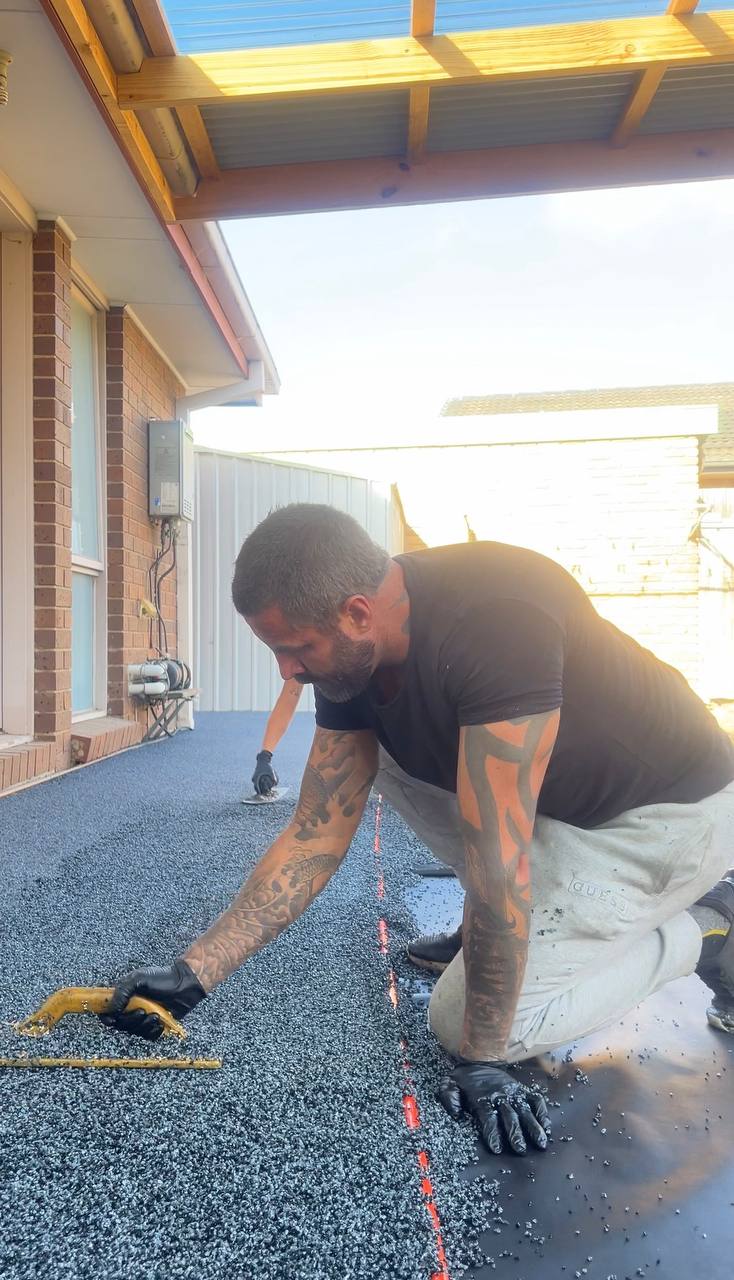
Written by Mitchell, Founder of Rubber Floor Solutions
Mitchell has 10+ years hands-on experience installing wetpour rubber flooring across Victoria. Installations for playgrounds, gyms, pools and equine facilities, with playground depth matched to fall height. Based in Melbourne, servicing all of Victoria.