If you're comparing SBR vs EPDM rubber flooring, you've probably noticed that both look similar on a spec sheet but perform very differently once installed. Here in Melbourne, where we can get four seasons in one day, choosing the right material matters. This guide breaks down the key differences so you can make a confident decision.
What Is SBR Rubber?
SBR (Styrene Butadiene Rubber) is a synthetic rubber, most commonly sourced from recycled car and truck tyres. The tyres are granulated, the steel and fibre removed, and the crumb is bonded with polyurethane binder to create tiles, rolls and wet-pour base layers.
SBR is the workhorse of the rubber flooring world. It is affordable, durable and environmentally friendly thanks to its recycled content.
What Is EPDM Rubber?
EPDM (Ethylene Propylene Diene Monomer) is a virgin synthetic rubber manufactured specifically for outdoor performance. It is produced as coloured granules and is commonly used as the wear layer in wet-pour surfacing, as well as in some tiles and mats.
Because it is made with colour-stable compounds, EPDM is the go-to choice for vibrant, long-lasting surfaces.
SBR vs EPDM: Key Differences
1. Colour and Appearance
- SBR: Naturally black. It can be coated or speckled with colour, but coloured SBR will fade faster under UV exposure.
- EPDM: Colour runs through the granule, so you get bright reds, blues, greens and custom blends that hold up well over time.
2. UV and Weather Resistance
Melbourne summers can deliver intense UV, and our winters bring persistent rain. EPDM has excellent UV, ozone and weather resistance, so it resists cracking, chalking and fading. SBR performs well structurally, but its surface can degrade and fade faster when fully exposed to the sun, particularly if it is coloured.
3. Cost
- SBR: Typically the more budget-friendly option, making it ideal for large areas.
- EPDM: Costs more per square metre, but that premium buys longevity and colour retention.
4. Durability and Lifespan
Both materials are tough. SBR handles heavy loads and impact well, which is why it suits gyms and underlays. EPDM tends to maintain its appearance and surface integrity longer outdoors, often making it the better long-term value in exposed locations.
5. Impact Absorption and Safety
Both can deliver excellent shock absorption when installed at the correct thickness. For playgrounds, the key is critical fall height (CFH) testing under AS 4422 and the relevant AS/NZS 1176 requirements. A common, compliant system uses an SBR base layer for cushioning with an EPDM wear course on top, which balances cost and performance.
6. Slip Resistance and Drainage
Both materials can be porous when installed as wet-pour or permeable tiles, helping water drain quickly after Melbourne downpours. This reduces puddling, slippery patches and mould growth. Always confirm slip ratings for your specific product and application.
7. Smell and Indoor Use
Recycled SBR can have a noticeable tyre odour, especially when new. This usually fades, but it is worth considering for enclosed spaces. EPDM generally has a milder smell, though indoor ventilation is still important during installation.
Which Should You Choose?
Choose SBR for:
- Home and commercial gyms
- Sheltered or indoor areas
- Shock-absorbing base layers under playground surfaces
- Budget-conscious, large-scale projects
- Projects prioritising recycled content
Choose EPDM for:
- Playgrounds and schools where colour matters
- Fully exposed outdoor areas, pool surrounds and patios
- Splash parks and wet areas
- Feature surfaces and custom designs
- Projects where long-term appearance is a priority
Can You Combine SBR and EPDM?
Yes, and this is often the smartest approach. A two-layer wet-pour system uses an SBR cushion base for impact absorption and an EPDM top layer for colour, UV stability and a smooth finish. You get the cost savings of recycled rubber with the visual and weather performance of EPDM.
Practical Tips for Melbourne Installations
- Prepare the base properly. A stable, well-drained concrete or compacted substrate prevents lifting and pooling.
- Consider shade. If your area gets full afternoon sun, lean towards EPDM for colour retention.
- Check compliance. For playgrounds, ask for CFH test certificates aligned with AS 4422.
- Plan for maintenance. Sweep regularly, clear leaves and debris, and wash with mild detergent. Avoid harsh solvents.
- Use a qualified installer. Binder ratios, thickness and curing conditions all affect performance, especially with Melbourne's variable weather.
The Bottom Line
There's no single winner in the SBR vs EPDM debate. SBR delivers affordability, strength and sustainability, while EPDM offers superior colour, UV resistance and a premium finish. For many projects, a combination of both provides the best value.
Not sure which suits your space? Contact Rubber Floor Solutions for a free consultation and quote. We'll assess your site, budget and compliance needs and recommend the right rubber flooring for your Melbourne project.
References & Standards
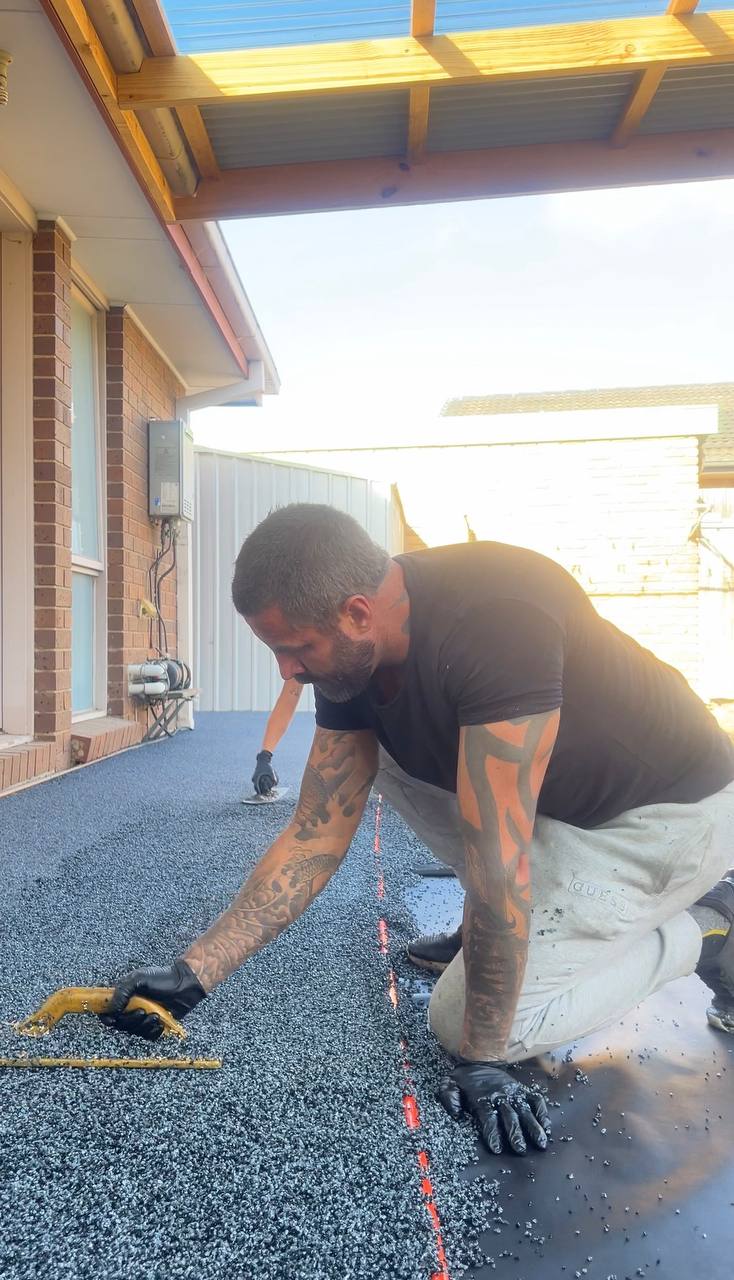
Written by Mitchell, Founder of Rubber Floor Solutions
Mitchell has 10+ years hands-on experience installing wetpour rubber flooring across Victoria. Installations for playgrounds, gyms, pools and equine facilities, with playground depth matched to fall height. Based in Melbourne, servicing all of Victoria.