If you're researching rubber flooring, you've almost certainly come across two acronyms: SBR and EPDM. They sound technical, but the difference matters, especially in Melbourne, where a surface can face blazing summer sun, heavy winter rain and everything in between. This guide breaks down SBR vs EPDM so you can choose with confidence.
What Are SBR and EPDM?
SBR (Styrene Butadiene Rubber)
SBR is the rubber most commonly made from recycled tyres. The granules are black or dark grey and are bound together with polyurethane to create mats, tiles or poured surfaces. It's tough, affordable and environmentally friendly because it diverts waste tyres from landfill.
EPDM (Ethylene Propylene Diene Monomer)
EPDM is a virgin synthetic rubber manufactured specifically for outdoor performance. It's produced in a wide range of vibrant colours, including red, green, blue, terracotta and beige. EPDM granules are often used as a wearing course over an SBR base layer in playgrounds.
SBR vs EPDM at a Glance
- Cost: SBR is more affordable; EPDM costs more due to virgin material and pigments.
- Colour: SBR is mostly black or speckled; EPDM offers bright, vivid colours.
- UV resistance: EPDM performs better and holds colour longer; SBR can fade and chalk over time in direct sun.
- Durability: Both are hard-wearing, though EPDM typically has better long-term weathering performance.
- Sustainability: SBR wins with its recycled content.
- Odour: SBR can have a noticeable rubber smell initially, especially indoors; EPDM has little odour.
Performance in Melbourne Conditions
Melbourne's "four seasons in one day" climate is tough on outdoor surfaces. Summer UV is intense, and rain is frequent. Here's how each material copes:
- Sun exposure: EPDM's UV stability means colours stay bright for years. Uncoated SBR may fade to a greyish tone, though a UV-stable top layer or sealer helps.
- Rain and drainage: Both are available in porous, permeable systems that drain well, reducing puddles and slip risk.
- Temperature swings: Both remain flexible in cold weather and resist cracking, unlike concrete or hard plastics.
Tip: Dark surfaces absorb more heat. In full sun, lighter EPDM colours (such as beige or light green) stay noticeably cooler underfoot than black SBR.
Playgrounds and AS 4422 Compliance
For playgrounds, surfacing must comply with AS 4422 (Playground surfacing – Specifications, requirements and test method) and be tested for critical fall height in line with AS 4685. Both SBR and EPDM can meet these requirements when installed at the correct thickness.
Most commercial playground installations use a two-layer system:
- An SBR base layer for impact absorption (thickness depends on fall height).
- An EPDM wearing course on top for colour, UV resilience and a smooth finish.
This combination gives you the cost efficiency of recycled rubber where it counts, and the visual appeal and durability of EPDM where it shows.
Best Uses for SBR
- Gym and fitness floors: Heavy-duty rolls and tiles for weights areas.
- Shock-absorbing underlay: Base layers beneath EPDM or artificial turf.
- Commercial and industrial areas: Walkways, loading zones and workshops.
- Budget-conscious projects: Where colour isn't a priority.
- Sustainable builds: Where recycled content is a selling point.
Best Uses for EPDM
- Playgrounds and school grounds: Colourful, safe and long-lasting.
- Pool surrounds and patios: Slip-resistant and comfortable underfoot.
- Childcare centres: Bright, inviting and low odour.
- Residential driveways, paths and decks: Attractive finishes that complement landscaping.
- Parks and public spaces: Where aesthetics and longevity both matter.
Cost Considerations
SBR is generally the lower-cost option, making it ideal for large areas or hidden base layers. EPDM carries a premium, but its colour retention and longevity can reduce replacement and maintenance costs over time. When comparing quotes, consider total lifecycle value rather than just the upfront price per square metre.
Maintenance
Both materials are easy to look after:
- Sweep or blow off leaves and debris regularly (important under Melbourne's deciduous trees).
- Hose down and use mild detergent for stains.
- Avoid harsh solvents and petrol-based chemicals.
- Inspect seams and edges annually for lifting or wear, particularly in high-traffic areas.
Which Should You Choose?
Choose SBR if you want an affordable, durable and eco-friendly surface, particularly for gyms, underlays or industrial use. Choose EPDM if you need vibrant colours, superior UV resistance and a premium finish for outdoor areas. For playgrounds, a combination of both is usually the smartest solution.
Get Expert Advice in Melbourne
Every site is different, from soil conditions and drainage to fall heights and sun exposure. The team at Rubber Floor Solutions can assess your space, recommend the right system and ensure your installation meets Australian standards. Contact us today for a free quote and find out whether SBR, EPDM or a combination is the best fit for your project.
References & Standards
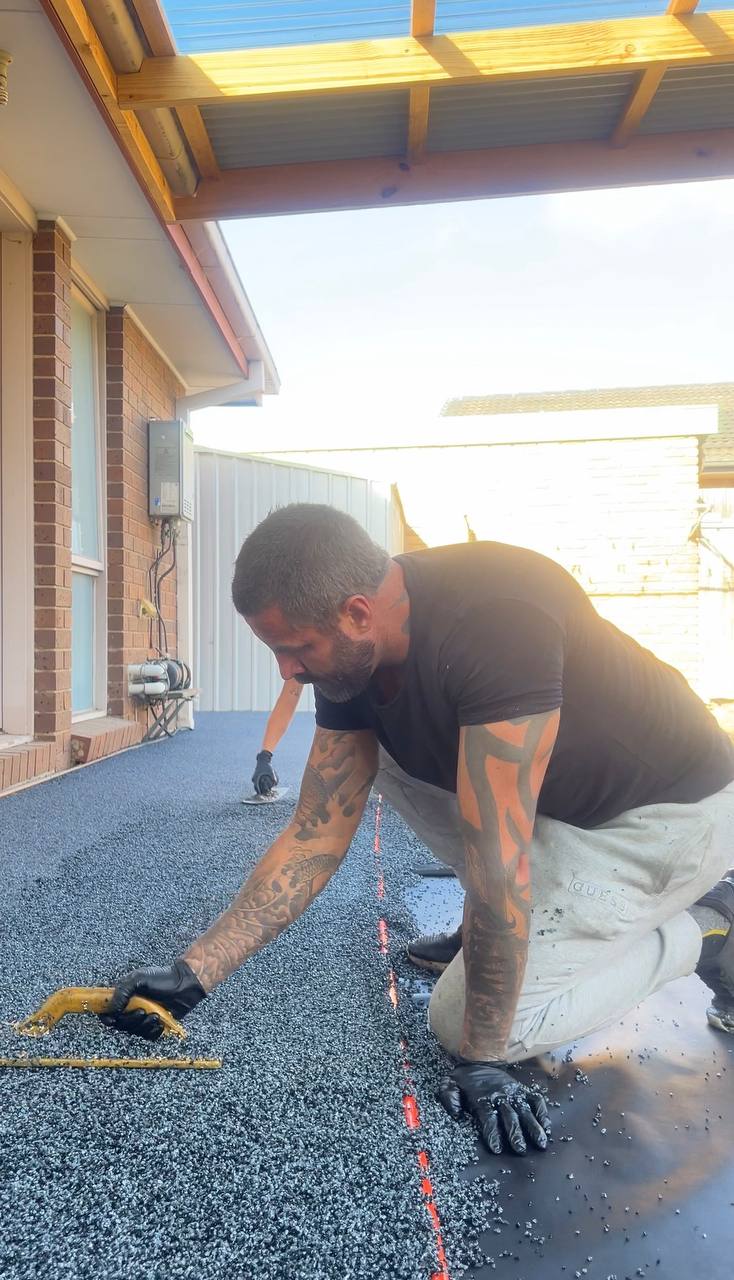
Written by Mitchell, Founder of Rubber Floor Solutions
Mitchell has 10+ years hands-on experience installing wetpour rubber flooring across Victoria. Installations for playgrounds, gyms, pools and equine facilities, with playground depth matched to fall height. Based in Melbourne, servicing all of Victoria.