When selecting rubber flooring for your home, playground, or commercial space, you'll quickly encounter two popular options: SBR (Styrene-Butadiene Rubber) and EPDM (Ethylene Propylene Diene Monomer). Both offer excellent performance, but understanding their differences is crucial for making the right choice for your Melbourne property.
What Is SBR Rubber?
SBR is a synthetic rubber created from styrene and butadiene. It's widely used in rubber flooring, particularly for gym mats, indoor surfaces, and playground tiles. SBR is known for its:
- Excellent abrasion resistance
- High tensile strength
- Cost-effectiveness
- Good shock absorption properties
Most black rubber flooring products you'll find are made from SBR, often using recycled rubber from old tyres, making it an environmentally friendly option.
What Is EPDM Rubber?
EPDM is a synthetic rubber made from ethylene and propylene. It's the premium choice for outdoor applications and coloured rubber surfaces. EPDM stands out for its:
- Superior UV resistance
- Excellent weather resistance
- Wide range of vibrant colours
- Longer lifespan in outdoor conditions
EPDM granules are commonly used in playground surfacing, running tracks, and outdoor recreational areas where colour and longevity matter.
Key Differences: SBR vs EPDM
UV and Weather Resistance
EPDM wins here. Melbourne's harsh UV rays and variable weather conditions can degrade SBR over time, causing it to harden, crack, and fade. EPDM maintains its flexibility and colour even after years of sun exposure, making it ideal for outdoor installations like playground surfaces that must meet AS 4422 standards.
SBR is better suited for indoor applications or covered outdoor areas where UV exposure is limited.
Cost Considerations
SBR is more budget-friendly. If you're working with a tight budget, SBR rubber flooring typically costs 20-40% less than EPDM. This makes SBR an attractive option for large indoor projects like commercial gyms, warehouses, or home fitness areas.
EPDM's higher price reflects its superior durability and aesthetic options, representing a better long-term investment for outdoor applications.
Colour Options
EPDM offers unlimited colour possibilities. While SBR is predominantly available in black (with occasional brown or grey options), EPDM can be manufactured in virtually any colour. This makes EPDM the go-to choice for:
- Colourful playground surfaces
- Branded sports facilities
- Decorative outdoor spaces
- Safety markings and zones
Durability and Lifespan
In indoor environments, both materials perform admirably with similar lifespans of 10-15 years. However, outdoors in Melbourne's climate:
EPDM lasts significantly longer – typically 15-20 years compared to SBR's 5-10 years in direct sunlight. The investment in EPDM often pays for itself through reduced replacement costs.
Environmental Impact
Both materials can be environmentally responsible choices. SBR often incorporates recycled tyre rubber, diverting waste from landfills. EPDM, while typically made from virgin materials, lasts longer and reduces the frequency of replacements.
Best Applications for Each Material
Choose SBR For:
- Indoor gyms and fitness centres
- Home garage flooring
- Covered outdoor areas
- Warehouse and industrial flooring
- Budget-conscious projects
- Temporary installations
Choose EPDM For:
- Outdoor playgrounds (AS 4422 compliant)
- Running tracks and sports surfaces
- Pool surrounds and wet areas
- Outdoor recreational spaces
- Projects requiring specific colours
- High-traffic outdoor areas
Maintenance Requirements
Both SBR and EPDM are relatively low-maintenance, but there are differences:
SBR: Regular sweeping and occasional mopping with mild detergent keeps it looking good. Indoors, it requires minimal upkeep.
EPDM: More resistant to staining and easier to clean. Coloured EPDM surfaces maintain their appearance with basic cleaning, while SBR may show dirt more readily.
Making Your Decision
The choice between SBR and EPDM ultimately depends on your specific needs:
Choose SBR if: You're installing indoors, working with a limited budget, and don't require specific colours. It's a practical, cost-effective solution that performs excellently in protected environments.
Choose EPDM if: You're installing outdoors in Melbourne's challenging climate, need colour options, or want maximum longevity. The higher upfront cost delivers better long-term value for outdoor applications.
Hybrid Solutions
Many modern rubber flooring products combine both materials. A common approach uses an SBR base layer for cost-effectiveness with an EPDM top layer for UV protection and colour. This hybrid solution offers excellent value for outdoor installations.
Final Thoughts
Both SBR and EPDM rubber flooring have their place in residential and commercial applications. Understanding their strengths helps you make an informed decision that balances performance, aesthetics, and budget. For Melbourne properties, consider the installation location, sun exposure, colour requirements, and long-term costs when choosing between these two excellent rubber flooring options.
Need expert advice on which rubber flooring is right for your project? Contact a local Melbourne rubber flooring specialist who can assess your specific requirements and recommend the best solution for your needs.
References & Standards
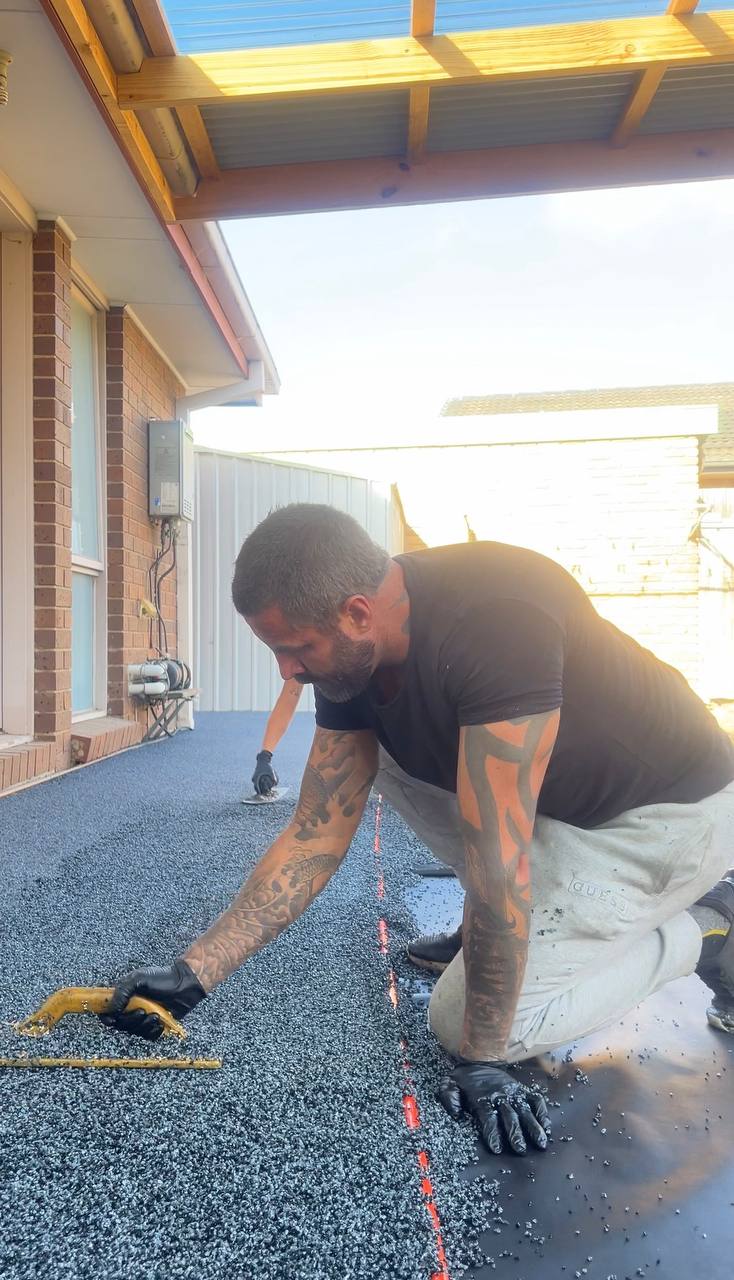
Written by Mitchell, Founder of Rubber Floor Solutions
Mitchell has 10+ years hands-on experience installing wetpour rubber flooring across Victoria. Installations for playgrounds, gyms, pools and equine facilities, with playground depth matched to fall height. Based in Melbourne, servicing all of Victoria.