When selecting rubber flooring for your home, playground, or commercial space, you'll likely encounter two popular options: SBR (Styrene-Butadiene Rubber) and EPDM (Ethylene Propylene Diene Monomer). Both materials offer excellent performance, but understanding their differences is crucial for making the right choice for your Melbourne project.
What Is SBR Rubber?
SBR is a synthetic rubber made from styrene and butadiene polymers. It's commonly used in tyres, conveyor belts, and rubber flooring applications. SBR rubber flooring is typically made from recycled rubber tyres, making it an environmentally friendly and cost-effective option.
Key Characteristics of SBR:
- Cost-effective: Generally 20-30% cheaper than EPDM
- Excellent shock absorption: Ideal for high-impact areas
- Good abrasion resistance: Withstands heavy foot traffic
- Recycled content: Often made from reclaimed tyres
- Black or dark colours: Limited colour options due to recycled content
What Is EPDM Rubber?
EPDM is a synthetic rubber made from ethylene, propylene, and a diene monomer. It's manufactured specifically for flooring applications and offers superior weather resistance. EPDM is considered a premium rubber flooring option with enhanced performance characteristics.
Key Characteristics of EPDM:
- UV resistant: Won't fade or degrade in direct sunlight
- Weather resistant: Performs excellently in extreme temperatures
- Vibrant colours: Available in a wide range of permanent colours
- Non-marking: Won't leave black marks on surfaces
- Longer lifespan: Maintains integrity for 15-20+ years
SBR vs EPDM: Direct Comparison
UV and Weather Resistance
Winner: EPDM
Melbourne's variable weather conditions, from scorching summer days to wet winters, demand durable materials. EPDM excels in UV resistance, maintaining its colour and structural integrity even with prolonged sun exposure. SBR, while durable, can fade and become brittle over time when exposed to direct sunlight, making it less suitable for outdoor applications in full sun.
Colour Options
Winner: EPDM
EPDM rubber is available in vibrant, permanent colours including red, blue, green, terracotta, and more. These colours are integrated throughout the material, not just surface-applied. SBR is typically limited to black or dark grey due to its recycled tyre content, though some coloured options using virgin SBR are available at higher costs.
Cost Considerations
Winner: SBR
SBR rubber flooring is significantly more affordable, making it ideal for budget-conscious projects or large areas where colour isn't a priority. Expect to pay approximately $40-70 per square metre for SBR tiles or pavers, compared to $60-110 per square metre for EPDM alternatives.
Durability and Longevity
Winner: EPDM
While both materials are durable, EPDM's resistance to ozone, oxidation, and weathering gives it a longer lifespan. In covered or indoor applications, both materials perform similarly, but outdoor installations in Melbourne's climate favour EPDM for longevity.
Environmental Impact
Winner: SBR
SBR made from recycled tyres diverts waste from landfills and reduces the environmental footprint. EPDM, being virgin rubber, requires more resources to manufacture, though it's fully recyclable at end-of-life.
Best Applications for Each Material
Choose SBR When:
- Budget is a primary concern
- Installing in covered or indoor areas (gyms, garages, workshops)
- Colour isn't important (black is acceptable)
- You need excellent shock absorption for weightlifting areas
- Environmental sustainability through recycling is a priority
Choose EPDM When:
- Installing outdoor playgrounds exposed to sunlight
- Colour coordination is important for aesthetics or safety zones
- UV resistance is critical (Melbourne's harsh summer sun)
- You need compliance with AS 4422 for playground surfacing with specific colour-coding
- Long-term investment and minimal maintenance are priorities
- Non-marking properties are essential (around pools or light-coloured surfaces)
Compliance with Australian Standards
Both SBR and EPDM can meet AS 4422 requirements for playground surfacing when properly installed with adequate thickness for critical fall heights. However, EPDM's colour options make it easier to implement colour-coded safety zones and age-appropriate play areas as recommended in playground design guidelines.
Making Your Decision
The choice between SBR and EPDM ultimately depends on your specific needs, budget, and installation location. For outdoor Melbourne playgrounds, sports courts, or areas with significant sun exposure, EPDM's superior UV resistance justifies the additional investment. For indoor gyms, covered areas, or budget-conscious projects where black flooring is acceptable, SBR provides excellent value and performance.
Consider consulting with a rubber flooring specialist who understands Melbourne's climate conditions and can assess your specific site requirements. At Rubber Floor Solutions, we help clients navigate these choices to ensure you get the best material for your application and budget.
Still Unsure?
Both SBR and EPDM offer excellent performance characteristics, and in many applications, either material will serve you well. The key is matching the material's strengths to your project's specific demands, whether that's cost-effectiveness, colour requirements, UV resistance, or longevity.
References & Standards
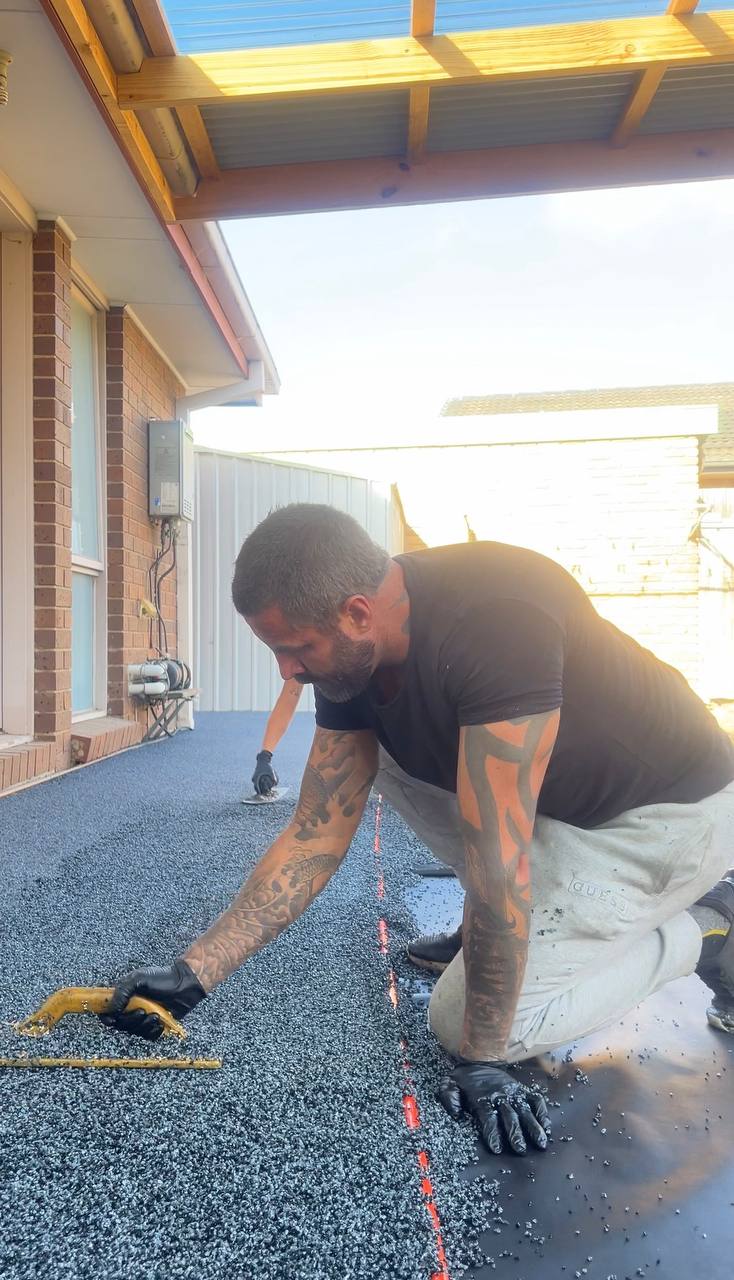
Written by Mitchell, Founder of Rubber Floor Solutions
Mitchell has 10+ years hands-on experience installing wetpour rubber flooring across Victoria. AS 4422 compliant installations for playgrounds, gyms, pools and equine facilities. Based in Melbourne, servicing all of Victoria.