If you're comparing SBR vs EPDM rubber flooring, you're asking the right question. Both are popular across Melbourne, but they're made differently, perform differently and suit different jobs. This guide breaks down the key differences so you can choose with confidence.
What Is SBR Rubber?
SBR stands for styrene butadiene rubber. In flooring, it usually refers to recycled rubber granules, most often sourced from used car and truck tyres. The granules are bound together with a polyurethane binder to form tiles, rolls or poured-in-place surfaces.
SBR is typically black or dark grey, and it's the budget-friendly workhorse of the rubber flooring world. It's also an environmentally positive choice, because it diverts end-of-life tyres from landfill.
What Is EPDM Rubber?
EPDM stands for ethylene propylene diene monomer. It's a virgin synthetic rubber manufactured specifically for outdoor performance. EPDM granules are produced in a wide range of vibrant colours, including reds, blues, greens, terracotta and beige, and are commonly used as a wearing course over an SBR base layer.
SBR vs EPDM: Key Differences
1. Colour and Appearance
SBR is limited mostly to black, though some products have flecks of colour added. EPDM offers a full palette and allows custom designs, logos, line markings and play patterns. If aesthetics matter, EPDM wins.
2. UV and Weather Resistance
Melbourne's "four seasons in one day" climate, combined with strong Australian summer UV, is tough on outdoor surfaces. EPDM is inherently UV stable and holds its colour far longer. SBR can fade, chalk and become more brittle when exposed to prolonged sunlight, particularly in uncovered areas.
3. Durability
Both materials are hard-wearing. EPDM generally has better long-term resistance to ozone, heat, cold and moisture, making it ideal for exposed outdoor installations. SBR performs extremely well indoors and in sheltered spaces, such as gyms, garages and covered walkways.
4. Cost
SBR is the more affordable option because it uses recycled material. EPDM costs more upfront due to its virgin rubber and colour pigments. However, the longer outdoor lifespan of EPDM can offset the initial investment over time.
5. Safety and Impact Absorption
Both materials can deliver excellent shock absorption when installed at the correct thickness. For playgrounds, surfacing must meet AS 4422 (Playground surfacing – Specifications, requirements and test method) and be tested for critical fall height. A common system is an SBR cushion base topped with a 10–15 mm EPDM wearing layer, combining affordability with colour and UV stability.
6. Odour and Heat
Recycled SBR can have a noticeable rubber smell, especially when new or in warm, enclosed areas. EPDM has minimal odour. Dark surfaces of either type can get hot in direct summer sun, though lighter EPDM colours tend to stay cooler than black SBR.
Quick Comparison Table
- Material: SBR is recycled tyre rubber; EPDM is virgin synthetic rubber.
- Colour range: SBR is limited; EPDM is extensive.
- UV resistance: SBR is moderate; EPDM is excellent.
- Cost: SBR is lower; EPDM is higher.
- Best for: SBR suits gyms, sheds and sheltered areas; EPDM suits playgrounds, pool surrounds and outdoor spaces.
Which Should You Choose?
Choose SBR if:
- You're flooring a home gym, garage, workshop or commercial fitness space.
- Budget is a priority.
- The area is indoors or undercover.
- You want a sustainable, recycled product.
Choose EPDM if:
- The surface is outdoors and fully exposed to Melbourne's sun and rain.
- You want bright, lasting colours or custom designs.
- You're installing a school, childcare or council playground.
- You need a slip-resistant surface around pools or entertaining areas.
Consider a combination if:
Many outdoor projects use both. An SBR base provides cushioning and cost efficiency, while an EPDM top layer delivers colour, UV protection and a clean finish. This is the standard approach for poured-in-place playground surfacing.
Practical Tips Before You Buy
- Check compliance: For playgrounds, ask for AS 4422 test certification and the critical fall height rating for your equipment.
- Plan for drainage: Melbourne's rainfall means a well-prepared, free-draining sub-base is essential to prevent pooling and premature wear.
- Think about maintenance: Both are low maintenance. Sweep regularly, remove leaf litter and wash occasionally with mild detergent and water.
- Use professional installers: Correct binder ratios, curing times and surface preparation make a major difference to lifespan.
- Consider the whole-of-life cost: The cheapest option isn't always the best value if it needs replacing sooner.
The Bottom Line
There's no single winner in the SBR vs EPDM debate. SBR is the cost-effective, eco-friendly choice for indoor and sheltered spaces. EPDM is the premium option for outdoor areas where colour retention, UV stability and appearance matter. For many Melbourne playgrounds and public spaces, combining the two gives the best balance of safety, performance and price.
Not sure which suits your project? Contact the team at Rubber Floor Solutions for a free consultation and quote. We'll help you choose the right rubber flooring for your space, budget and Melbourne's conditions.
References & Standards
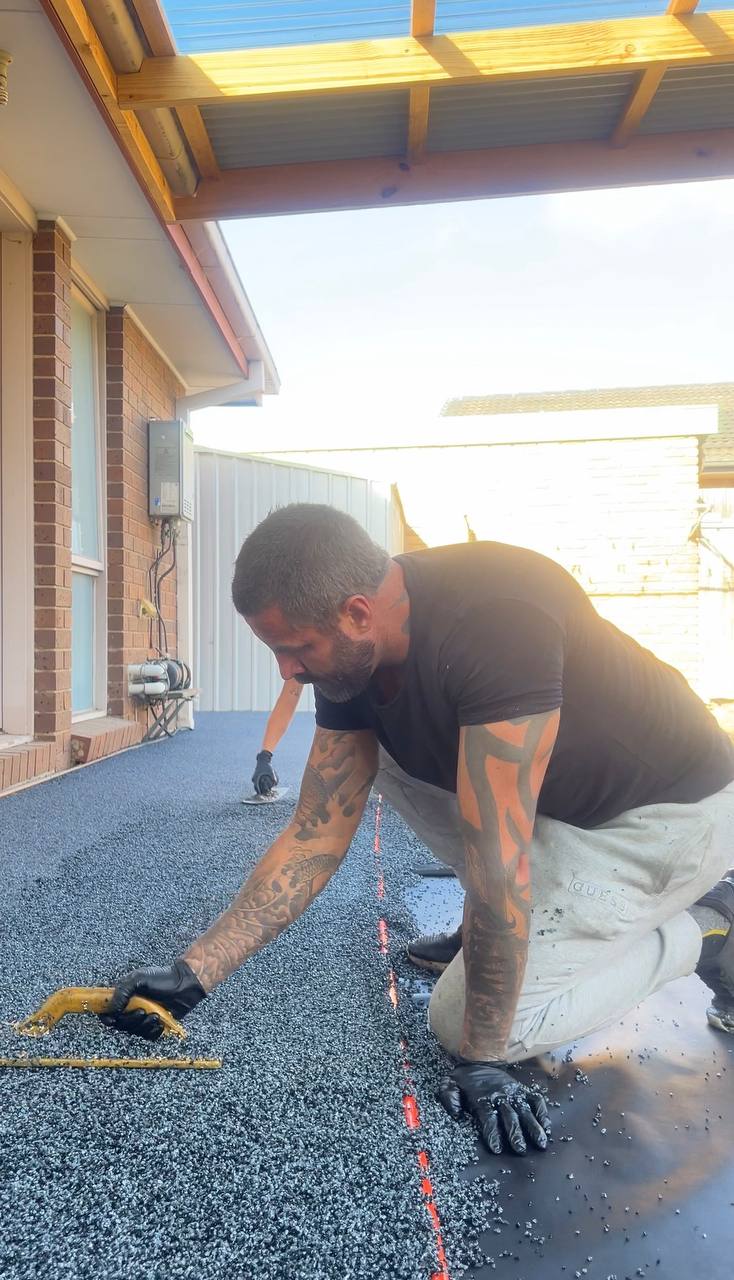
Written by Mitchell, Founder of Rubber Floor Solutions
Mitchell has 10+ years hands-on experience installing wetpour rubber flooring across Victoria. Installations for playgrounds, gyms, pools and equine facilities, with playground depth matched to fall height. Based in Melbourne, servicing all of Victoria.