When selecting rubber flooring for your home, playground, or commercial space, you'll quickly encounter two popular options: SBR (Styrene-Butadiene Rubber) and EPDM (Ethylene Propylene Diene Monomer). Both materials offer excellent durability and versatility, but they have distinct characteristics that make each suited to different applications. Understanding these differences is crucial for making the right choice for your Melbourne project.
What Is SBR Rubber?
SBR is a synthetic rubber compound made from styrene and butadiene. It's one of the most commonly used rubber materials in flooring applications, particularly for indoor environments and areas with limited sun exposure. SBR is often recycled from used tyres, making it an environmentally conscious choice that diverts waste from landfills.
Key Characteristics of SBR:
- Cost-effective: Generally 20-30% less expensive than EPDM
- Excellent abrasion resistance: Highly durable for high-traffic areas
- Good shock absorption: Ideal for gym flooring and weight rooms
- Limited UV resistance: Best suited for indoor or covered applications
- Black colour: Typically available only in black or dark grey
What Is EPDM Rubber?
EPDM is a premium synthetic rubber known for its superior weather resistance and colour stability. It's manufactured specifically for outdoor applications and is the material of choice for playground surfacing that meets Australian Standard AS 4422.
Key Characteristics of EPDM:
- Exceptional UV resistance: Won't degrade or fade in harsh Australian sunlight
- Weather resistant: Withstands Melbourne's variable climate, from scorching summers to wet winters
- Vibrant colour options: Available in red, blue, green, terracotta, and more
- Superior longevity: Maintains integrity for 15-20+ years outdoors
- Non-toxic: Safe for children's play areas and sensitive environments
SBR vs EPDM: Direct Comparison
UV and Weather Resistance
This is the most significant difference between the two materials. EPDM excels in outdoor environments, maintaining its structural integrity and appearance even under intense UV exposure. Melbourne's climate can be particularly harsh, with hot summer days exceeding 35°C and sudden weather changes. EPDM handles these conditions without cracking, fading, or becoming brittle.
SBR, conversely, will degrade when exposed to prolonged sunlight. It can become hard, crack, and lose its shock-absorbing properties. If you're installing flooring in an uncovered outdoor area, EPDM is the clear winner.
Cost Considerations
SBR is the more budget-friendly option, making it attractive for large indoor installations like gyms, warehouses, and garage floors. For a typical 50-square-metre gym floor, you might save $500-$1,000 by choosing SBR over EPDM.
However, consider the long-term value. If SBR is installed outdoors and needs replacement within 3-5 years due to UV damage, the initial savings disappear. EPDM's higher upfront cost is offset by its 15-20 year lifespan in outdoor applications.
Aesthetic Options
EPDM offers significant design flexibility with its range of vibrant, permanent colours. This makes it ideal for playgrounds, childcare centres, and public spaces where colour-coding or visual appeal matters. You can create custom patterns, incorporate logos, or design colourful play zones.
SBR is limited to black or dark grey tones. While this works perfectly for gyms and industrial spaces, it's not suitable for projects requiring colour variety.
Performance and Durability
Both materials offer excellent shock absorption and slip resistance. SBR actually has slightly better abrasion resistance, making it ideal for heavy weight-dropping in gyms or high-traffic industrial areas.
EPDM provides consistent performance across a wider temperature range and won't become slippery when wet, which is crucial for Australian playgrounds that must comply with AS 4422 safety standards.
Best Applications for Each Material
Choose SBR For:
- Indoor gym and fitness centre flooring
- Garage and workshop floors
- Warehouse and industrial spaces
- Underlay beneath artificial turf or other flooring
- Covered outdoor areas with no direct sun exposure
- Budget-conscious projects where colour isn't important
Choose EPDM For:
- Outdoor playground surfacing (AS 4422 compliant)
- Childcare centre play areas
- Pool surrounds and wet areas
- Outdoor fitness areas and running tracks
- Balconies and rooftop terraces
- Any application requiring colour or UV resistance
Melbourne-Specific Considerations
Melbourne's "four seasons in one day" climate presents unique challenges for outdoor flooring. The combination of intense UV radiation during summer, heavy rainfall, and temperature fluctuations demands materials that can handle extremes.
For outdoor installations in Melbourne, EPDM is strongly recommended. Its weather resistance ensures your investment remains safe and attractive throughout our unpredictable climate. Many local councils and schools specify EPDM for playground surfacing to ensure compliance with Australian safety standards.
For indoor applications, SBR performs excellently and offers better value. Melbourne's numerous gyms, warehouses, and commercial spaces benefit from SBR's durability and cost-effectiveness.
Making Your Decision
The choice between SBR and EPDM ultimately depends on your specific application:
If your project is outdoors or receives direct sunlight: Choose EPDM. The higher initial cost is justified by its longevity and performance.
If your project is indoors or fully covered: SBR offers excellent value and performance without the premium price tag.
If you need colour options: EPDM is your only choice for vibrant, lasting colours.
If you're working with a tight budget for an indoor space: SBR delivers professional results at a lower cost.
Professional Installation Matters
Regardless of which material you choose, proper installation is crucial for performance and longevity. Both SBR and EPDM require correct substrate preparation, appropriate adhesives, and professional installation techniques to meet Australian standards.
At Rubber Floor Solutions, we help Melbourne clients select the right material for their specific needs and ensure expert installation that maximises your flooring investment. Whether you need UV-resistant EPDM for a playground or cost-effective SBR for a gym, we'll guide you through the decision and deliver quality results.
Contact us today for a free consultation and quote on your rubber flooring project. We'll assess your requirements, recommend the best material, and provide a solution that meets both your needs and budget.
References & Standards
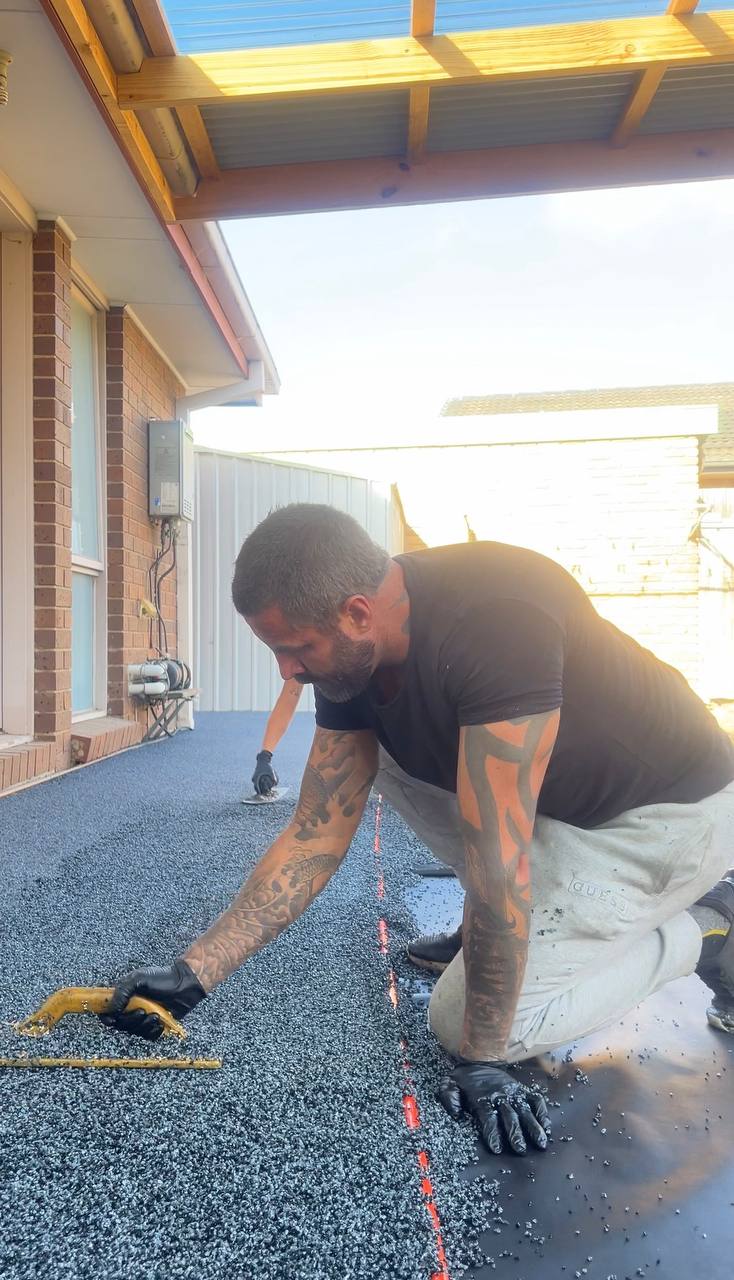
Written by Mitchell, Founder of Rubber Floor Solutions
Mitchell has 10+ years hands-on experience installing wetpour rubber flooring across Victoria. Installations for playgrounds, gyms, pools and equine facilities, with playground depth matched to fall height. Based in Melbourne, servicing all of Victoria.