When choosing rubber flooring for your Melbourne project, you'll likely encounter two popular options: SBR (Styrene-Butadiene Rubber) and EPDM (Ethylene Propylene Diene Monomer). Understanding the differences between these materials is crucial for making the right investment. Let's break down everything you need to know.
What is SBR Rubber?
SBR is a synthetic rubber commonly made from recycled tyres. It's one of the most cost-effective rubber flooring options available and has been the industry standard for decades. The black granules you see in many playgrounds and gym floors are typically SBR rubber.
SBR Advantages:
- Cost-effective: Generally 20-30% cheaper than EPDM
- Excellent durability: Highly resistant to wear and tear
- Superior shock absorption: Ideal for high-impact areas
- Environmentally friendly: Made from recycled materials
- Easy maintenance: Simple to clean and repair
SBR Disadvantages:
- Colour limitations: Primarily available in black
- UV sensitivity: Can fade and harden over time with sun exposure
- Heat retention: Black surfaces absorb heat, becoming hot in summer
- Aesthetic appeal: Less visually appealing than coloured options
What is EPDM Rubber?
EPDM is a synthetic rubber made from virgin materials, available in a vibrant range of colours. It's the premium choice for projects where aesthetics and longevity are priorities, particularly in Australian conditions where UV resistance is essential.
EPDM Advantages:
- UV resistant: Maintains colour and integrity under harsh Australian sun
- Wide colour range: Available in red, blue, green, terracotta, and more
- Temperature stable: Stays cooler in summer heat
- Long lifespan: Can last 15-20 years with proper maintenance
- Weather resistant: Performs excellently in Melbourne's variable climate
- Non-toxic: Safe for children's play areas
EPDM Disadvantages:
- Higher cost: Premium pricing compared to SBR
- Installation complexity: Requires experienced installers for colour work
- Slightly less shock absorption: Though still meets AS 4422 standards
SBR vs EPDM: Key Comparisons
Performance in Australian Conditions
Melbourne's climate presents unique challenges with intense UV radiation, temperature fluctuations, and occasional heavy rain. EPDM significantly outperforms SBR in UV resistance, making it ideal for exposed outdoor applications. During Melbourne's hot summers, EPDM surfaces remain up to 20°C cooler than black SBR, reducing burn risk for bare feet.
Compliance with Australian Standards
Both materials can meet AS 4422 requirements for playground surfacing when installed correctly at appropriate depths. However, EPDM's superior UV stability means it maintains its safety characteristics longer, reducing the frequency of critical fall height testing.
Cost Considerations
While SBR offers lower upfront costs, consider the total cost of ownership. EPDM's extended lifespan and minimal maintenance requirements often make it more economical over 15-20 years. For a typical 100m² playground, expect to pay $6,000-$8,000 for SBR versus $9,000-$12,000 for EPDM.
Aesthetic Value
EPDM wins hands-down for visual appeal. The ability to create colourful patterns, logos, and designs makes it popular for schools, childcare centres, and commercial properties where appearance matters. SBR's utilitarian black appearance suits industrial gyms and budget-conscious projects.
Which Should You Choose?
Choose SBR if:
- Budget is your primary concern
- The area receives minimal direct sunlight
- Aesthetics aren't a priority (industrial gyms, undercover areas)
- You need maximum shock absorption for heavy weights
- Environmental recycling is important to your project
Choose EPDM if:
- The surface will be exposed to Melbourne's intense sun
- You want vibrant colours and custom designs
- Longevity and low maintenance are priorities
- Surface temperature matters (barefoot areas, playgrounds)
- You're investing in a premium facility (schools, childcare centres)
Can You Mix SBR and EPDM?
Yes! Many Melbourne projects use a hybrid approach—SBR as a cost-effective base layer with EPDM as the colourful wear layer. This provides excellent value while maintaining aesthetic appeal and UV resistance where it matters most.
Making Your Decision
The choice between SBR and EPDM ultimately depends on your specific requirements, budget, and priorities. For most outdoor applications in Melbourne, EPDM's superior UV resistance and temperature management make it the better long-term investment. However, SBR remains an excellent choice for covered areas, budget-conscious projects, and applications where colour isn't important.
At Rubber Floor Solutions, we've installed both materials across hundreds of Melbourne projects. We can assess your specific needs, site conditions, and budget to recommend the optimal solution. Whether you choose SBR, EPDM, or a hybrid approach, proper installation by experienced professionals ensures you'll get maximum value and performance from your rubber flooring investment.
Need help deciding? Contact our team for a free site assessment and personalised recommendation based on your project requirements.
References & Standards
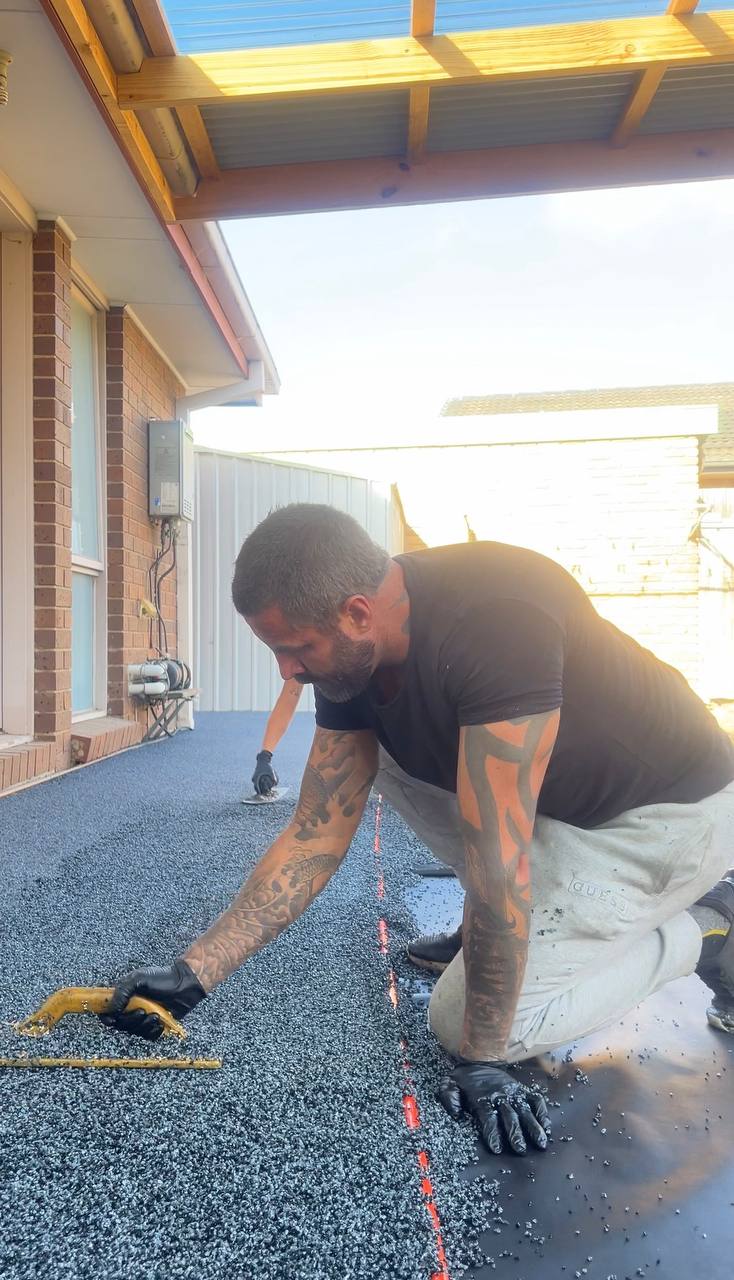
Written by Mitchell, Founder of Rubber Floor Solutions
Mitchell has 10+ years hands-on experience installing wetpour rubber flooring across Victoria. Installations for playgrounds, gyms, pools and equine facilities, with playground depth matched to fall height. Based in Melbourne, servicing all of Victoria.