When selecting rubber flooring for your Melbourne property, you'll likely encounter two popular options: SBR (Styrene-Butadiene Rubber) and EPDM (Ethylene Propylene Diene Monomer). Both materials have distinct characteristics that make them suitable for different applications. Understanding these differences will help you make an informed decision for your project.
What Is SBR Rubber?
SBR is a synthetic rubber made from styrene and butadiene. It's one of the most commonly used rubber materials in flooring applications, particularly for indoor environments and areas with limited UV exposure.
Key Characteristics of SBR:
- Excellent abrasion resistance
- Good tensile strength
- Cost-effective manufacturing
- Moderate weather resistance
- Typically black in colour (due to carbon black content)
What Is EPDM Rubber?
EPDM is a synthetic rubber known for its exceptional weather resistance and durability. It's the premium choice for outdoor applications and environments requiring long-term UV stability.
Key Characteristics of EPDM:
- Superior UV and ozone resistance
- Excellent weather durability
- Available in multiple colours
- Outstanding heat resistance
- Longer lifespan in outdoor conditions
SBR vs EPDM: Direct Comparison
Weather Resistance
Winner: EPDM
Melbourne's variable weather conditions—from scorching summer heat to wet winters—demand durable materials. EPDM significantly outperforms SBR in outdoor environments. While SBR can degrade and fade when exposed to prolonged UV radiation, EPDM maintains its integrity and colour for years, even under Australia's harsh sun.
Cost Considerations
Winner: SBR
SBR is generally 20-30% less expensive than EPDM, making it an attractive option for budget-conscious projects. If you're covering a large indoor area like a gym or warehouse, SBR can deliver excellent performance at a lower price point.
Colour Options
Winner: EPDM
EPDM rubber can be manufactured in virtually any colour without compromising its UV resistance. This makes it ideal for playgrounds, outdoor fitness areas, and decorative applications. SBR is typically limited to black or dark colours, though coloured EPDM granules can be added to the surface layer.
Durability and Lifespan
Winner: EPDM (outdoors), SBR (indoors)
For outdoor applications, EPDM can last 15-20 years with proper maintenance, while SBR may only last 5-10 years before showing significant wear. However, in protected indoor environments, both materials perform admirably, with SBR offering excellent value for money.
Temperature Resistance
Winner: EPDM
EPDM handles temperature extremes better than SBR. In Melbourne's hot summers, where surface temperatures can exceed 60°C, EPDM remains stable and doesn't become brittle in winter cold. SBR can become harder in cold conditions and may soften excessively in extreme heat.
Best Applications for Each Material
Choose SBR For:
- Indoor gym flooring
- Warehouse and industrial floors
- Underlay applications
- Garage flooring
- Budget-conscious projects with limited UV exposure
Choose EPDM For:
- Outdoor playgrounds (meeting AS 4422 standards)
- Pool surrounds and wet areas
- Rooftop terraces
- Outdoor fitness areas
- Colourful, decorative applications
- Any project requiring long-term UV stability
Australian Standards and Compliance
For playground installations in Melbourne, AS 4422 (Playground Surfacing) specifies performance requirements for impact-absorbing surfaces. Both SBR and EPDM can meet these standards when properly installed, but EPDM's superior weather resistance makes it the preferred choice for outdoor playground compliance that will last.
Hybrid Solutions: Getting the Best of Both
Many modern rubber flooring systems use a hybrid approach—an SBR base layer for cost-effectiveness and structural support, topped with an EPDM wear layer for UV protection and colour. This combination delivers excellent performance at a moderate price point, making it popular for outdoor sports courts and play areas.
Making Your Decision
The choice between SBR and EPDM ultimately depends on your specific requirements:
Budget is primary concern + indoor installation = SBR
Outdoor installation + longevity required = EPDM
Colour options needed = EPDM
Maximum cost-effectiveness indoors = SBR
Professional Installation Matters
Regardless of which material you choose, professional installation is crucial for performance and longevity. Proper surface preparation, correct adhesive selection, and appropriate thickness for the intended use all impact the final result. In Melbourne's climate, proper drainage and substrate preparation are especially important for outdoor EPDM installations.
Both SBR and EPDM rubber have earned their place in the flooring industry. By understanding their distinct properties and matching them to your project's specific needs, you'll ensure a successful installation that delivers years of reliable performance.
Need expert advice on which rubber flooring material is right for your Melbourne project? Contact Rubber Floor Solutions for a consultation and quote tailored to your specific requirements.
References & Standards
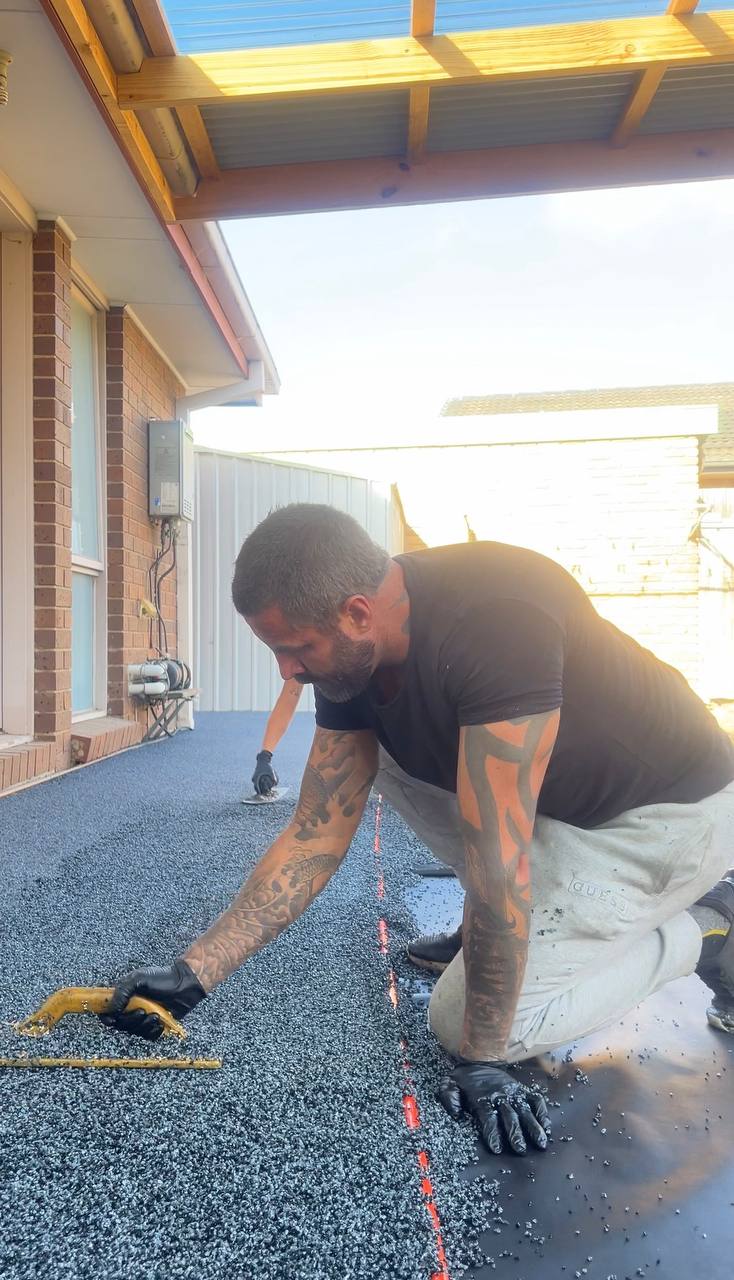
Written by Mitchell, Founder of Rubber Floor Solutions
Mitchell has 10+ years hands-on experience installing wetpour rubber flooring across Victoria. Installations for playgrounds, gyms, pools and equine facilities, with playground depth matched to fall height. Based in Melbourne, servicing all of Victoria.