When selecting rubber flooring for your Melbourne project, you'll likely encounter two popular options: SBR (Styrene-Butadiene Rubber) and EPDM (Ethylene Propylene Diene Monomer). Understanding the differences between these materials is crucial for making the right choice for your specific needs and budget.
What Is SBR Rubber?
SBR is a synthetic rubber compound made from styrene and butadiene. It's one of the most widely used rubber materials globally, particularly valued for its cost-effectiveness and excellent abrasion resistance. SBR is commonly found in vehicle tyres, conveyor belts, and increasingly in rubber flooring applications.
Key Characteristics of SBR:
- Excellent abrasion and wear resistance
- Good tensile strength
- Cost-effective compared to EPDM
- Limited UV and ozone resistance
- Typically black or dark colours
- Performs well in indoor applications
What Is EPDM Rubber?
EPDM is a premium synthetic rubber known for its exceptional weather resistance and colour stability. Made from ethylene, propylene, and a diene monomer, EPDM has become the gold standard for outdoor rubber flooring applications, particularly in playground surfacing that meets AS 4422 standards.
Key Characteristics of EPDM:
- Superior UV and ozone resistance
- Excellent weather resistance
- Available in vibrant, long-lasting colours
- Maintains flexibility in extreme temperatures
- Higher cost than SBR
- Ideal for outdoor applications
Direct Comparison: SBR vs EPDM
UV and Weather Resistance
Winner: EPDM
Melbourne's harsh UV conditions demand materials that can withstand intense sun exposure. EPDM significantly outperforms SBR in this category. While SBR will degrade, fade, and become brittle when exposed to prolonged sunlight, EPDM maintains its integrity and appearance for years. For outdoor applications in Australian conditions, EPDM is the clear choice.
Durability and Wear Resistance
Winner: SBR (for abrasion)
SBR excels in high-traffic areas where abrasion resistance is paramount. It's harder and more resistant to wear from foot traffic, making it ideal for indoor gyms, commercial spaces, and industrial settings. EPDM, while durable, is slightly softer and may show wear patterns more quickly in extremely high-traffic indoor environments.
Colour Options
Winner: EPDM
If aesthetics matter for your project, EPDM is unmatched. It's available in virtually any colour and maintains that colour throughout the material's lifespan. SBR is typically limited to black or very dark colours, as lighter pigments would quickly fade when exposed to UV light.
Cost
Winner: SBR
SBR is generally 20-40% less expensive than EPDM, making it an attractive option for budget-conscious projects, particularly indoor applications where UV resistance isn't required. For large commercial installations indoors, SBR can deliver significant cost savings without compromising performance.
Temperature Performance
Winner: EPDM
EPDM maintains its flexibility across a wider temperature range, from Melbourne's cold winter mornings to scorching summer days. It remains pliable in temperatures as low as -40°C and as high as 130°C. SBR can become brittle in extreme cold and may harden in intense heat.
Best Applications for Each Material
Choose SBR For:
- Indoor gym and fitness facilities
- Commercial and industrial flooring
- Underlay and acoustic applications
- Budget-conscious projects
- High-traffic indoor areas
- Workshops and garages
Choose EPDM For:
- Outdoor playgrounds (AS 4422 compliant)
- Pool surrounds and wet areas
- Outdoor fitness areas and running tracks
- Projects requiring specific colours
- Rooftop applications
- Any outdoor Melbourne installation
Can You Mix SBR and EPDM?
Yes, many rubber flooring products contain a blend of both materials. These hybrid options aim to balance cost with performance, offering improved UV resistance compared to pure SBR while remaining more affordable than 100% EPDM. For semi-covered areas or applications with moderate sun exposure, a blended product might be the optimal solution.
Common Blend Ratios:
- 80% SBR / 20% EPDM: Budget-friendly with basic UV protection
- 50% SBR / 50% EPDM: Balanced performance for semi-outdoor areas
- 20% SBR / 80% EPDM: Premium outdoor performance at reduced cost
Making Your Decision
The choice between SBR and EPDM ultimately depends on your specific requirements:
Select EPDM if: Your installation is outdoors, you need specific colours, or you're installing playground surfacing that must meet Australian safety standards. The higher upfront cost is offset by superior longevity and minimal maintenance in Melbourne's variable weather conditions.
Select SBR if: Your project is indoors, budget is a primary concern, and you need maximum abrasion resistance. SBR delivers excellent value for gyms, commercial spaces, and industrial applications where UV exposure isn't a factor.
Installation Considerations for Melbourne
Regardless of which material you choose, proper installation is crucial for performance. Melbourne's clay soils and seasonal weather variations require adequate drainage and base preparation. Both SBR and EPDM can be installed as tiles, rolls, or wet-pour systems, though EPDM's wet-pour applications are particularly popular for seamless playground surfaces.
Ensure your installer is experienced with Australian conditions and familiar with AS 4422 requirements if you're installing playground surfacing. Proper substrate preparation, adequate fall height protection, and appropriate binding agents are essential for long-term performance.
Conclusion
Both SBR and EPDM have their place in rubber flooring applications. EPDM's superior weather resistance makes it the premium choice for outdoor Melbourne installations, while SBR offers excellent value for indoor applications. By understanding the strengths and limitations of each material, you can make an informed decision that balances performance, aesthetics, and budget for your specific project.
Need help choosing between SBR and EPDM for your Melbourne project? Contact Rubber Floor Solutions for expert advice tailored to your specific requirements and site conditions.
References & Standards
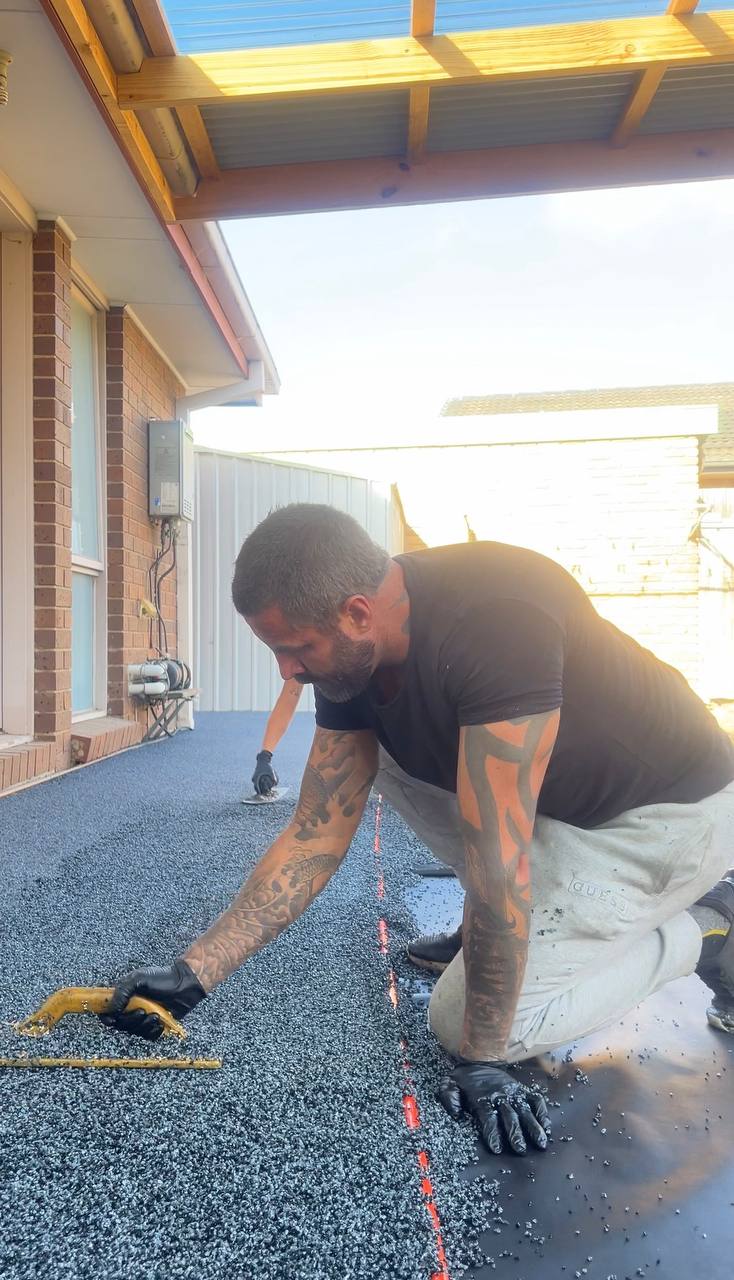
Written by Mitchell, Founder of Rubber Floor Solutions
Mitchell has 10+ years hands-on experience installing wetpour rubber flooring across Victoria. Installations for playgrounds, gyms, pools and equine facilities, with playground depth matched to fall height. Based in Melbourne, servicing all of Victoria.