Wet Pour Rubber vs Rubber Tiles: Complete Comparison
When installing rubber safety surfacing, you'll typically choose between wet pour (poured-in-place) rubber and pre-formed rubber tiles. Here's everything you need to know to make the right decision.
What is Wet Pour Rubber?
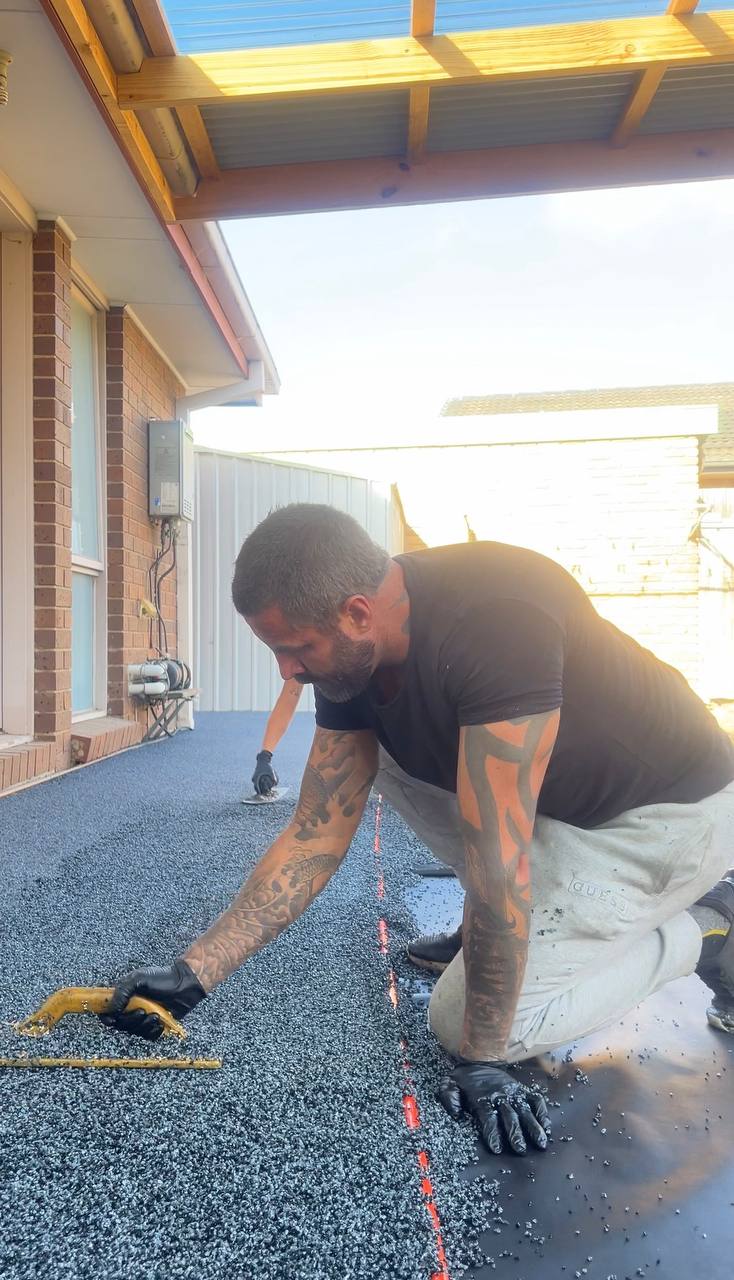
Wet pour rubber is a two-layer system installed on-site. A base layer of black SBR rubber provides shock absorption, while a wear layer of coloured EPDM or CSBR granules creates the finished surface. It's mixed with polyurethane binder and applied like concrete.
What are Rubber Tiles?
Rubber tiles are pre-manufactured interlocking squares (typically 500mm x 500mm) made from compressed rubber. They're installed by connecting tiles together over a prepared base.
Key Differences
Seamless vs Joints
Wet Pour: Creates a completely seamless surface with no joints where water, debris, or trip hazards can develop.
Tiles: Interlocking joints can separate over time, creating gaps where weeds grow and small items get lost.
Design Flexibility
Wet Pour: Unlimited design options including curved shapes, multiple colours, patterns, and graphics.
Tiles: Limited to square/rectangular patterns. Custom designs require cutting tiles.
Installation Time
Wet Pour: Requires 24-48 hours curing time after installation.
Tiles: Immediately usable after installation.
Durability
Wet Pour: Properly installed wet pour can last 15-20+ years with minimal maintenance.
Tiles: Typically 8-12 years before joint issues require replacement.
Repair
Wet Pour: Damaged sections can be cut out and seamlessly patched.
Tiles: Individual tiles can be replaced, but may not match existing colour/wear pattern.
When to Choose Wet Pour
- Playgrounds requiring AS 4422 certification
- Custom designs with curves or patterns
- High-traffic commercial areas
- Pool surrounds (better drainage)
- Long-term investment projects
When Tiles Might Work
- Temporary installations
- Indoor gym floors with light use
- DIY installations
- Limited budgets for small areas
Our Recommendation
For Australian conditions with UV exposure, temperature variations, and professional safety requirements, we recommend wet pour rubber for nearly all applications. The initial investment delivers significantly better long-term value.
References & Standards
Written by Mitchell, Founder of Rubber Floor Solutions
Mitchell has 10+ years hands-on experience installing wetpour rubber flooring across Victoria. AS 4422 compliant installations for playgrounds, gyms, pools and equine facilities. Based in Melbourne, servicing all of Victoria.